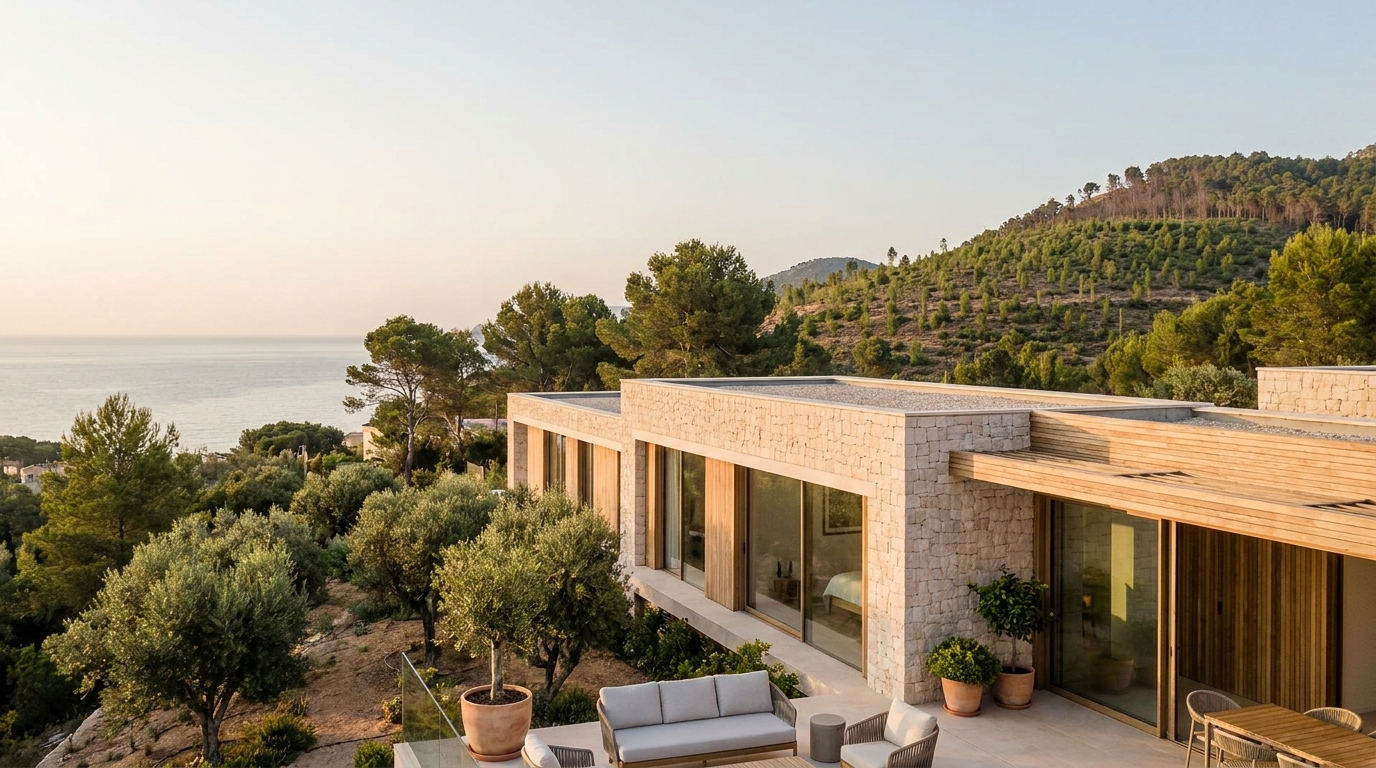

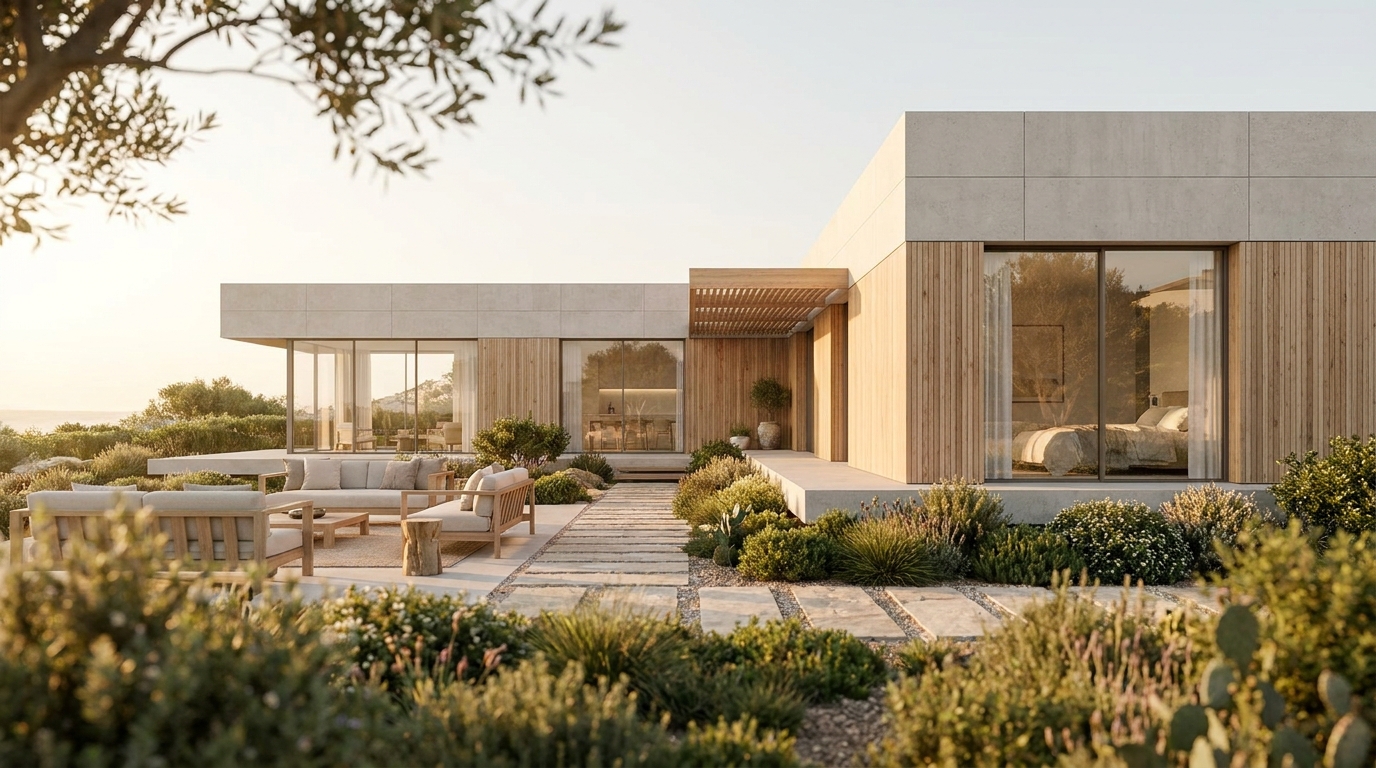
Passivhaus Industrialized Housing in Spain: The Next Decade
A data-driven look at why Passivhaus industrialized housing is poised to scale in Spain — practical design steps, real project metrics and financing strategies for autopromoters.
|
-
1min
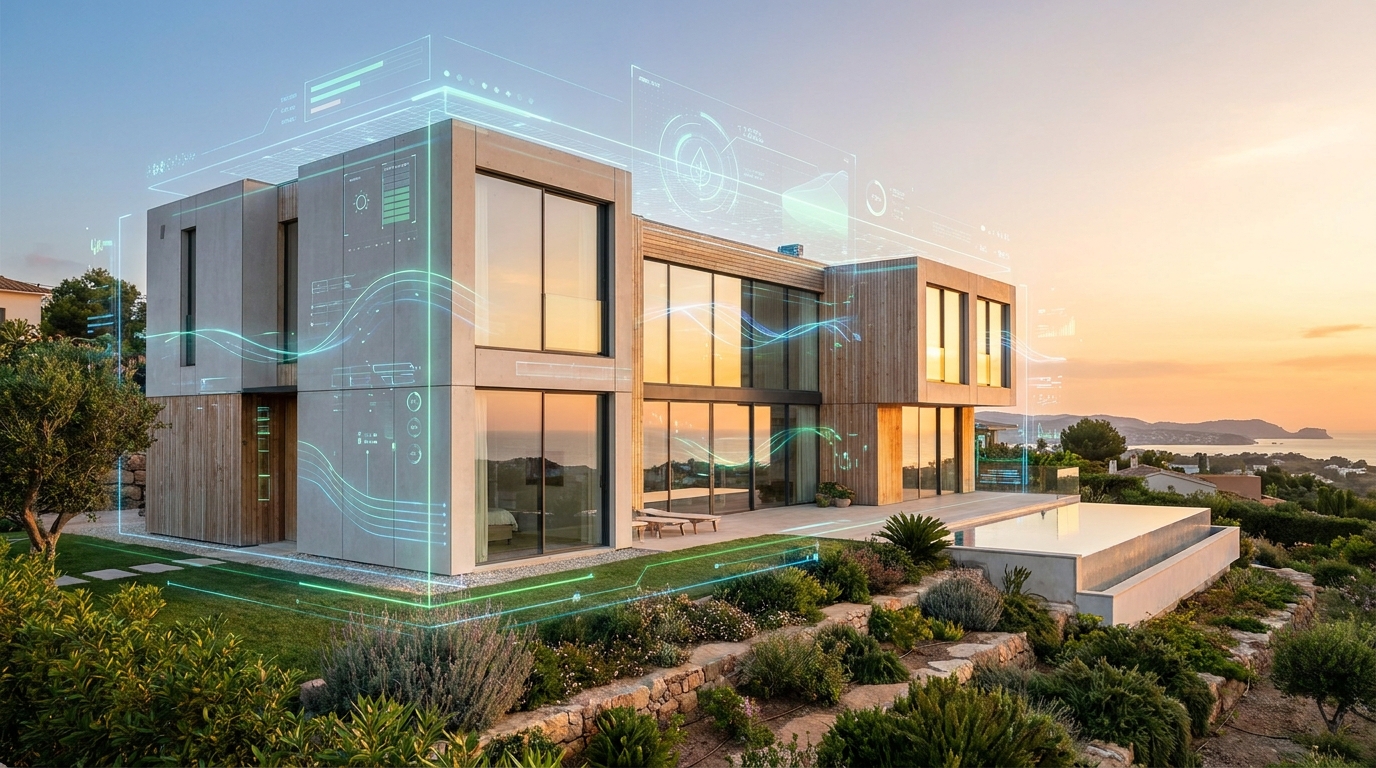
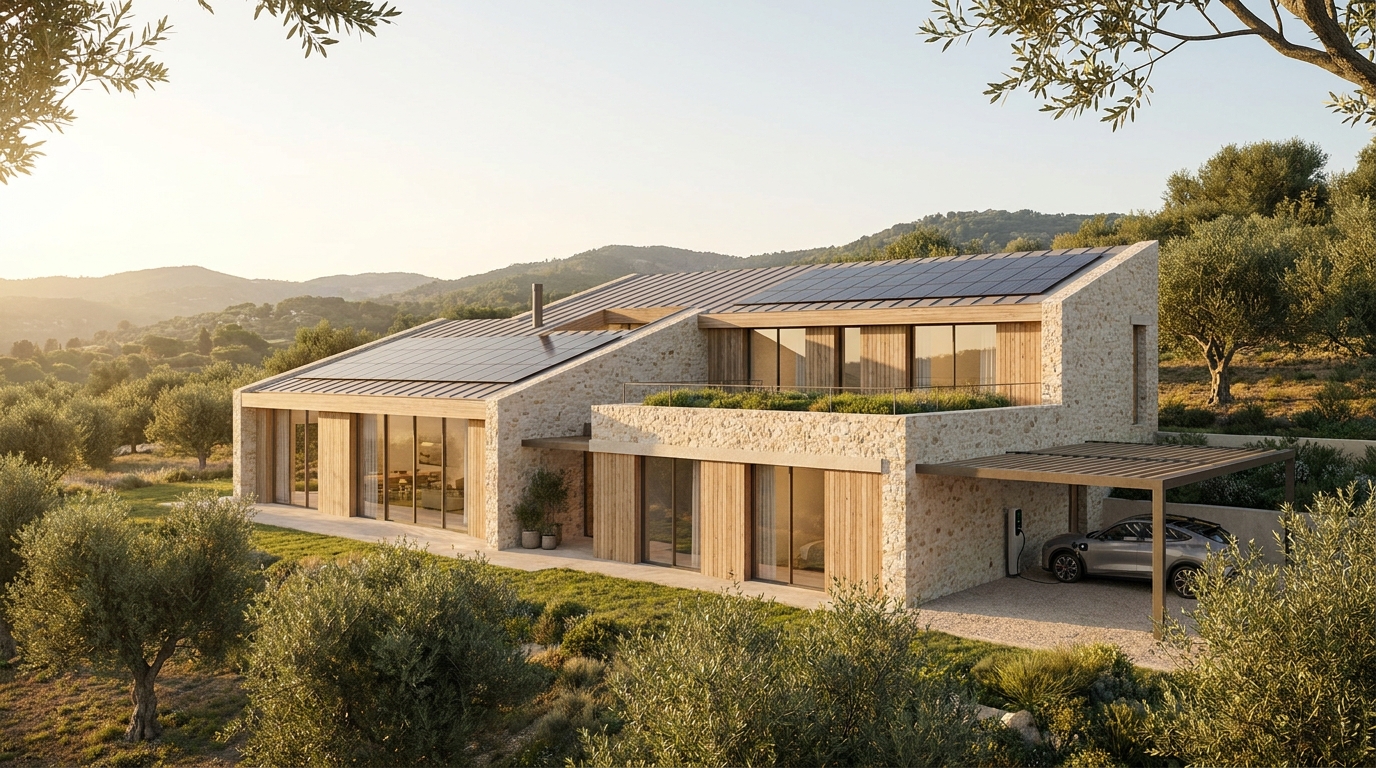
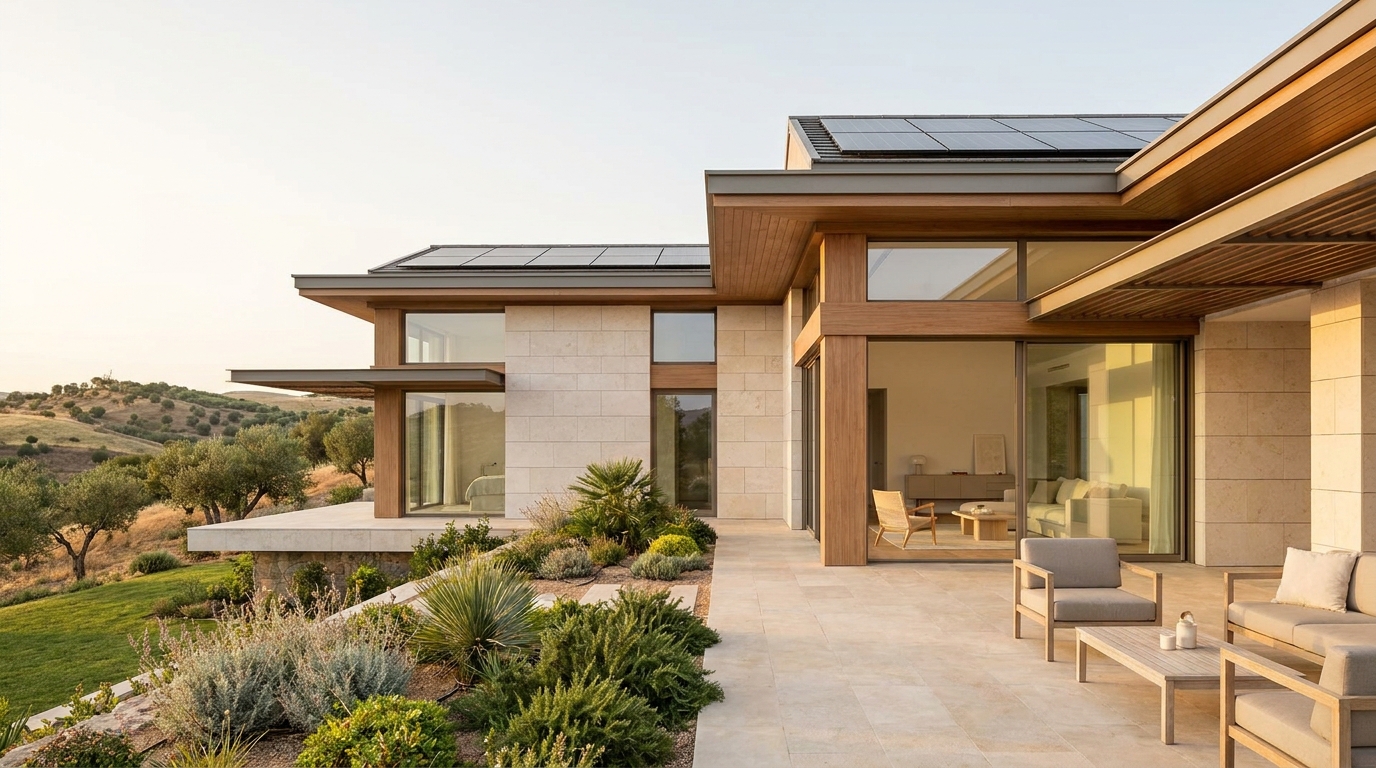
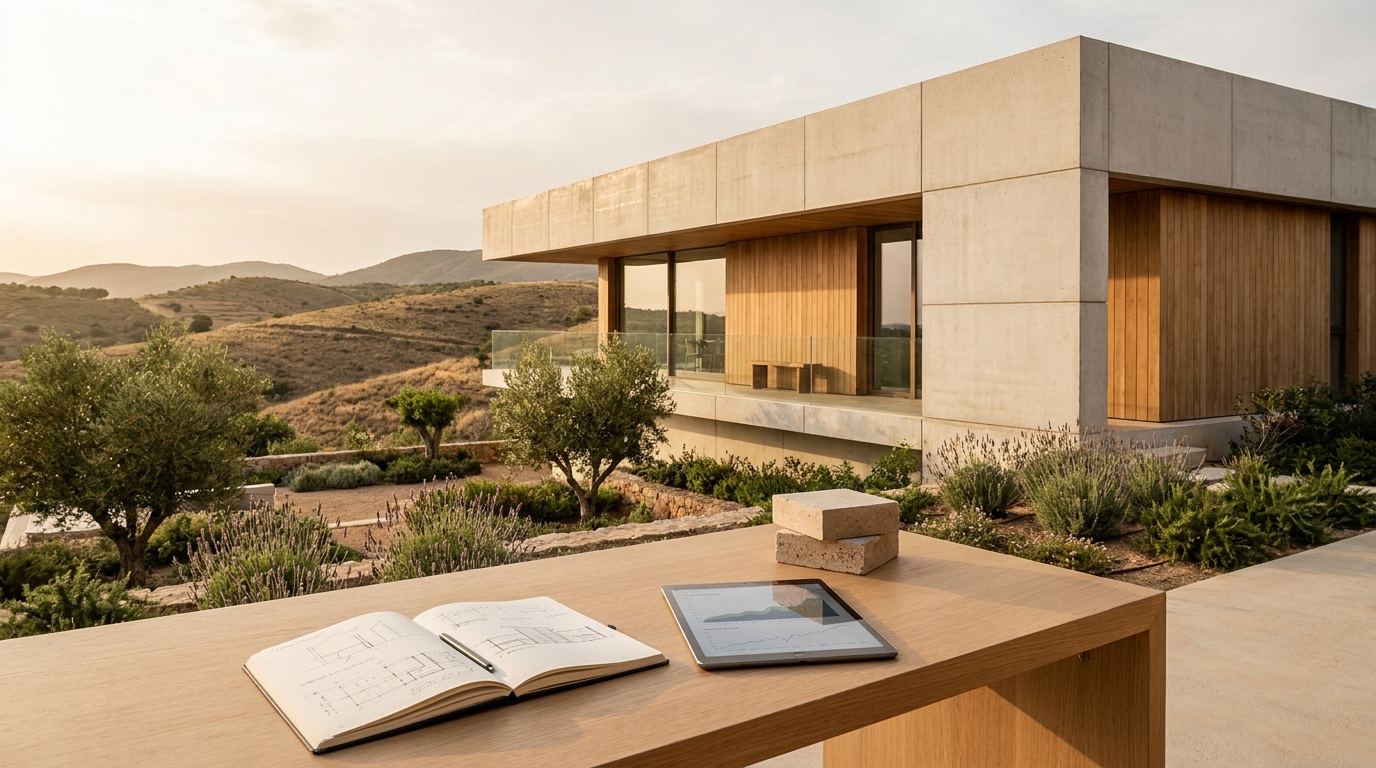
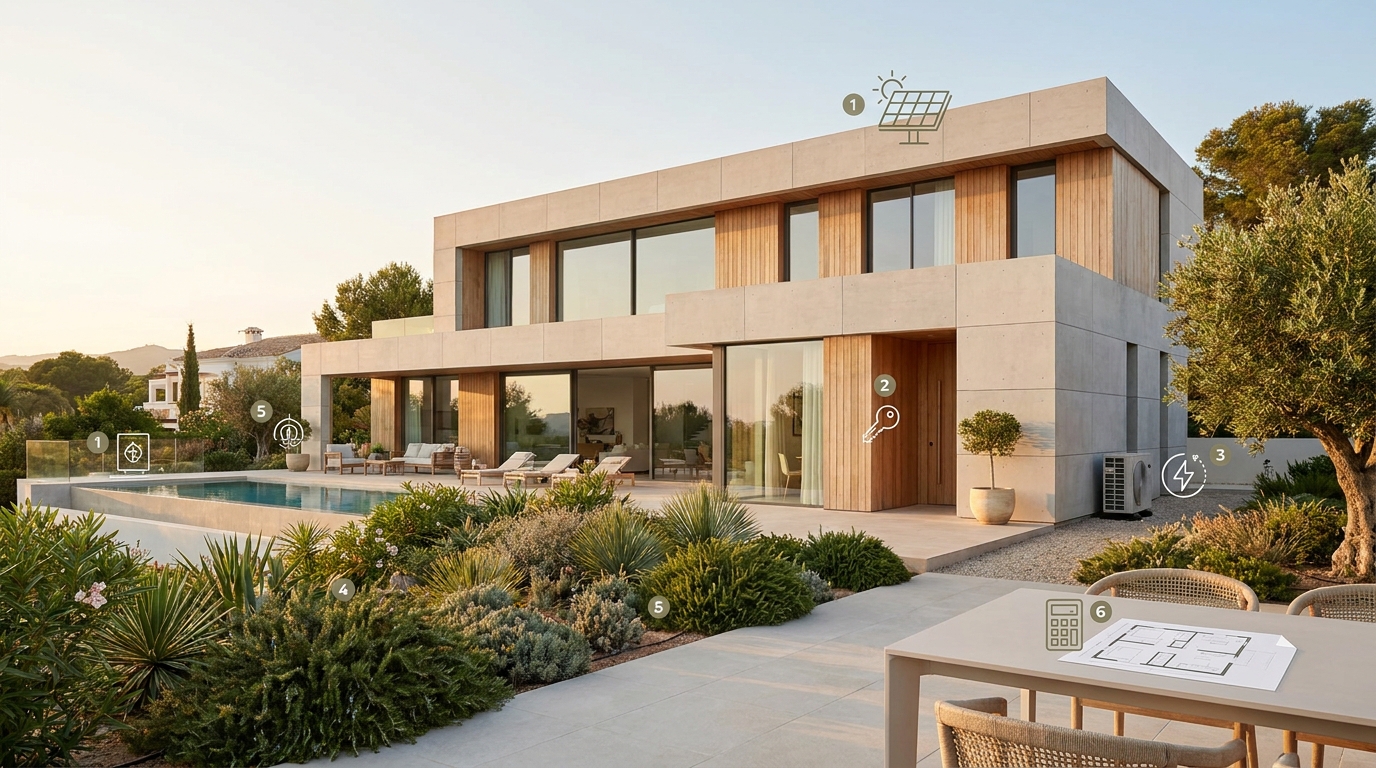
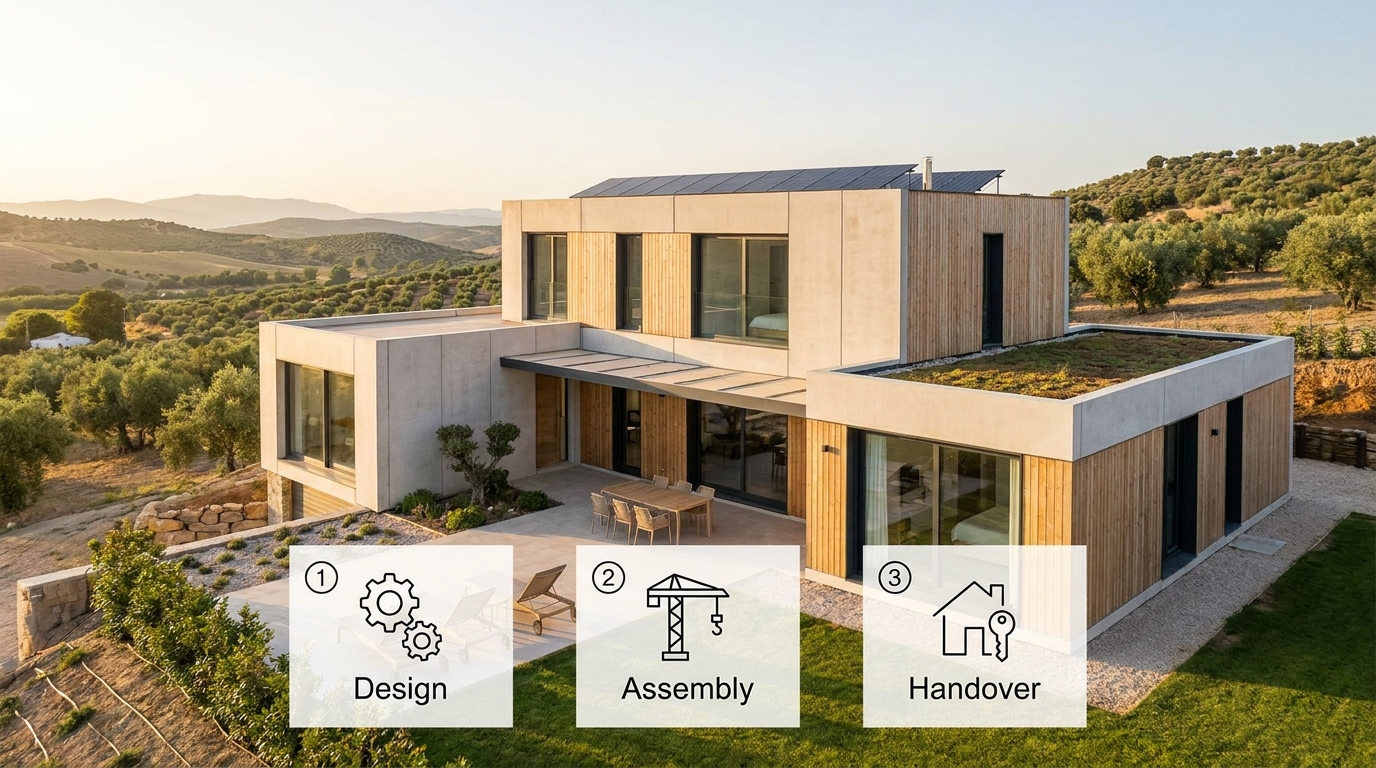
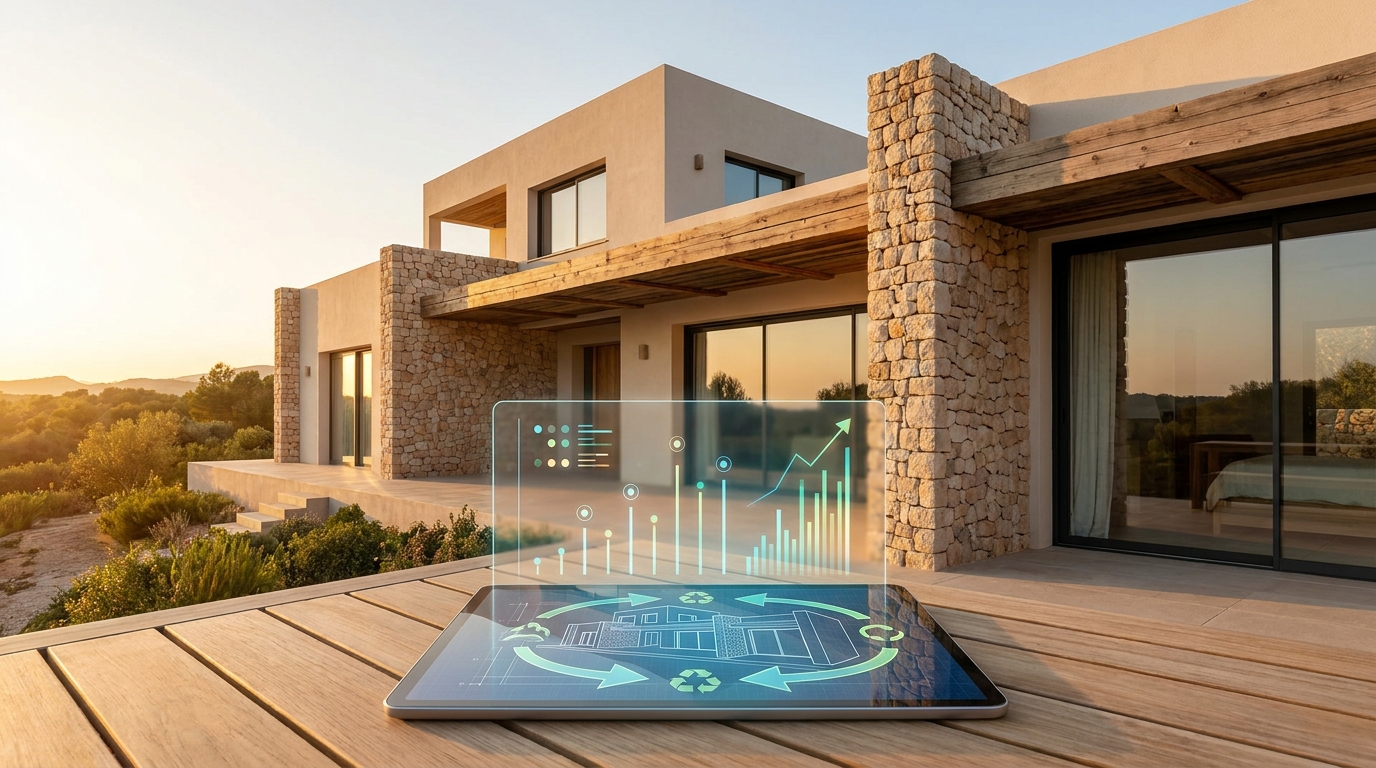
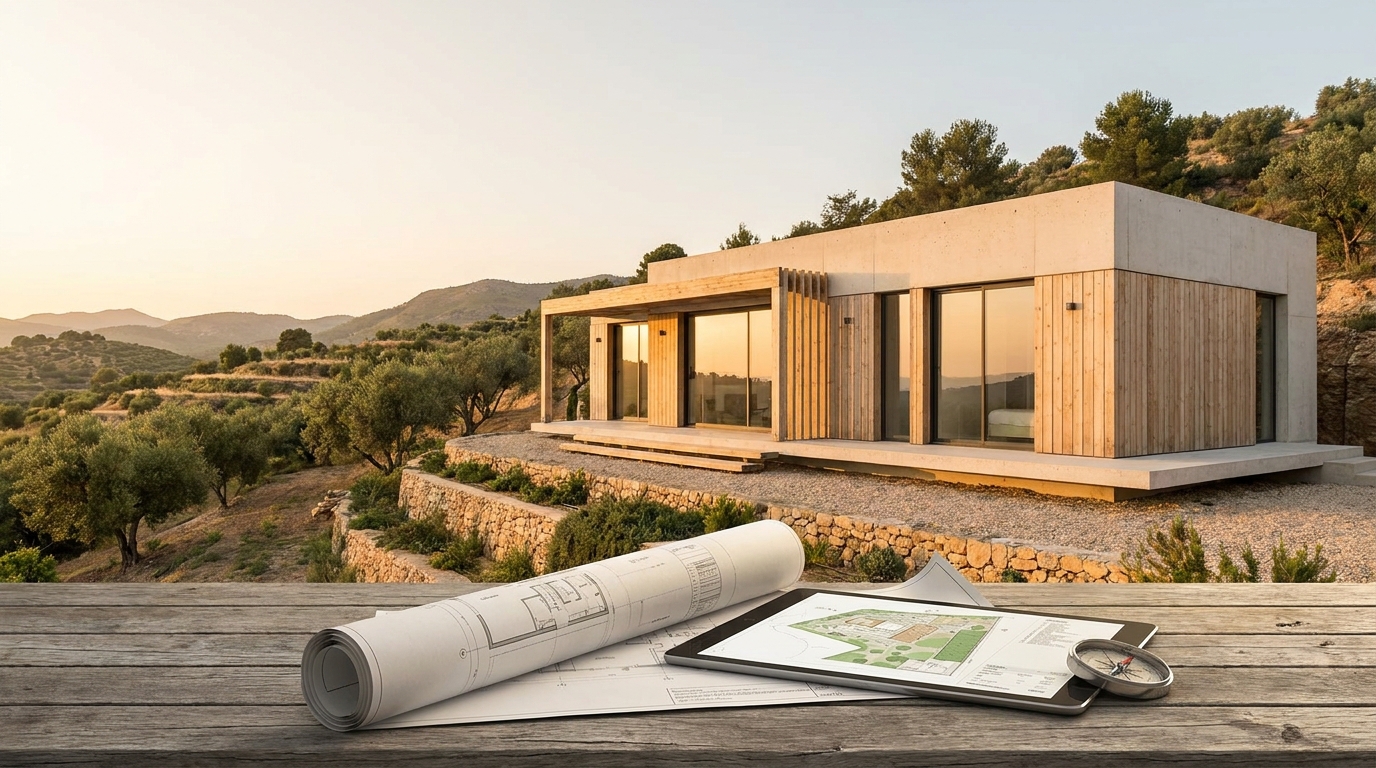
A focused, actionable guide that compares industrialized housing with traditional builds, shows real metrics for time and cost, evaluates modern materials and energy solutions, and maps a step-by-step turnkey process for self-builders in Spain.
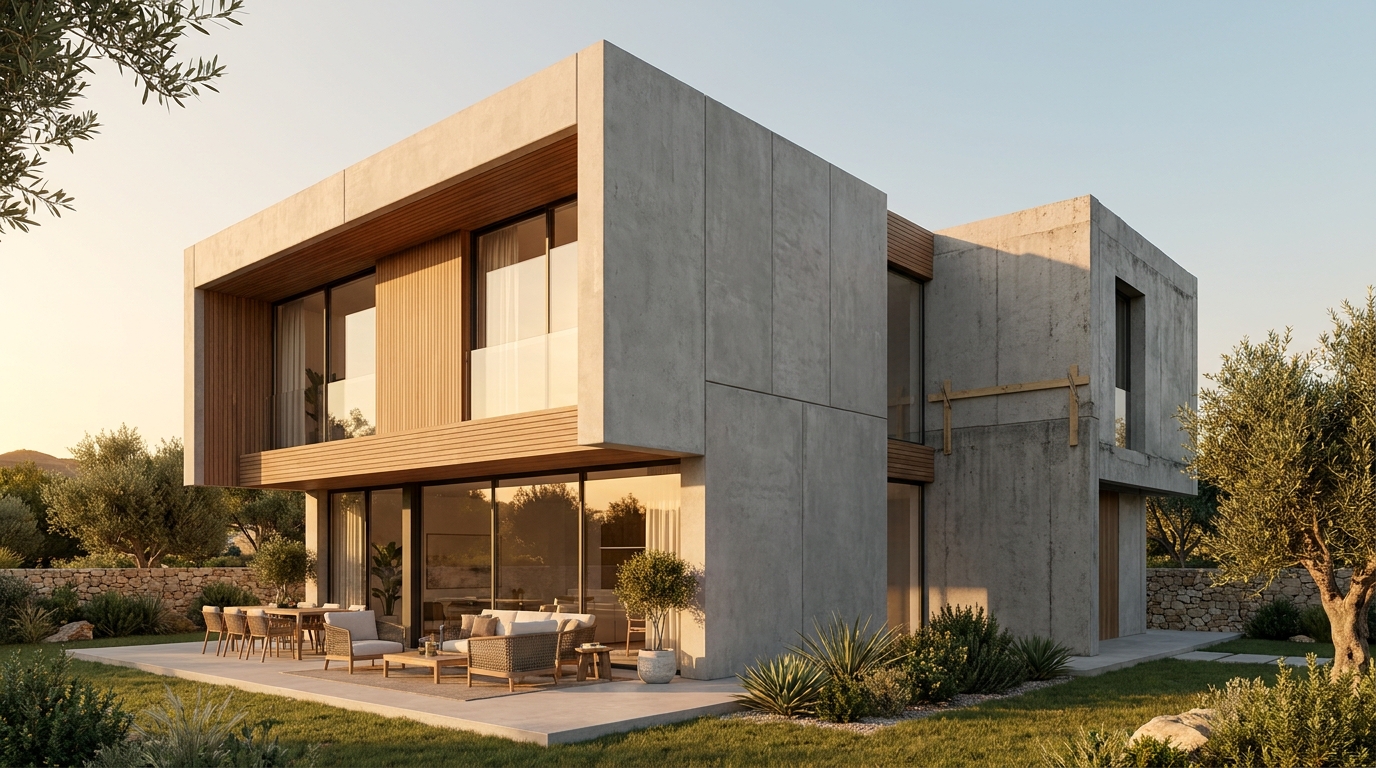
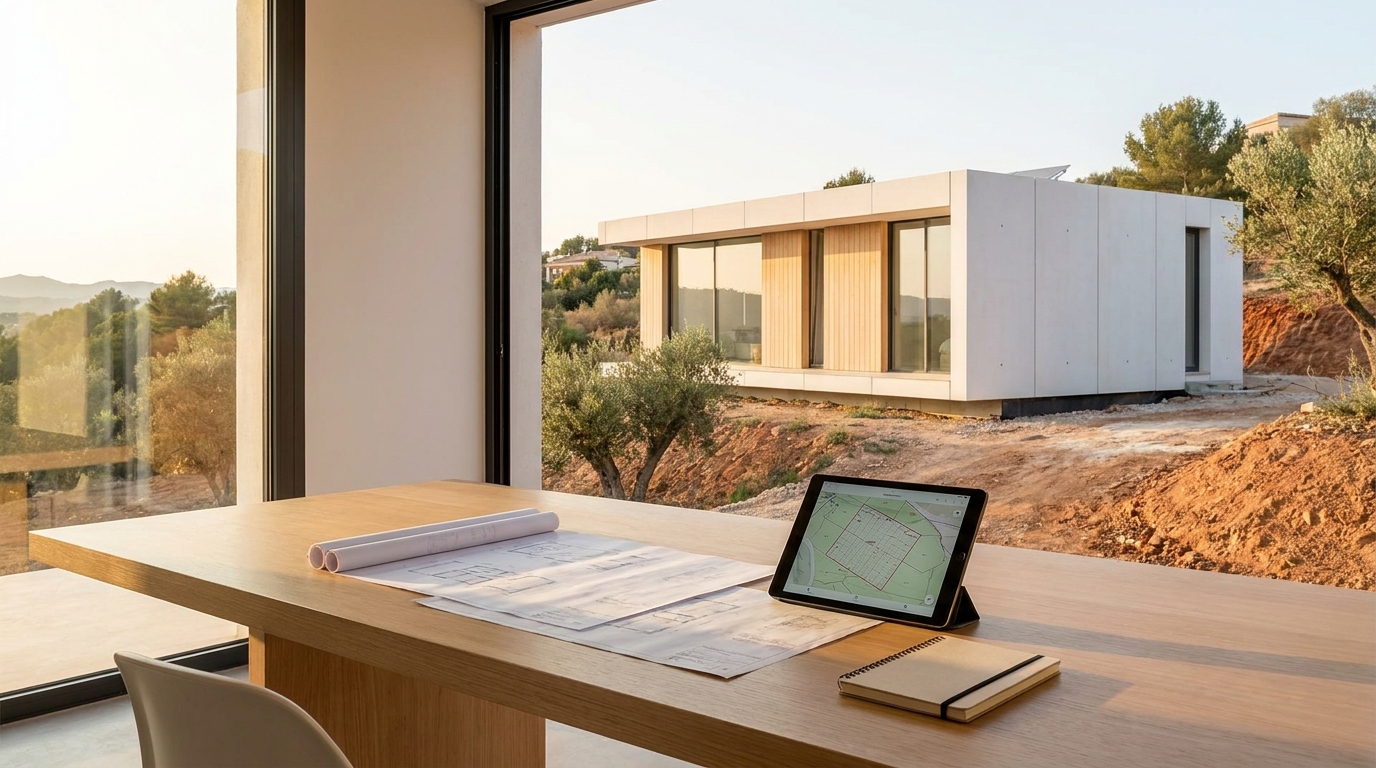
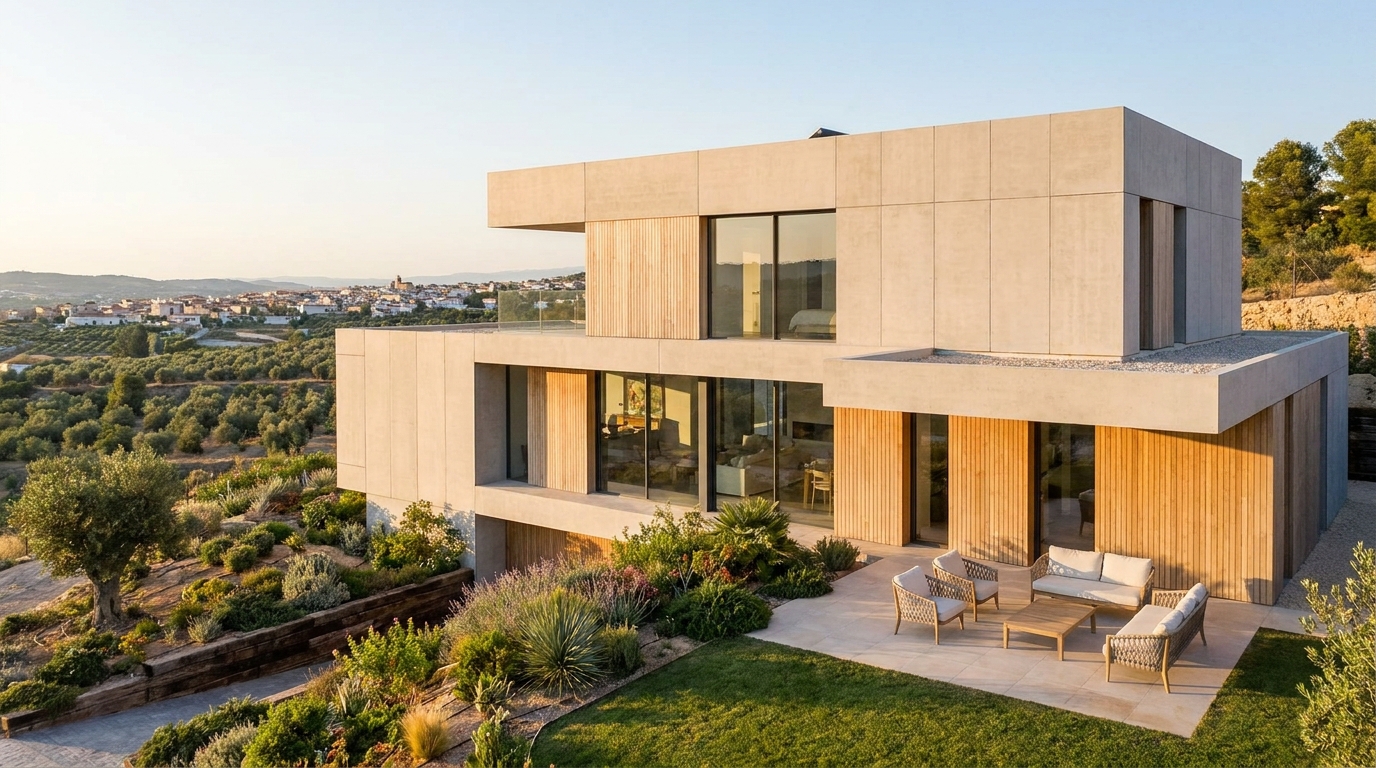
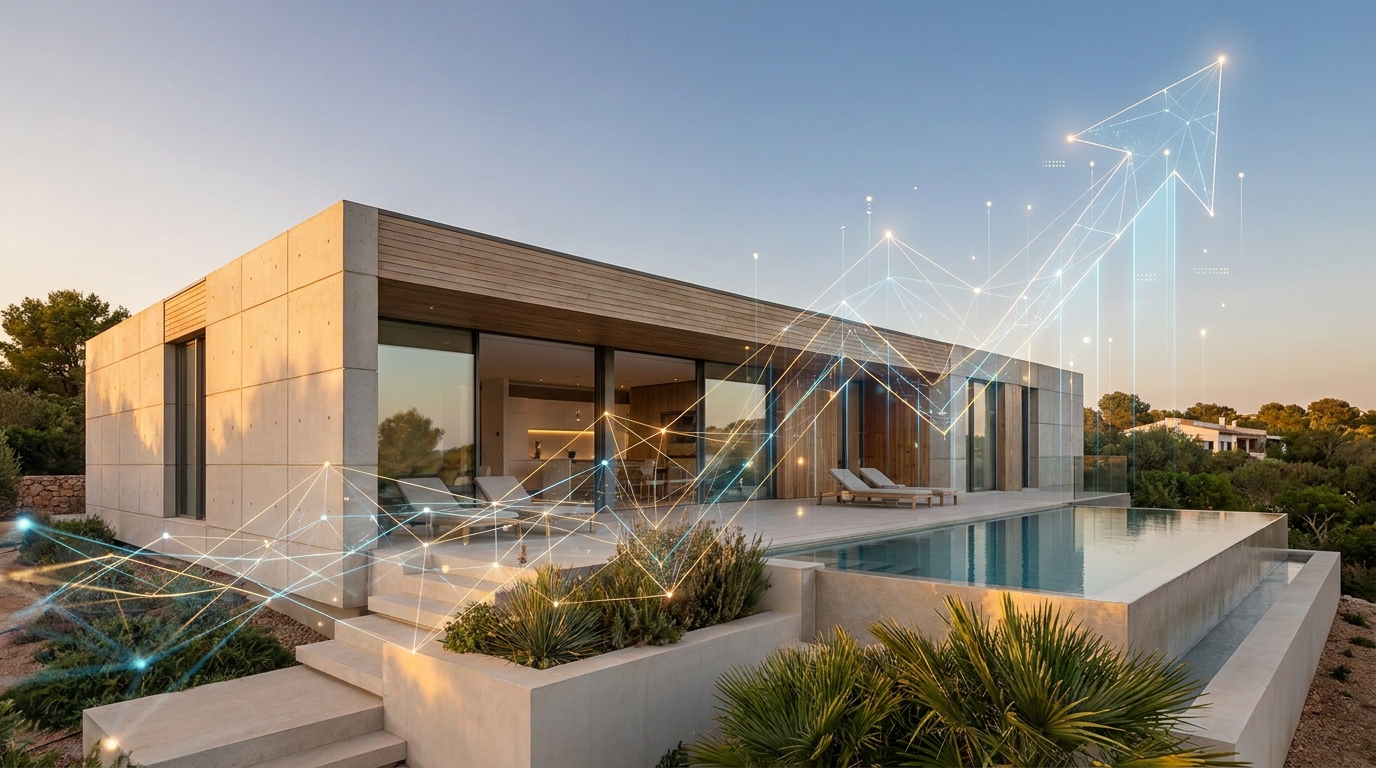
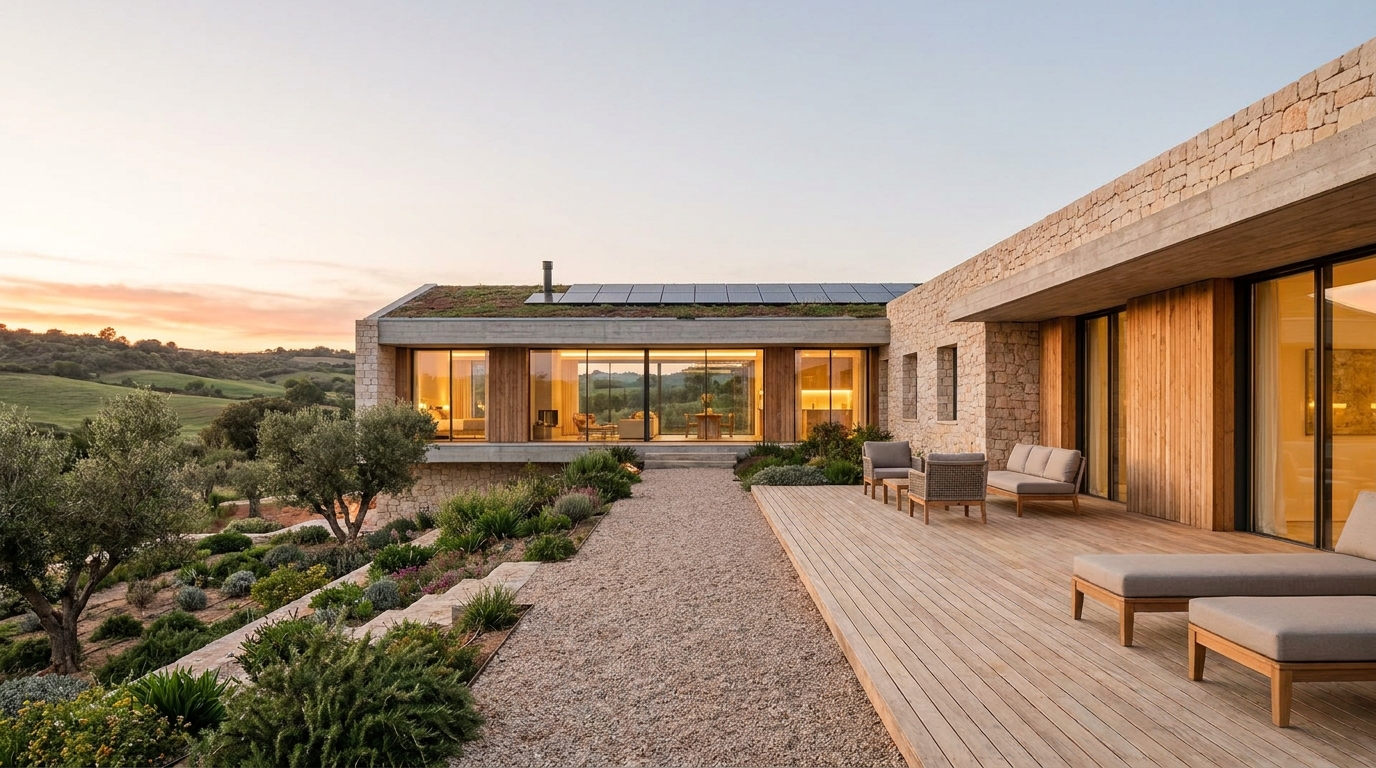
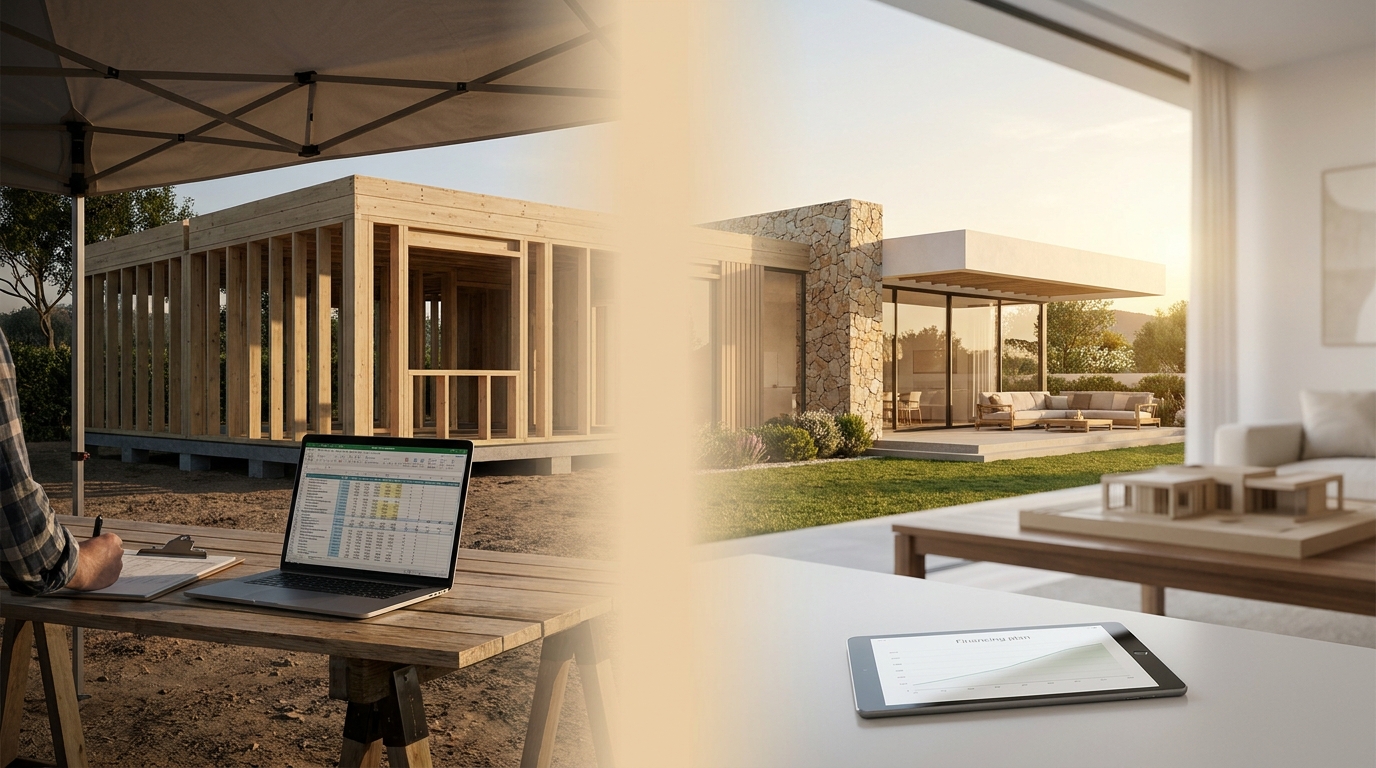
Many modular self-build projects stall not because of technology but because of preventable planning, financing and contractual mistakes. This guide pinpoints the most common failures and gives practical, step-by-step fixes to keep your project on time, on budget and built to the sustainability standards buyers demand.
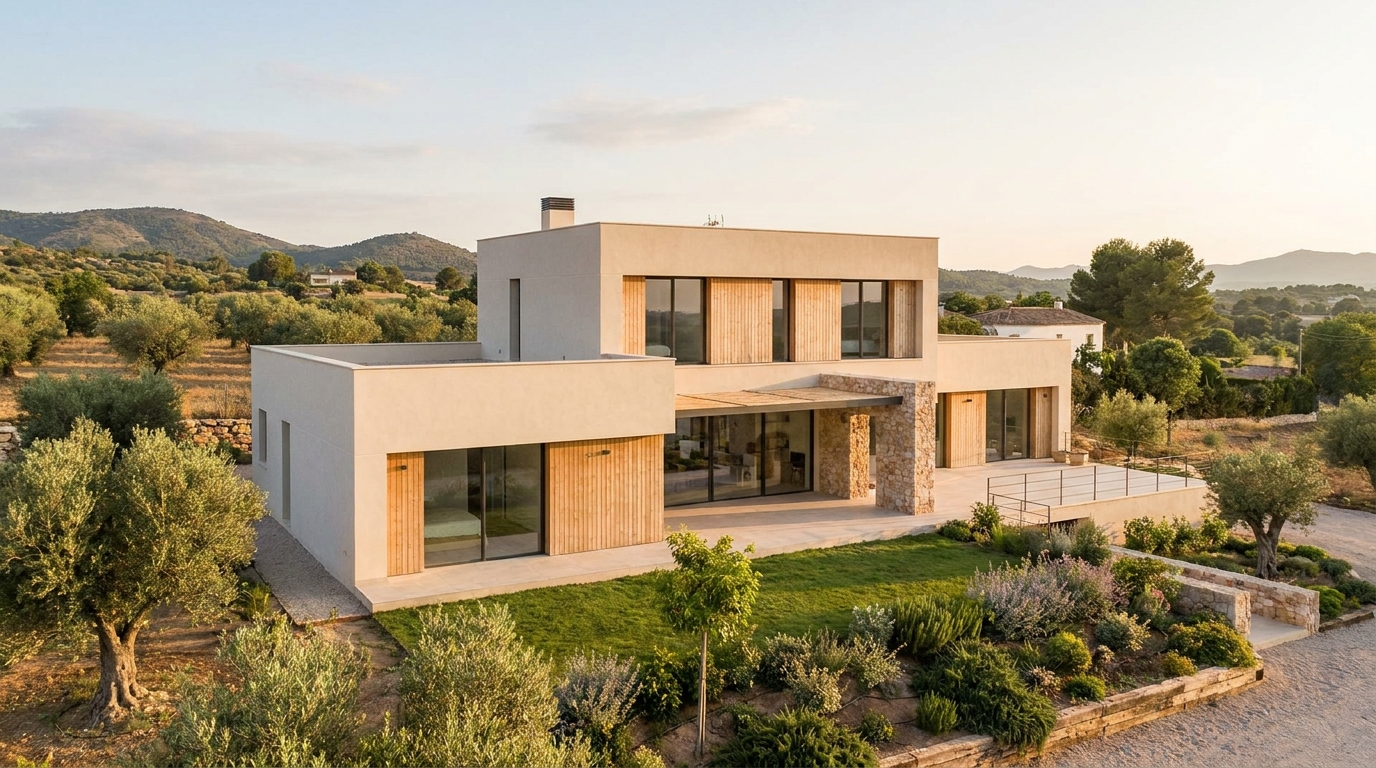
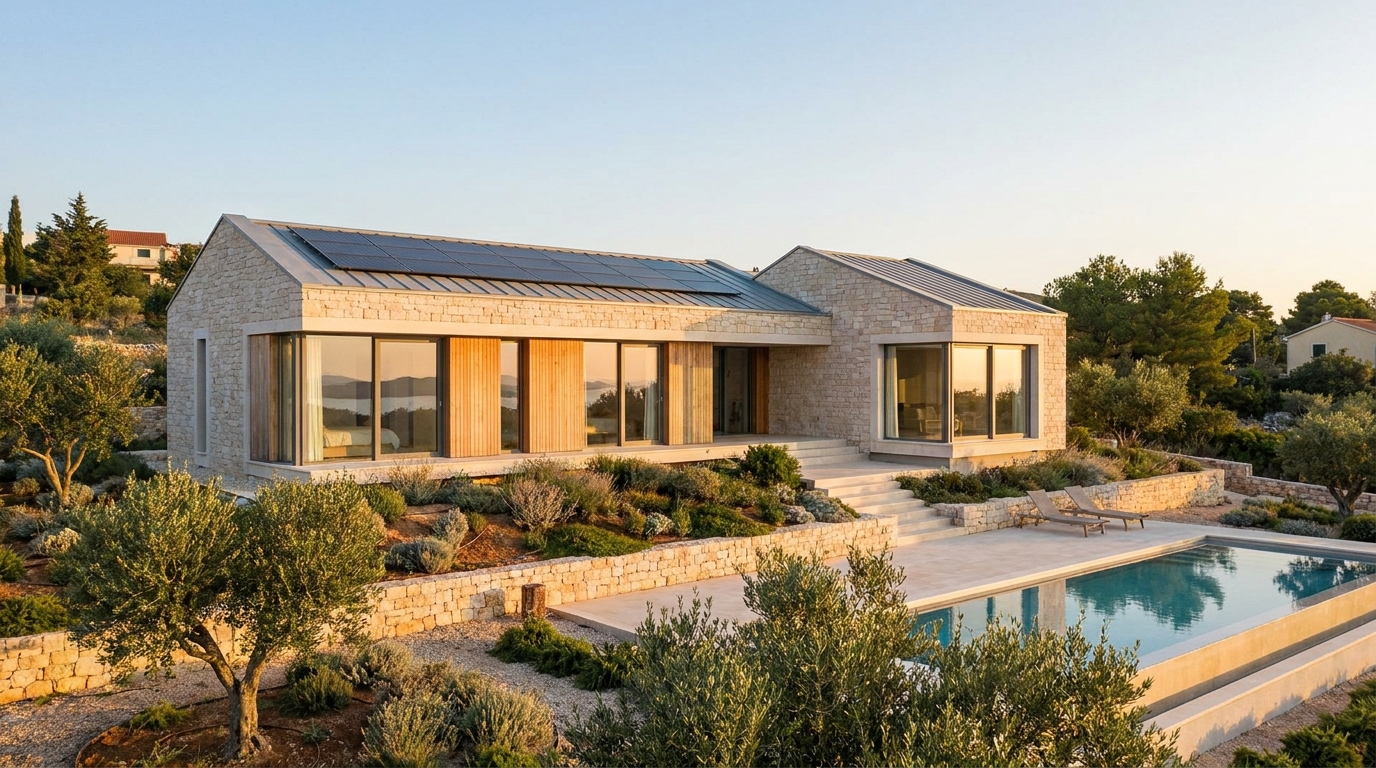
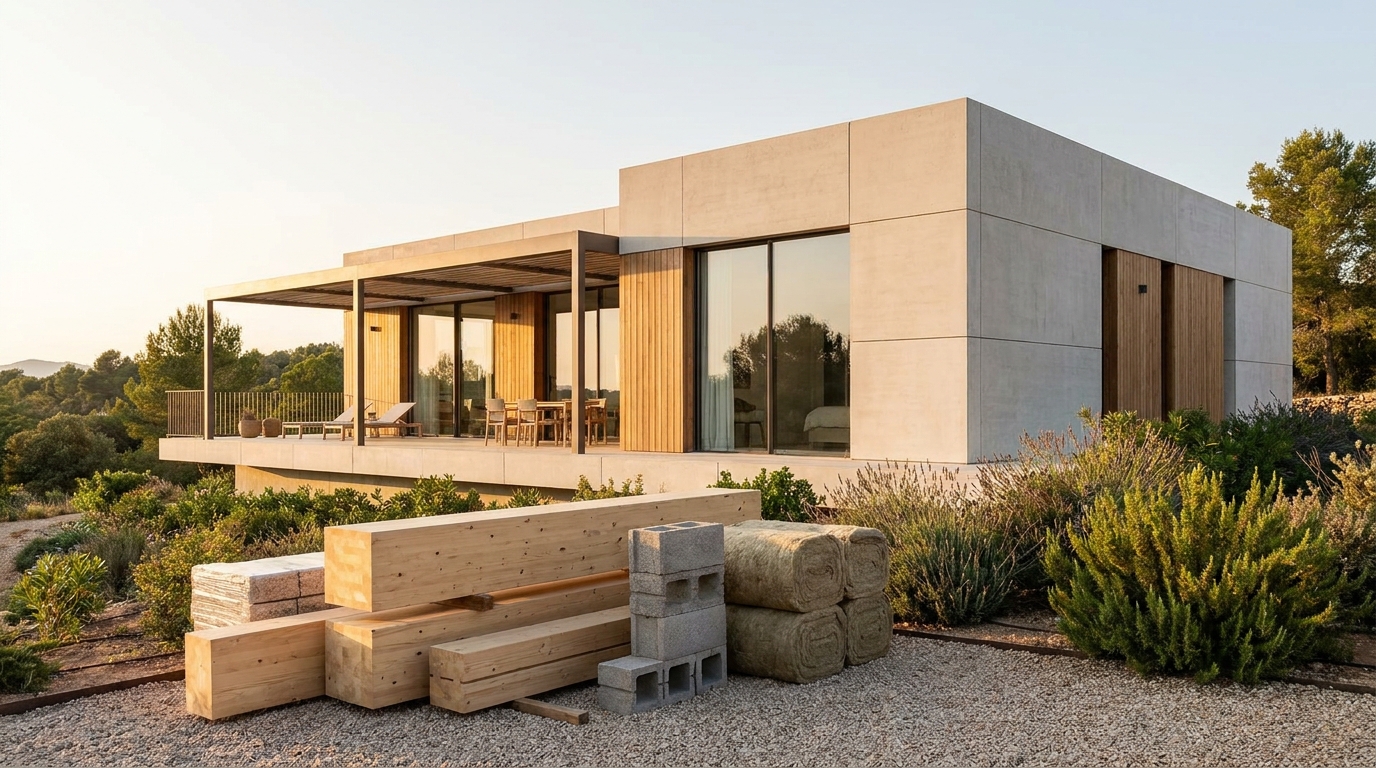
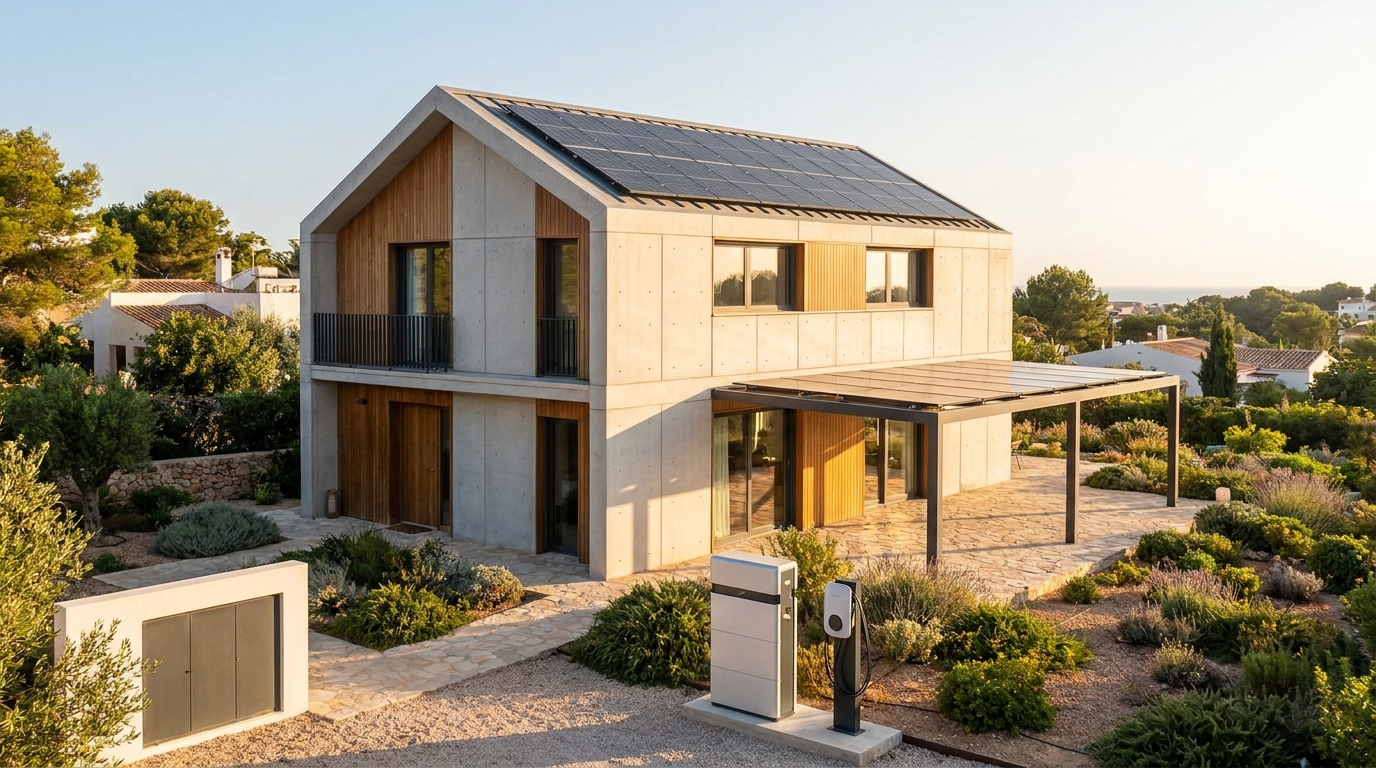
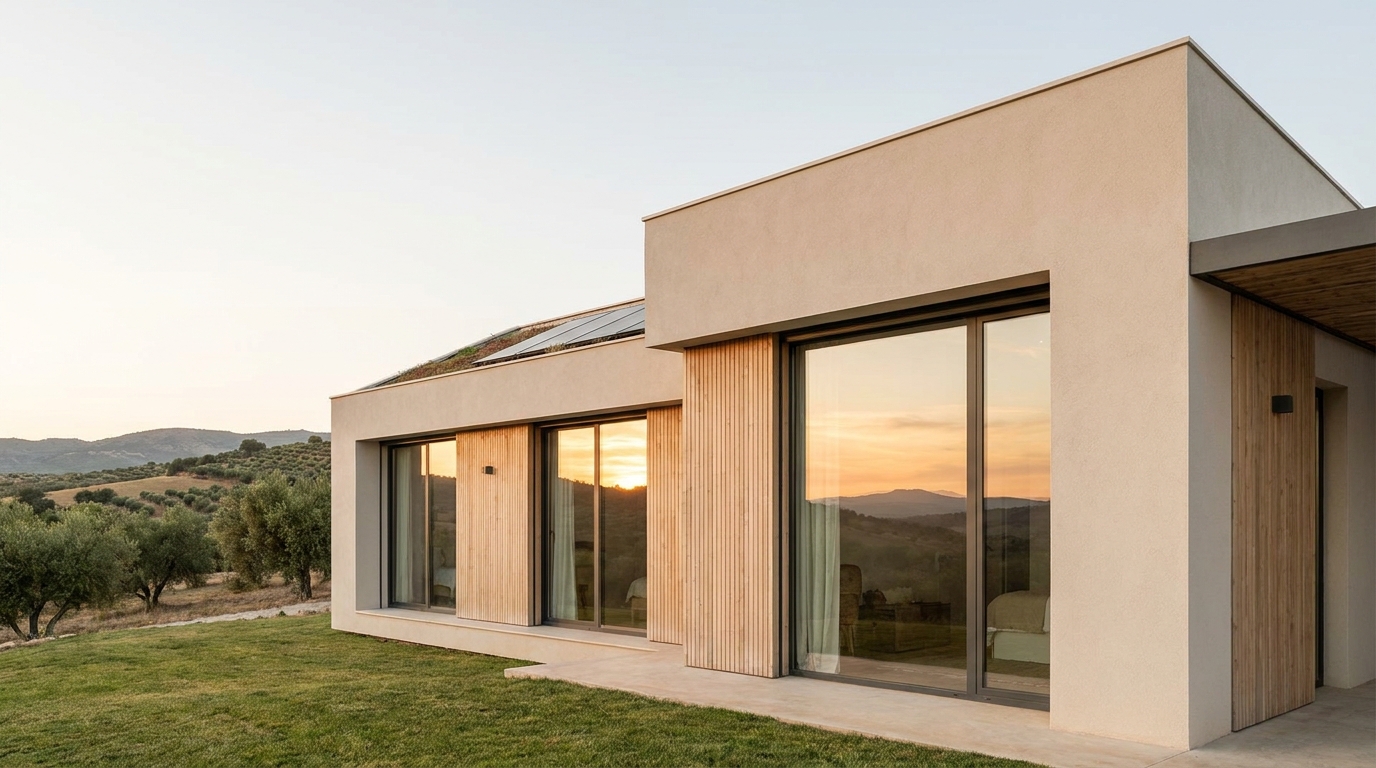
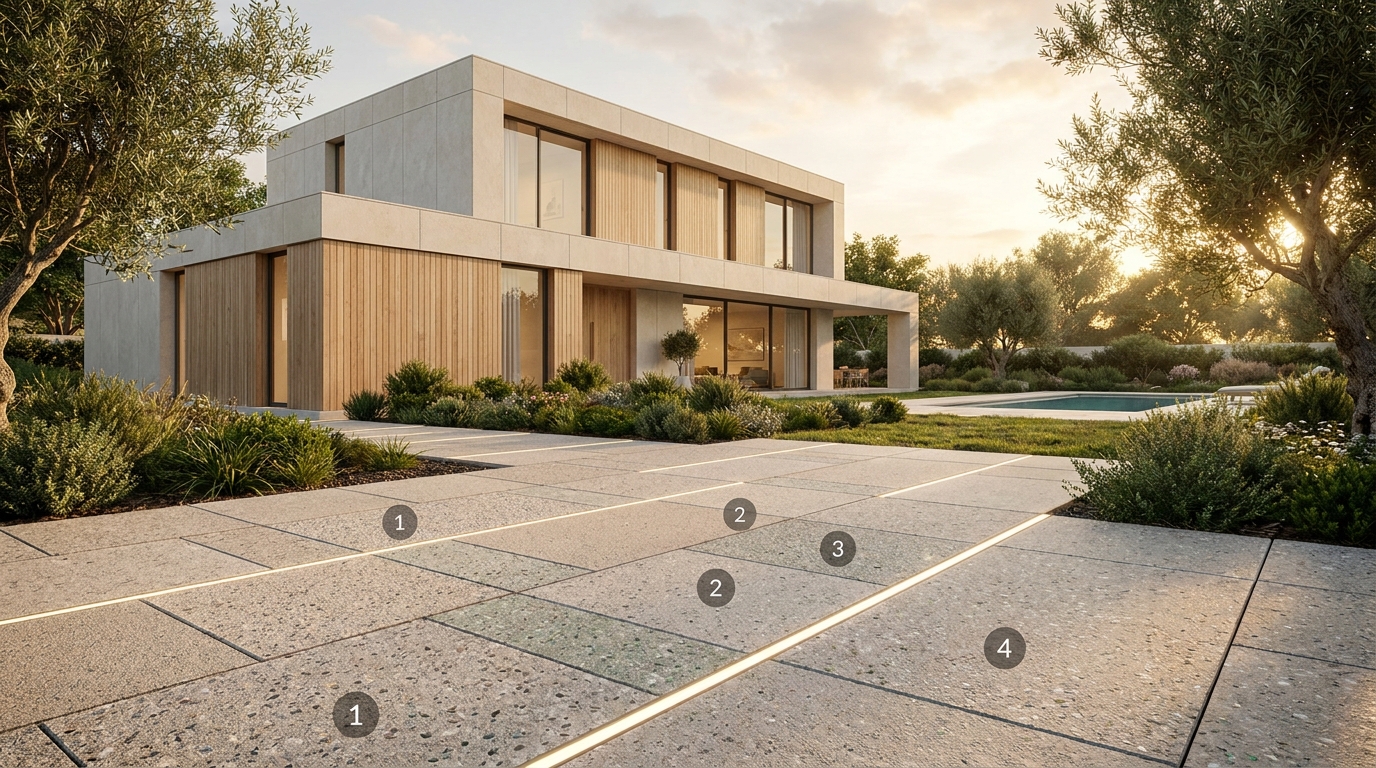
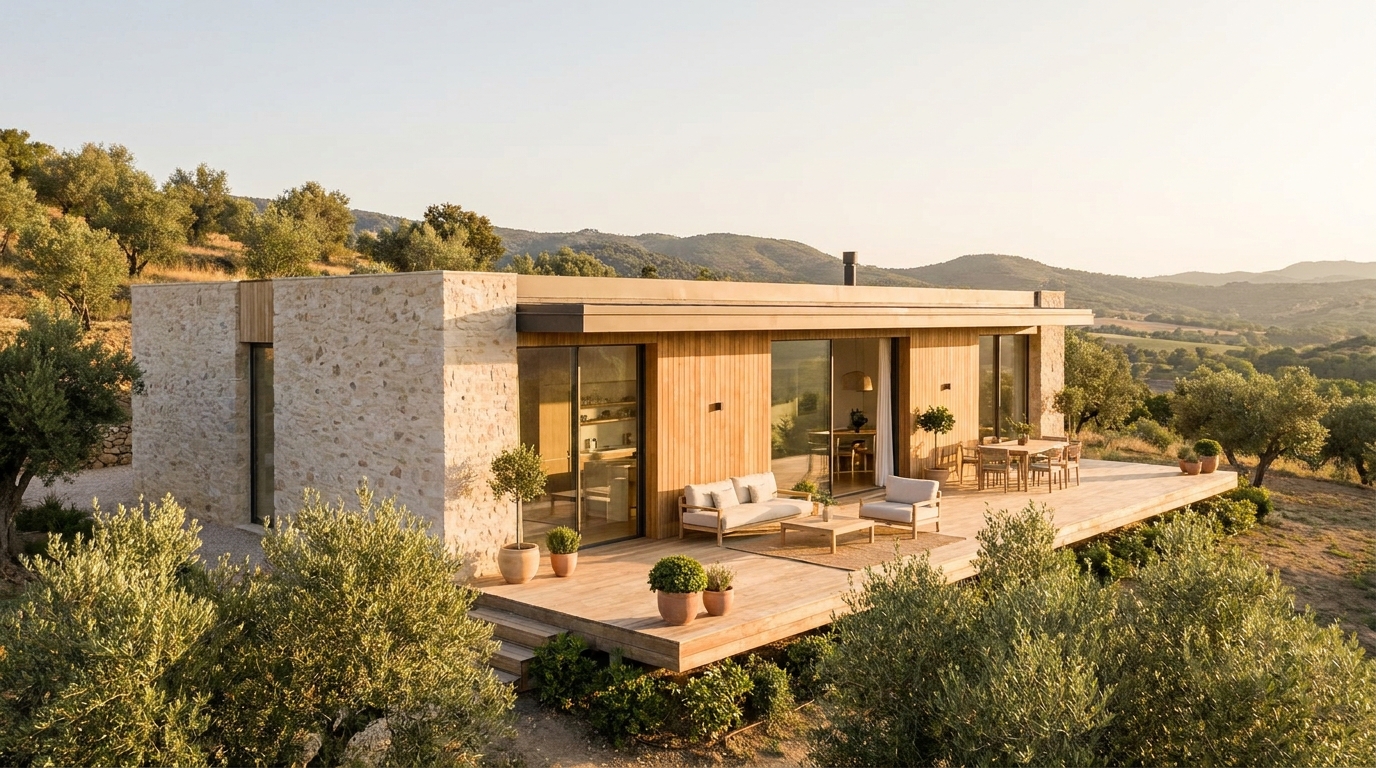
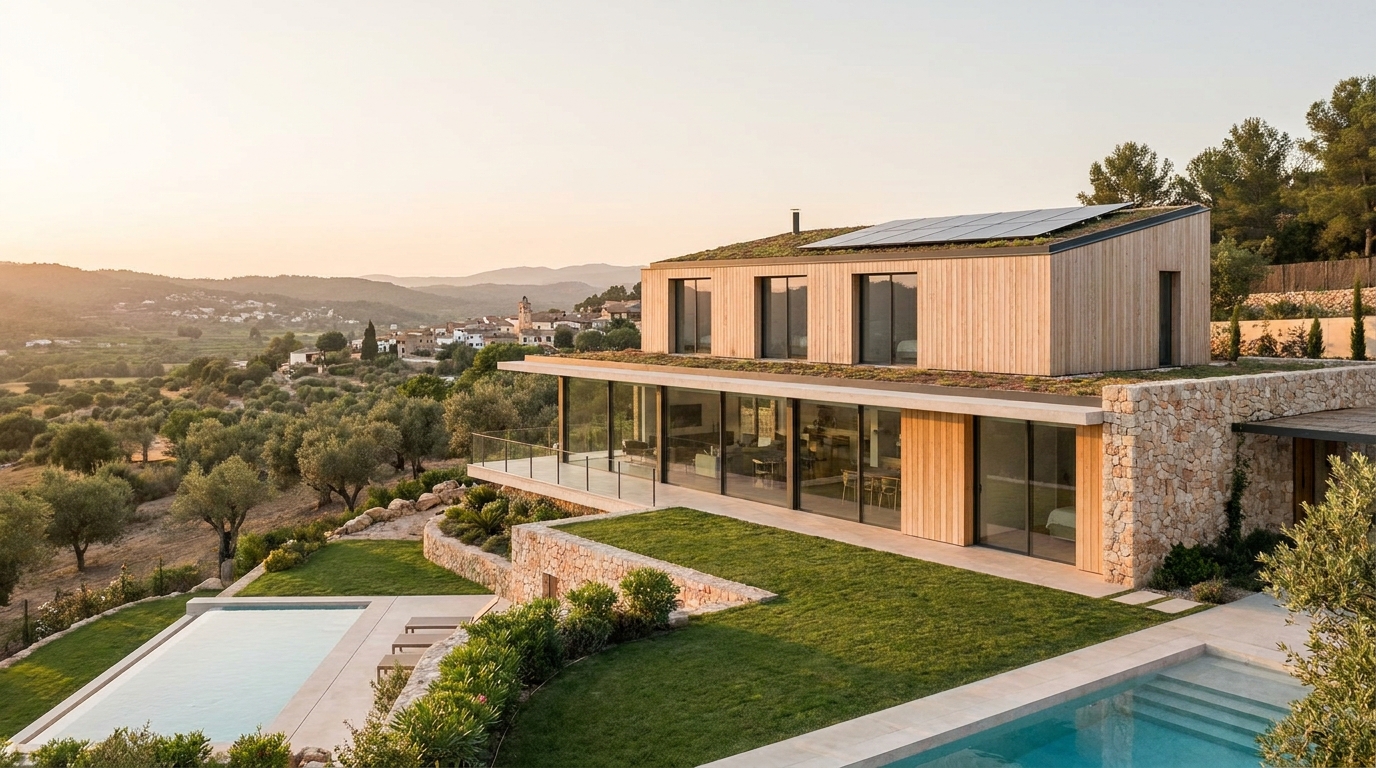
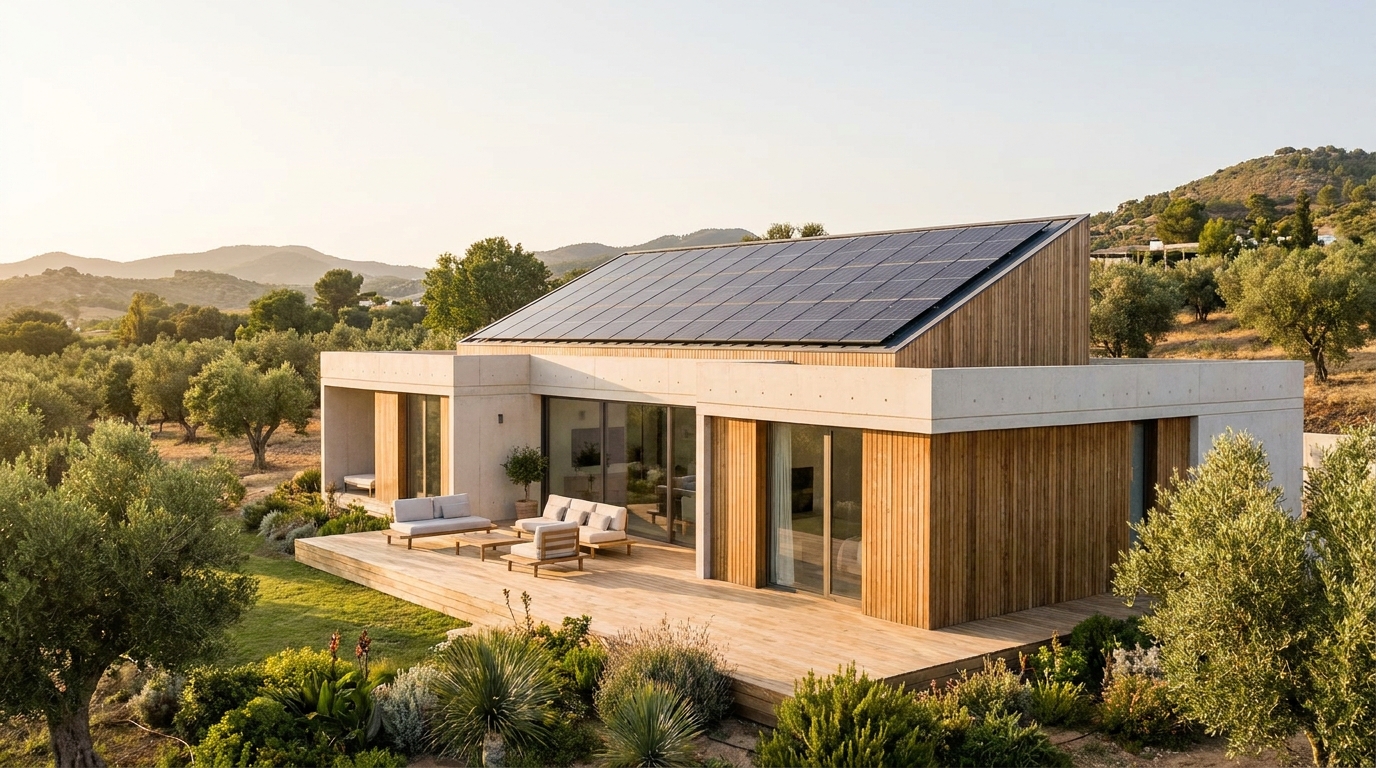
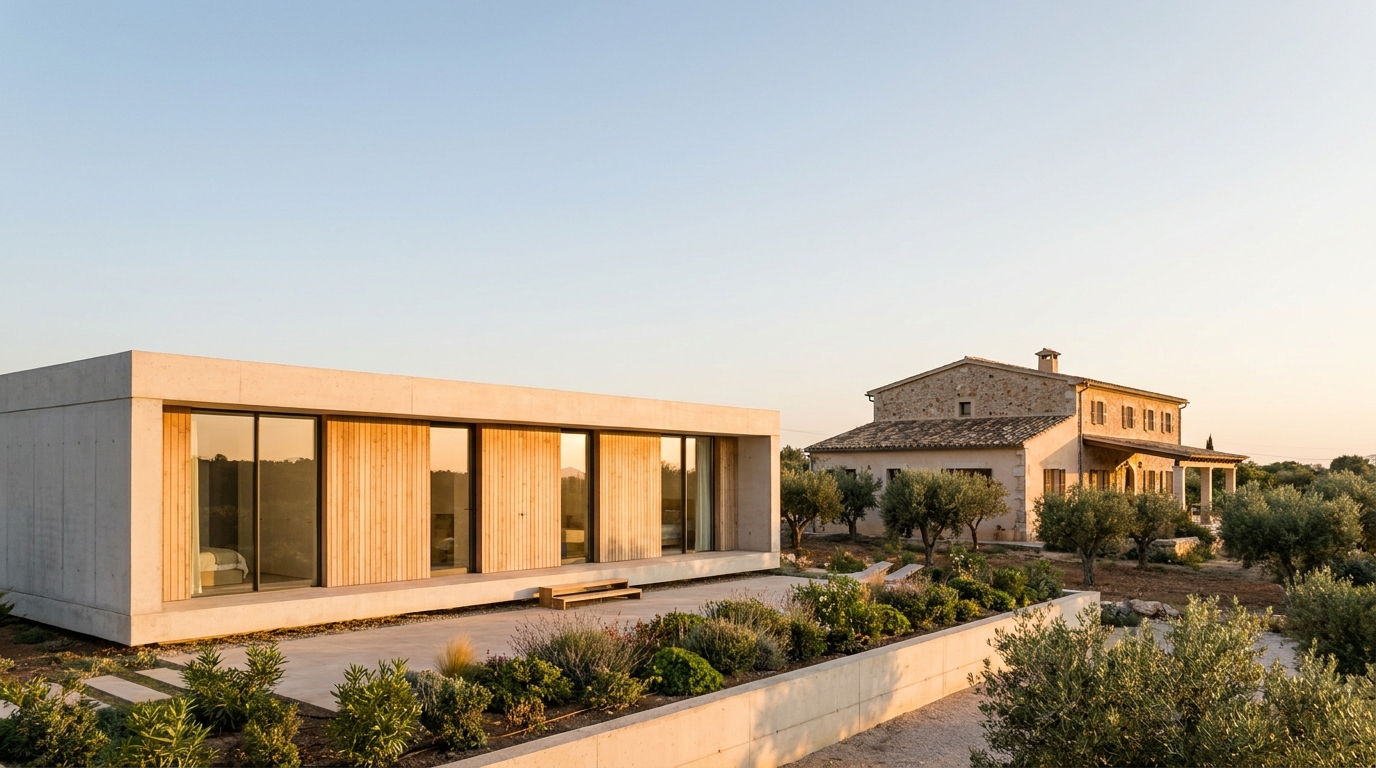
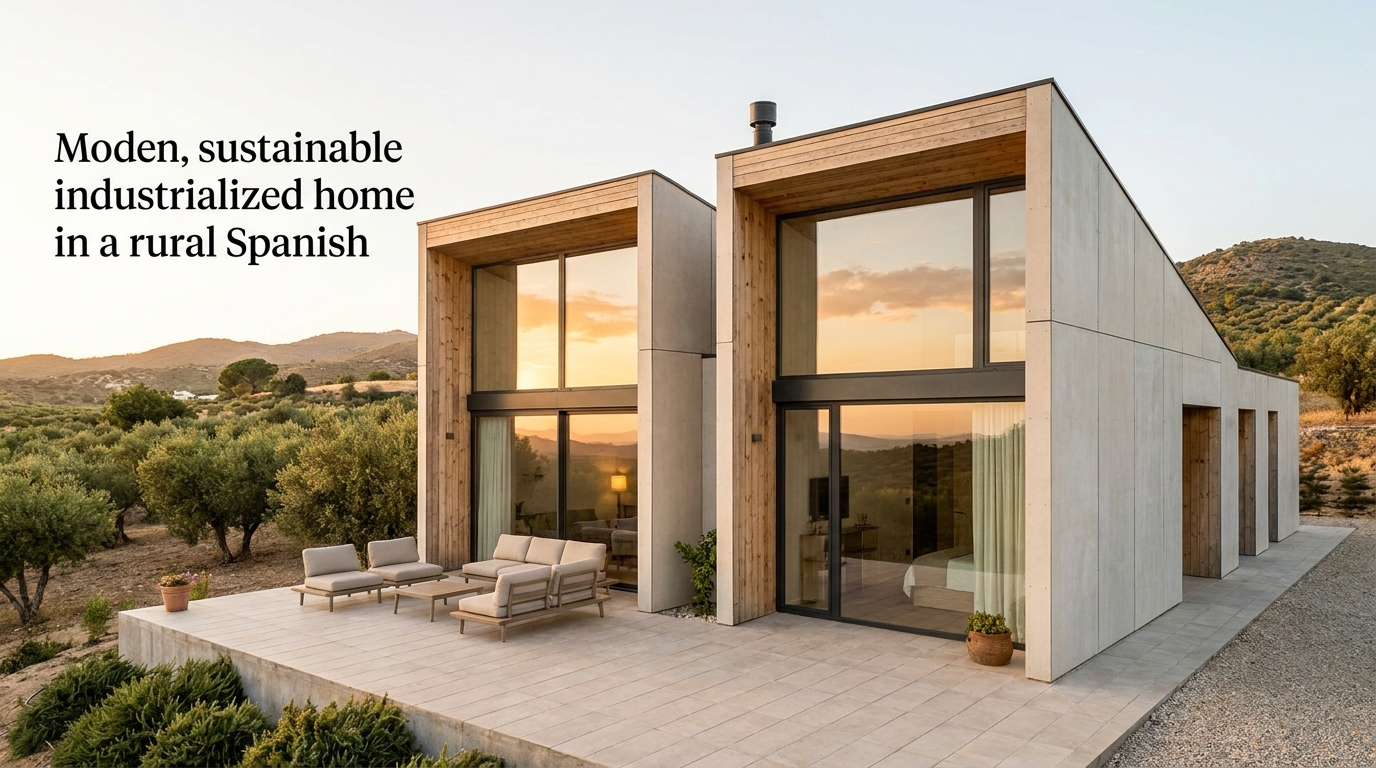
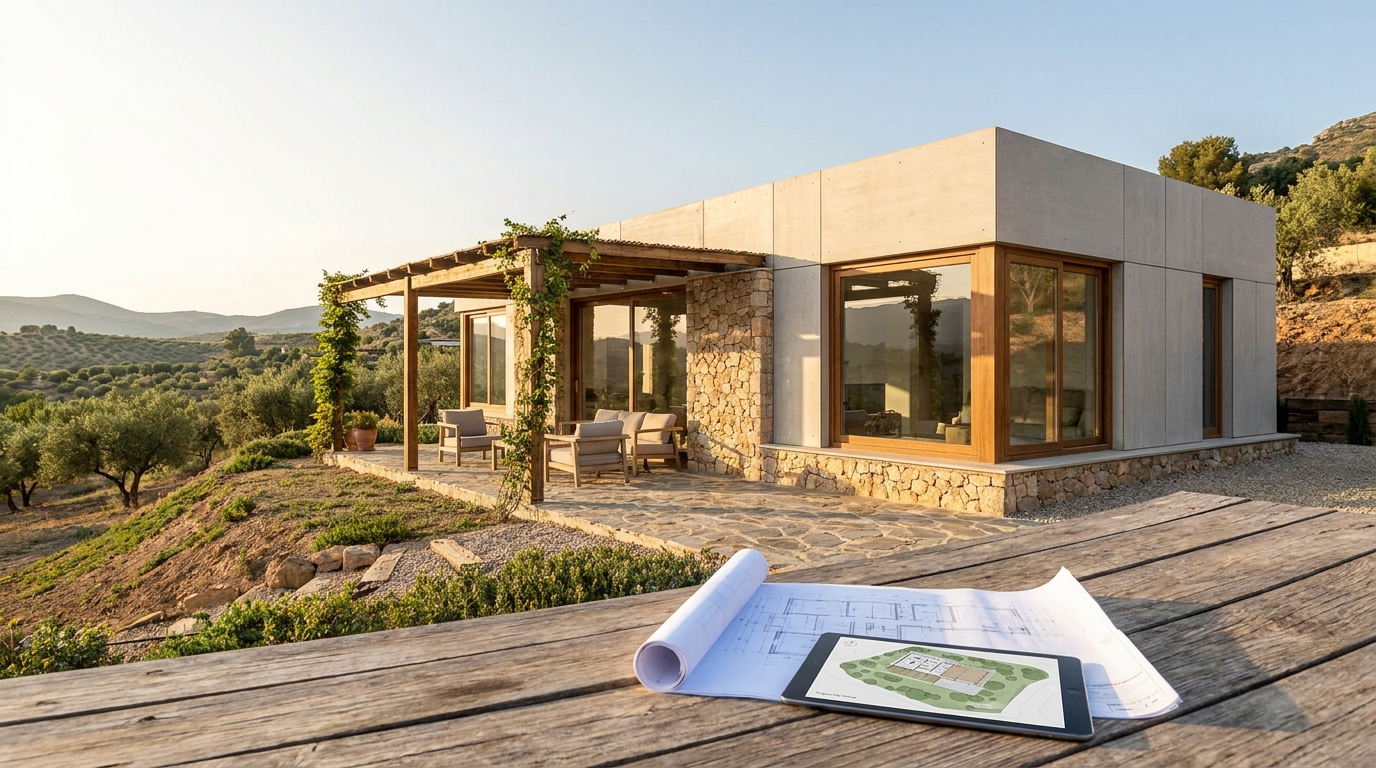
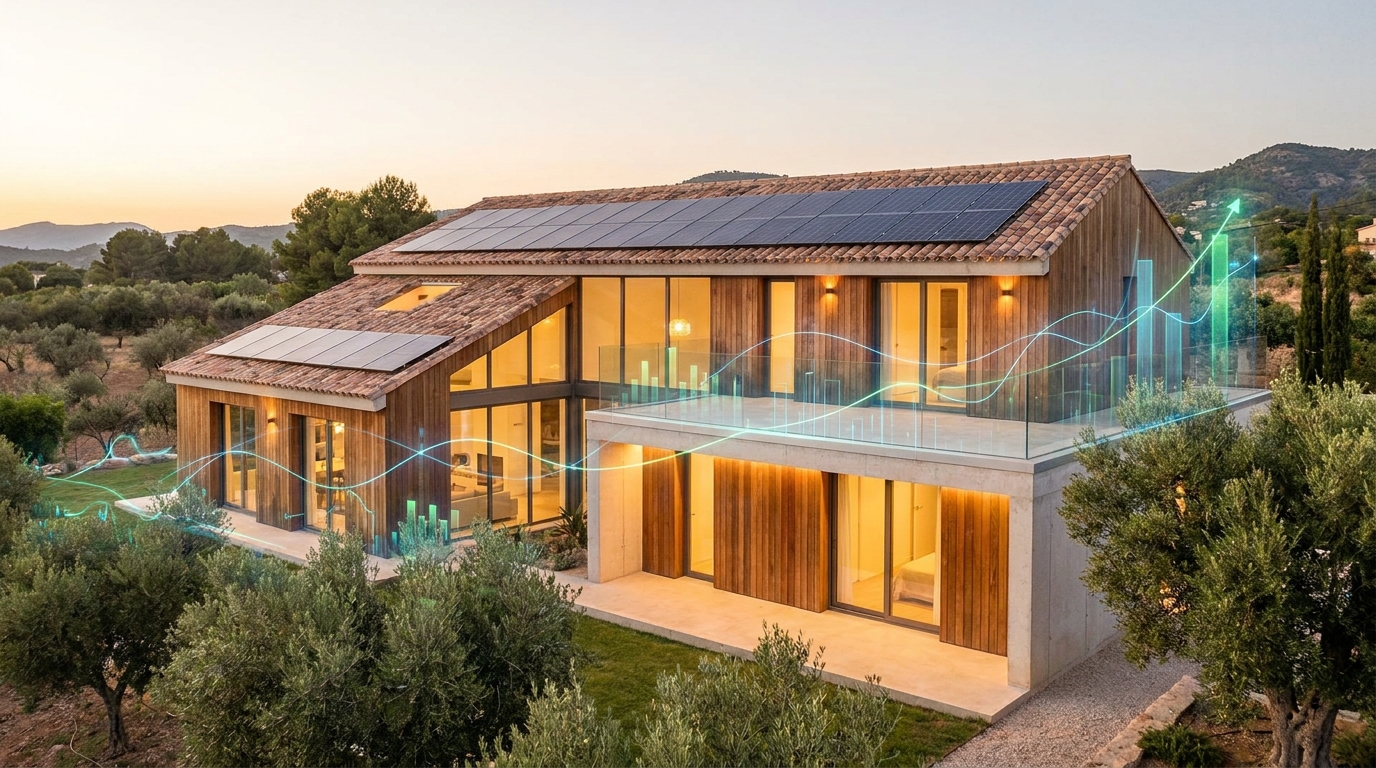
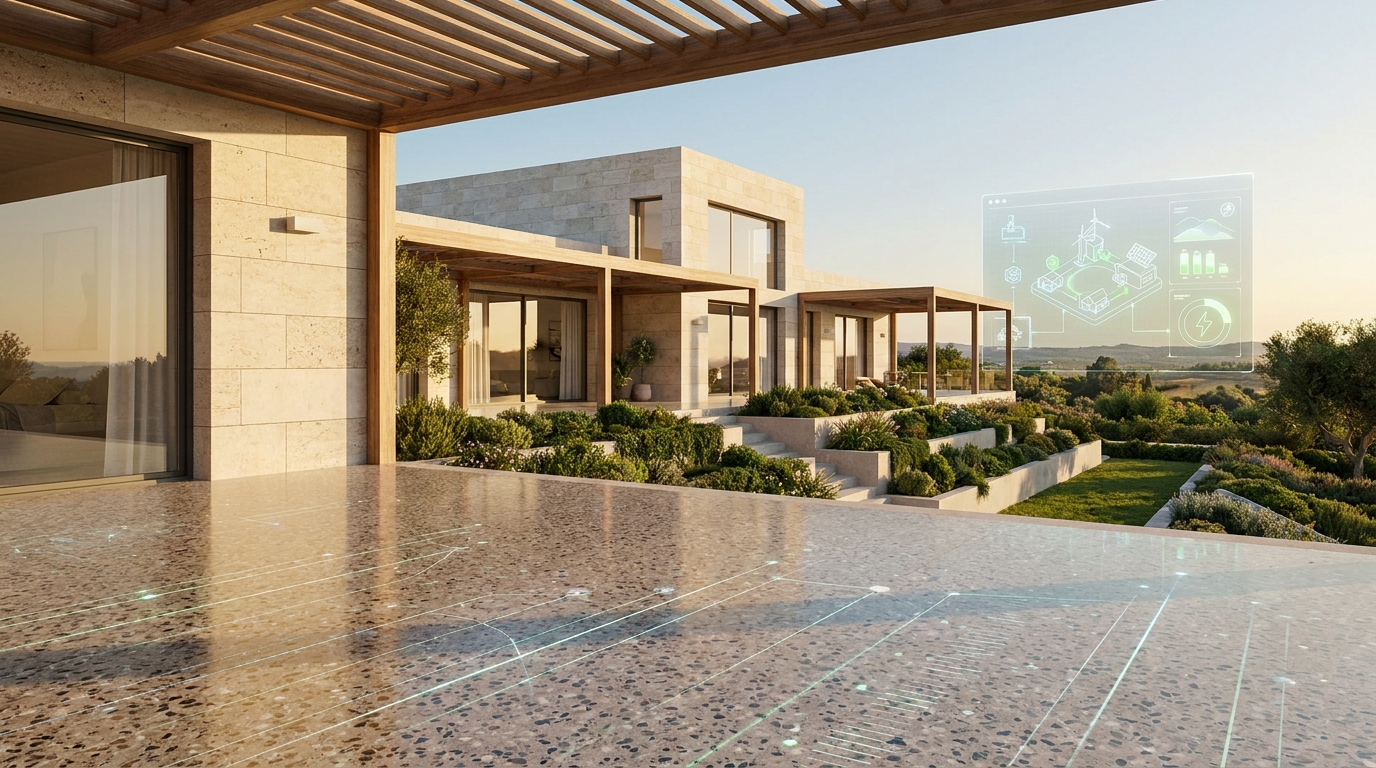
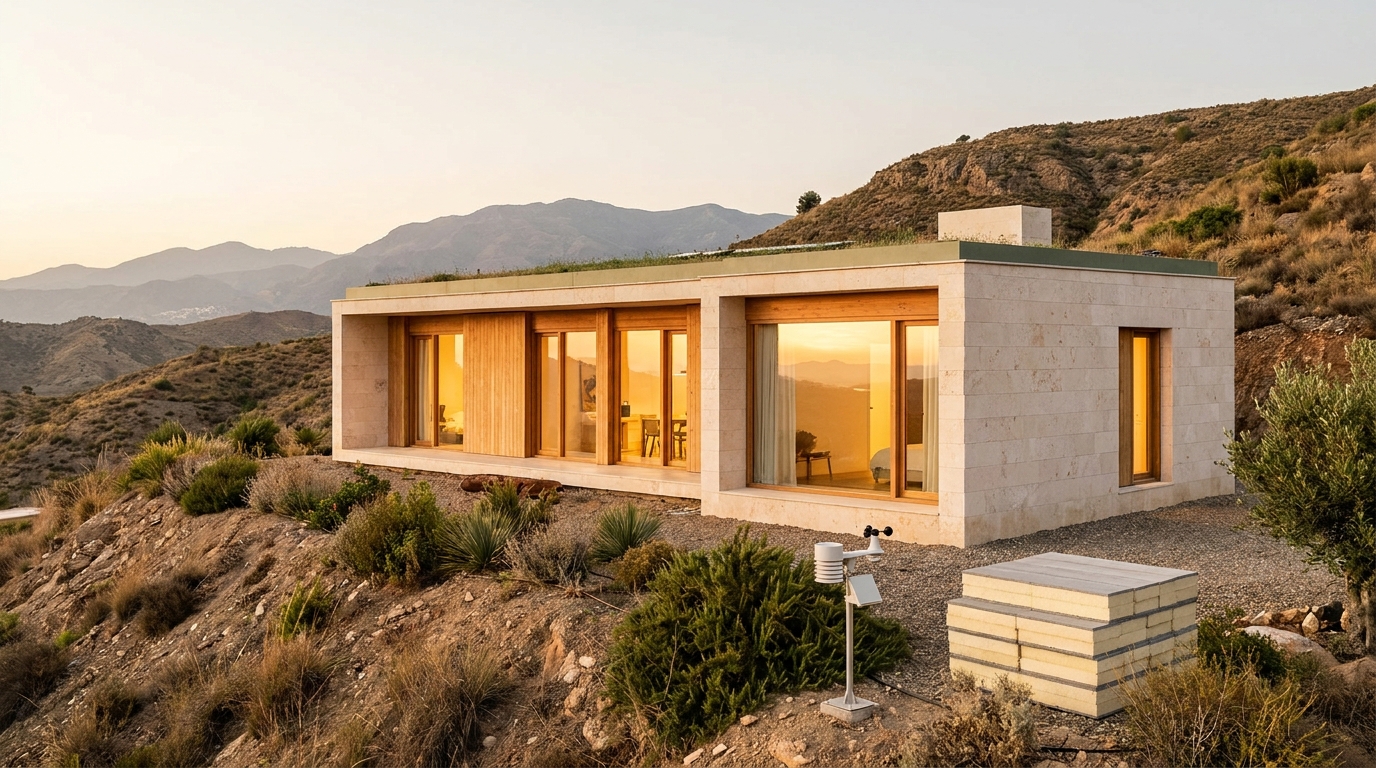

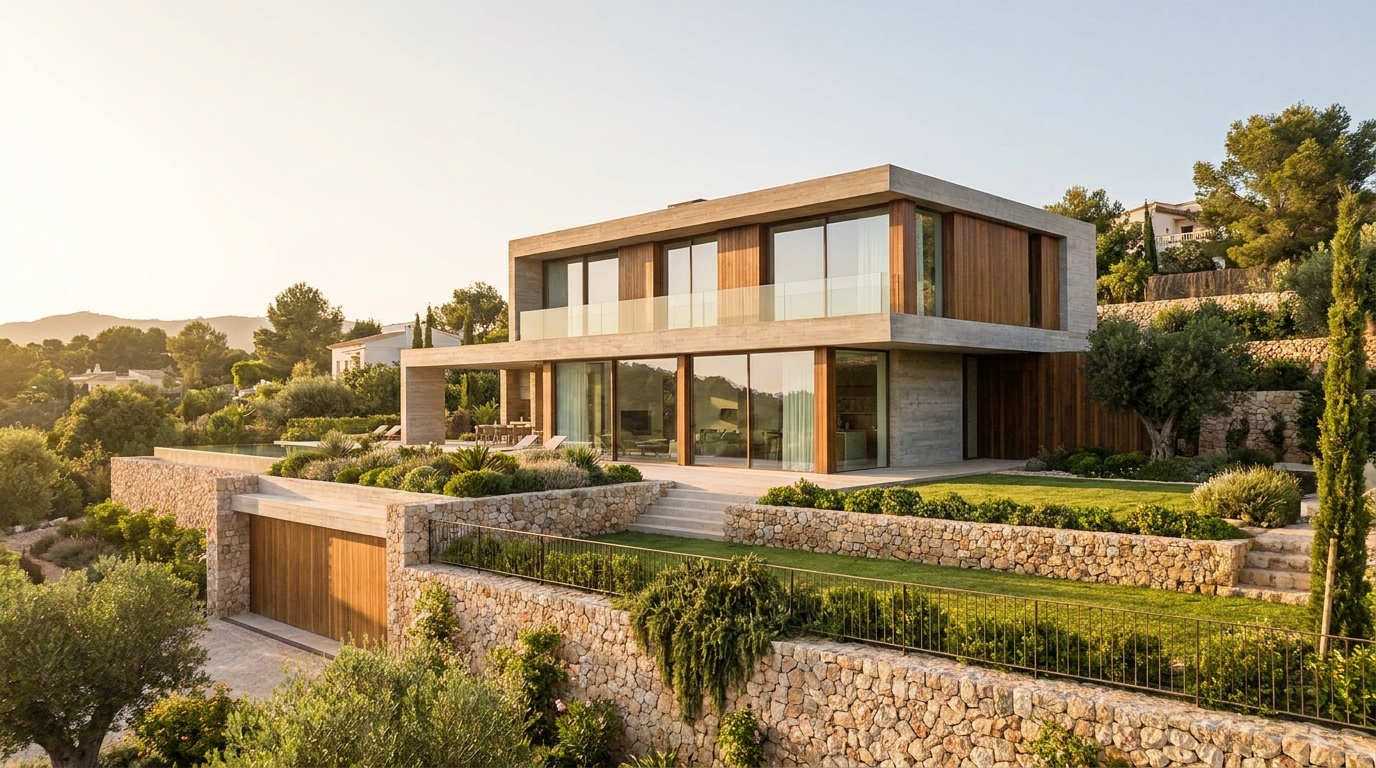
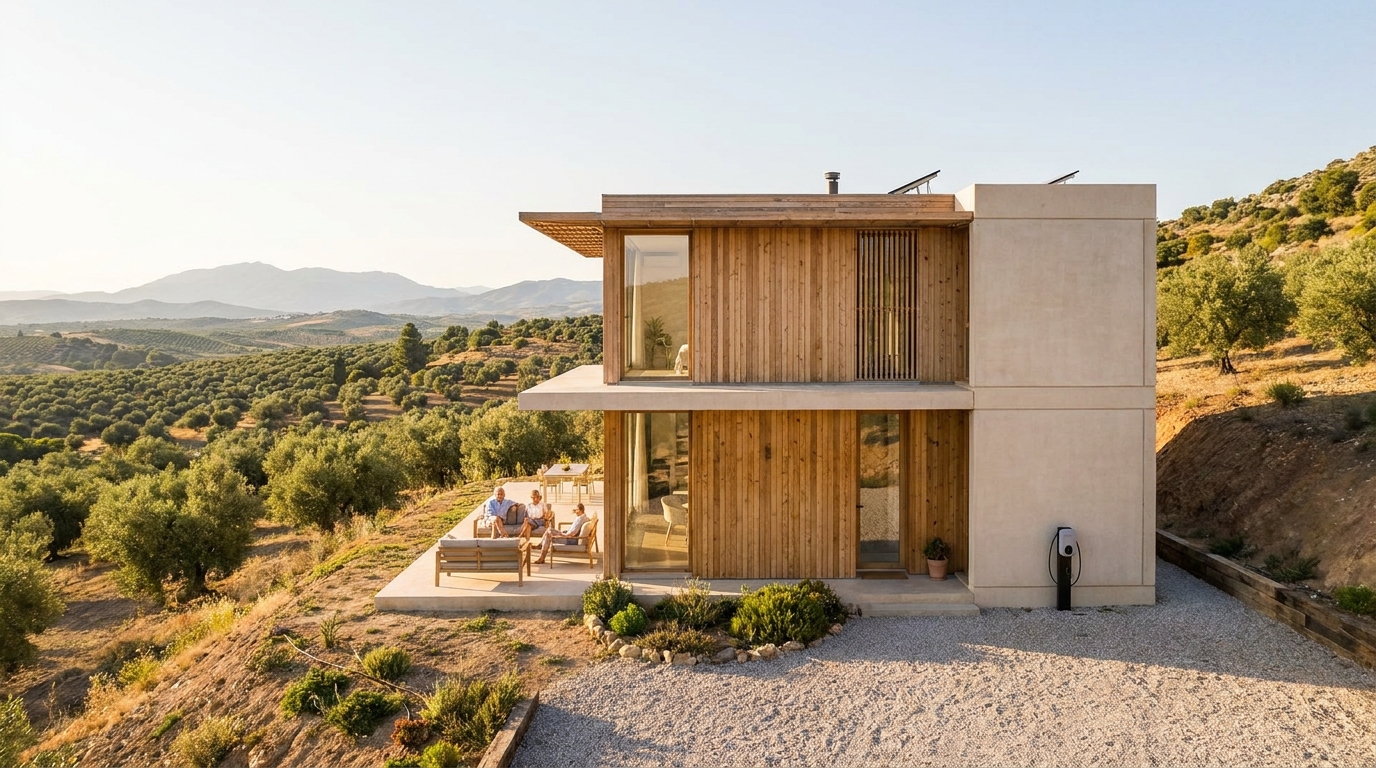
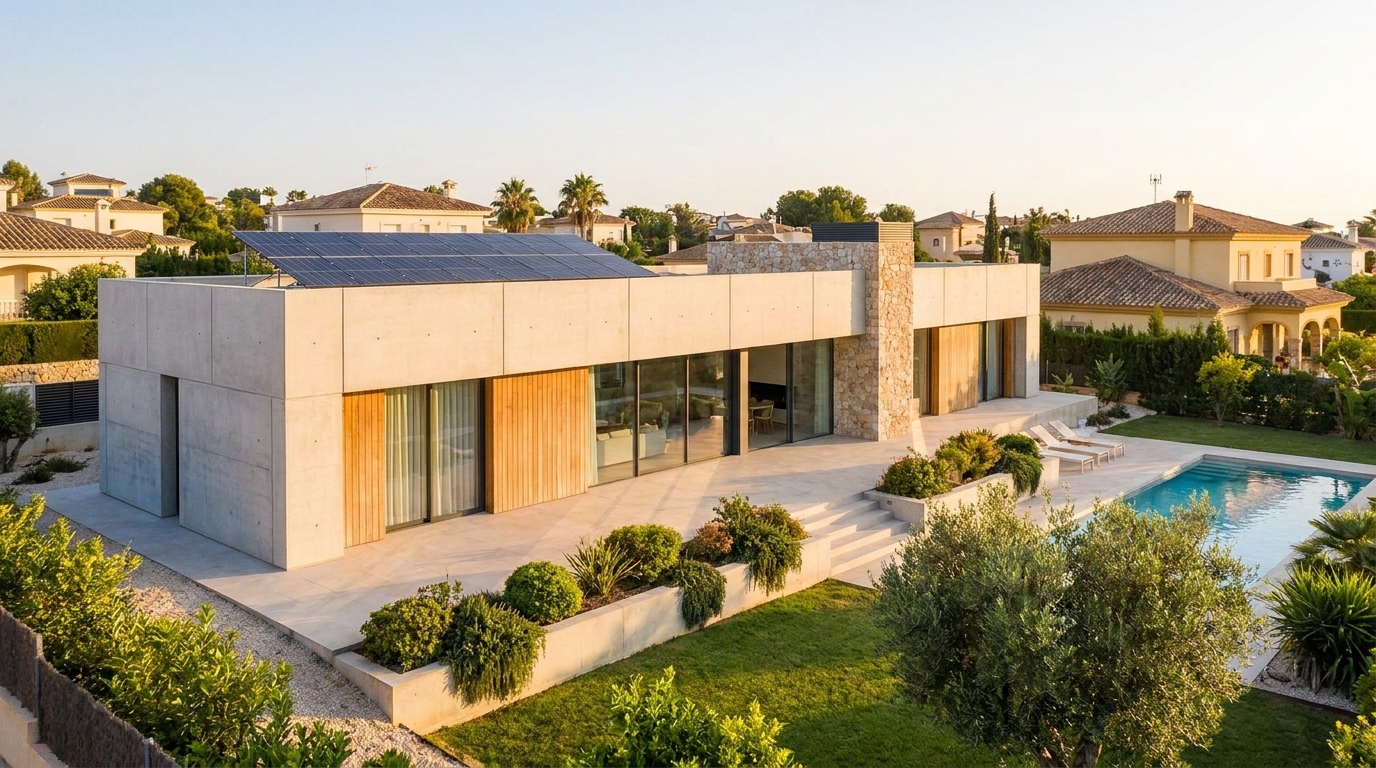
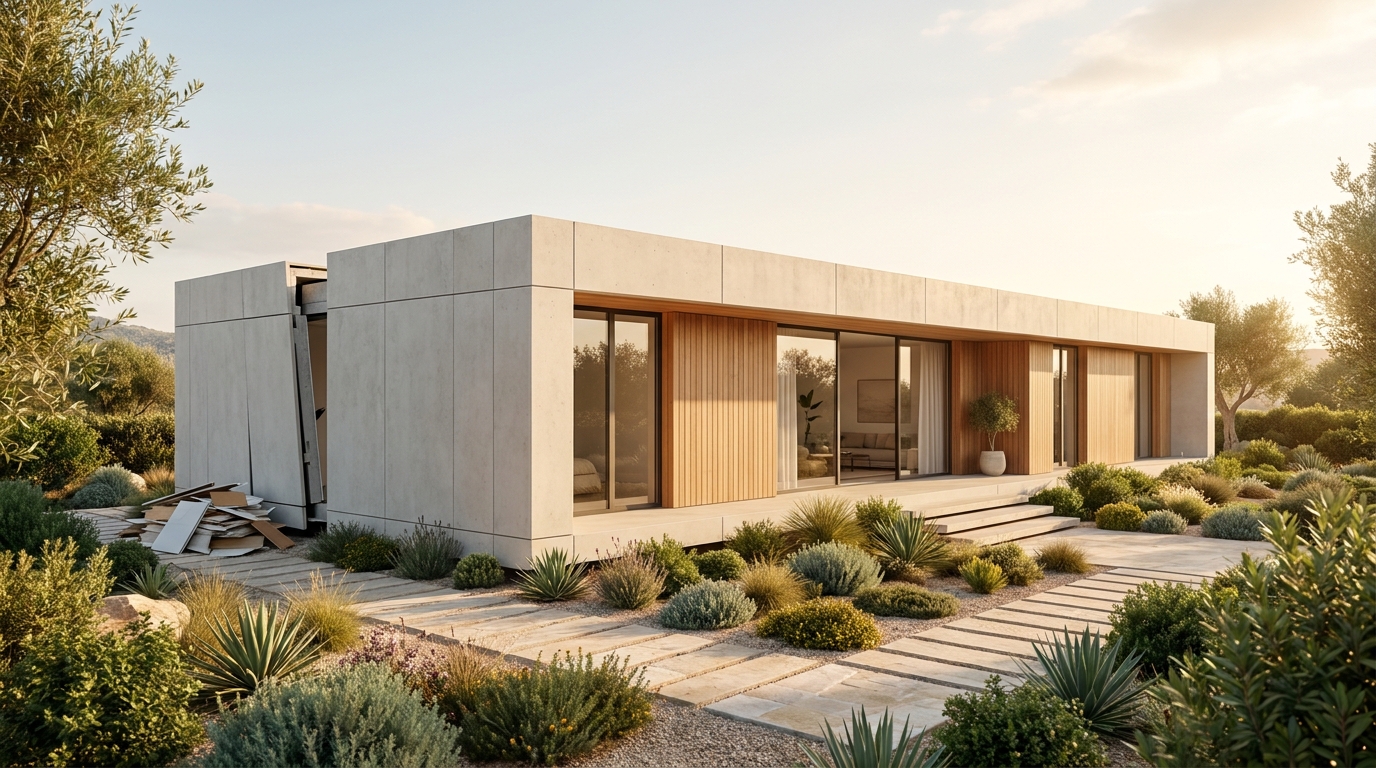
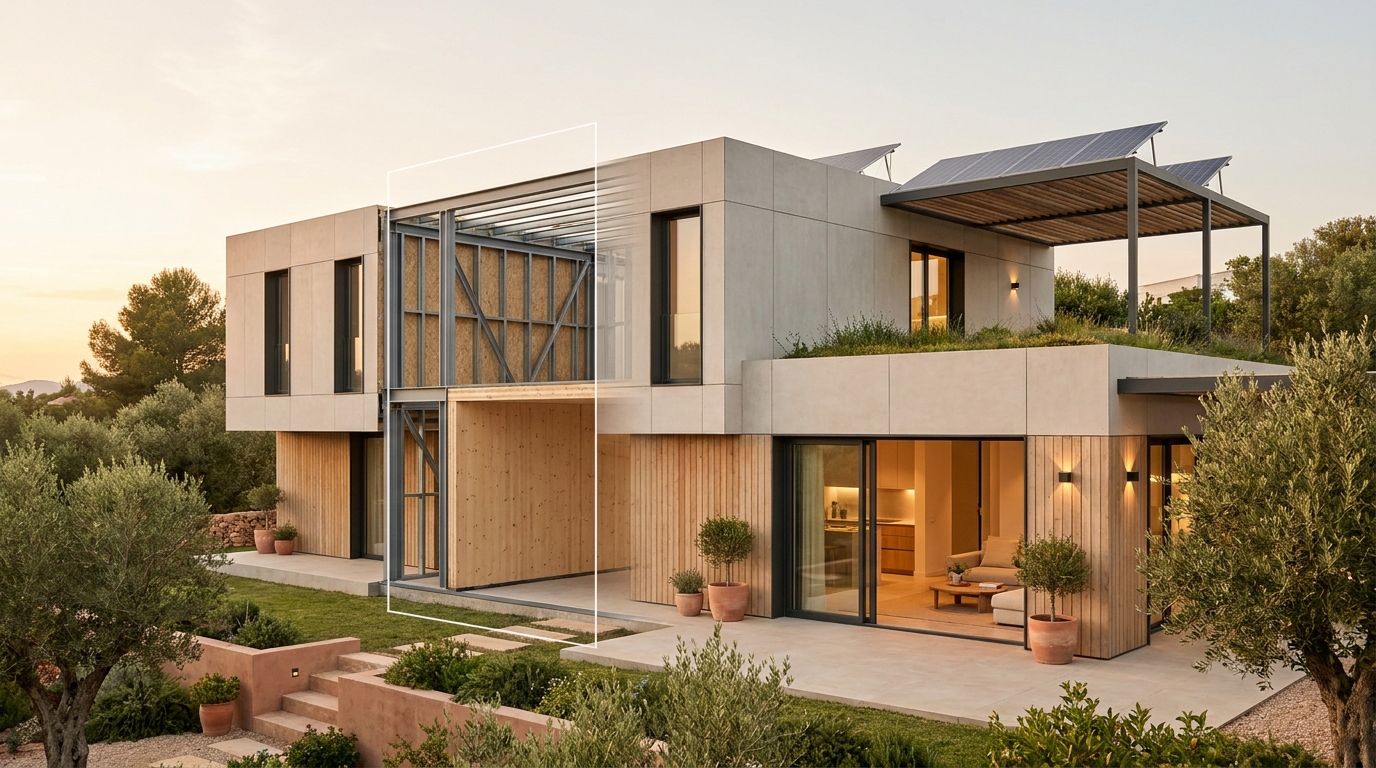
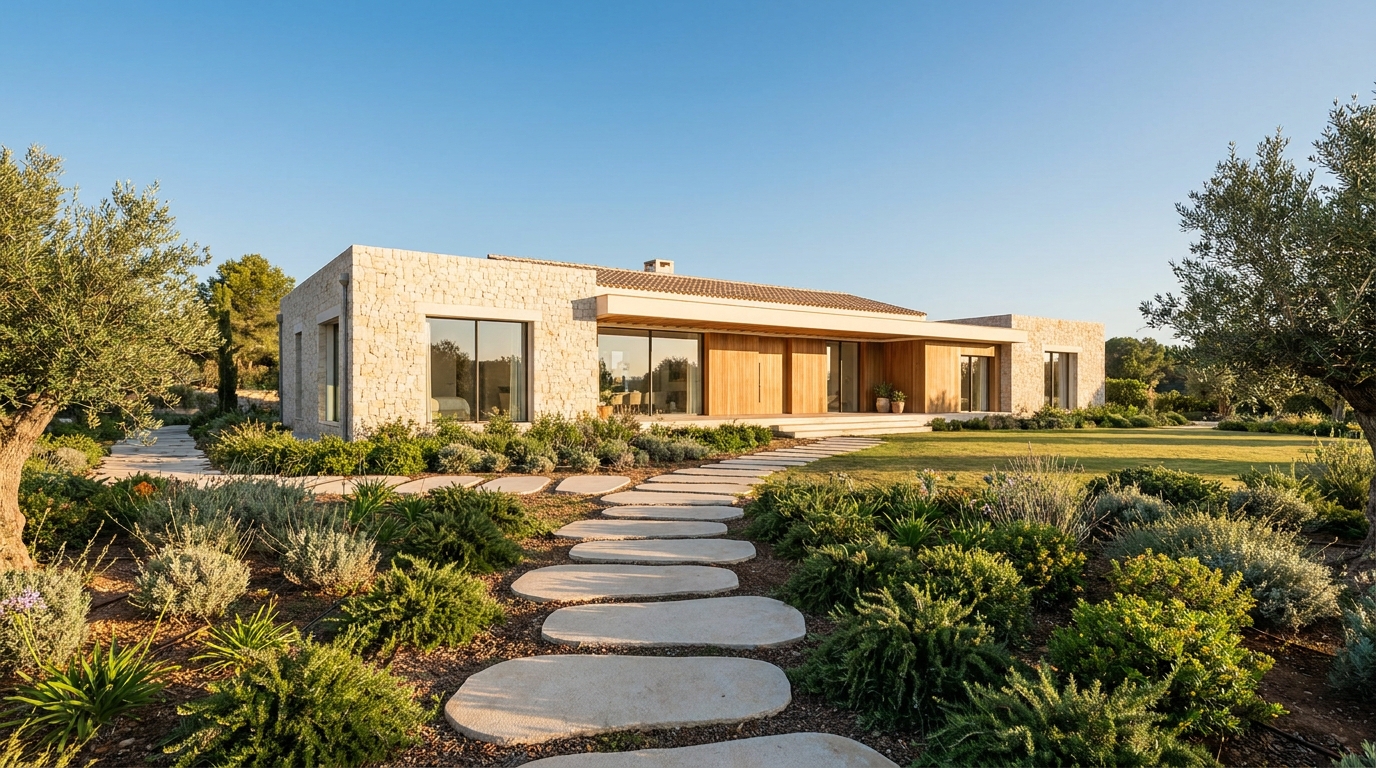
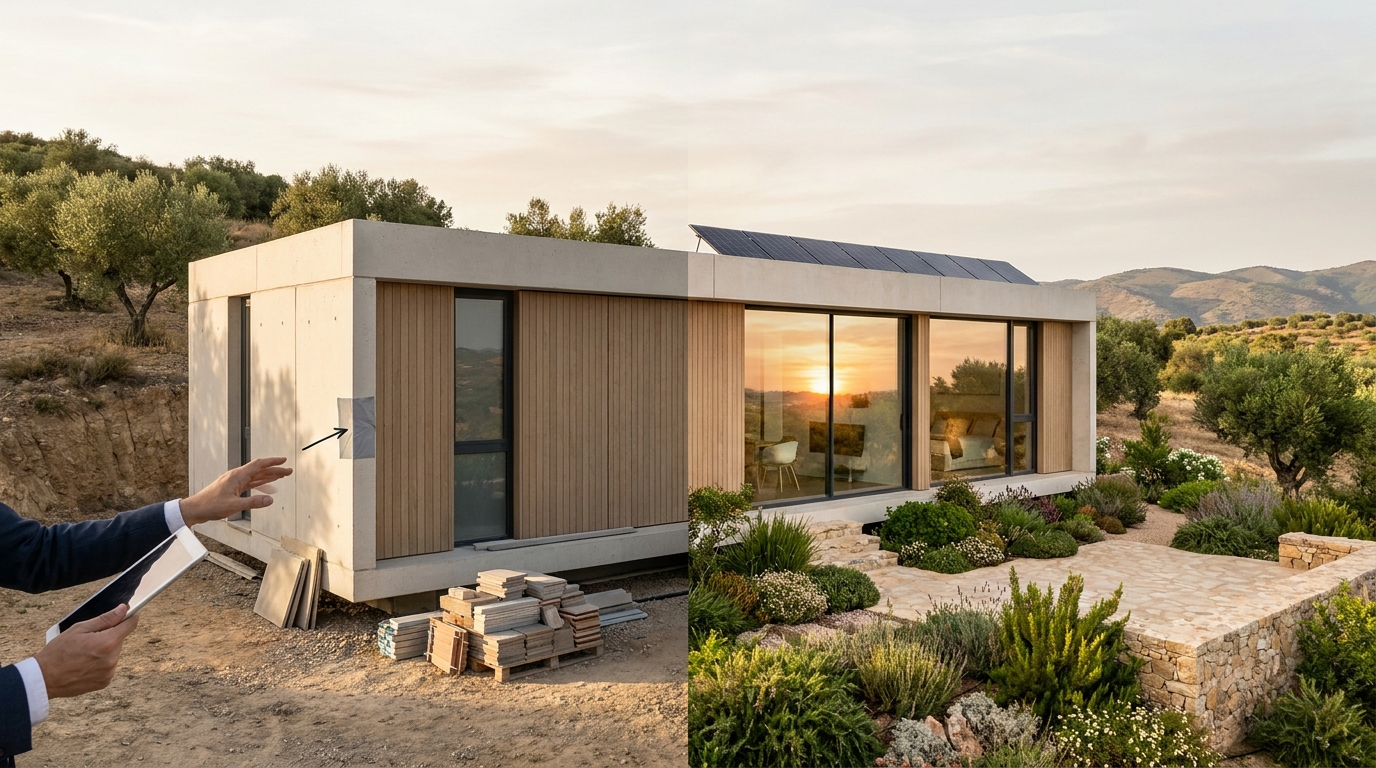
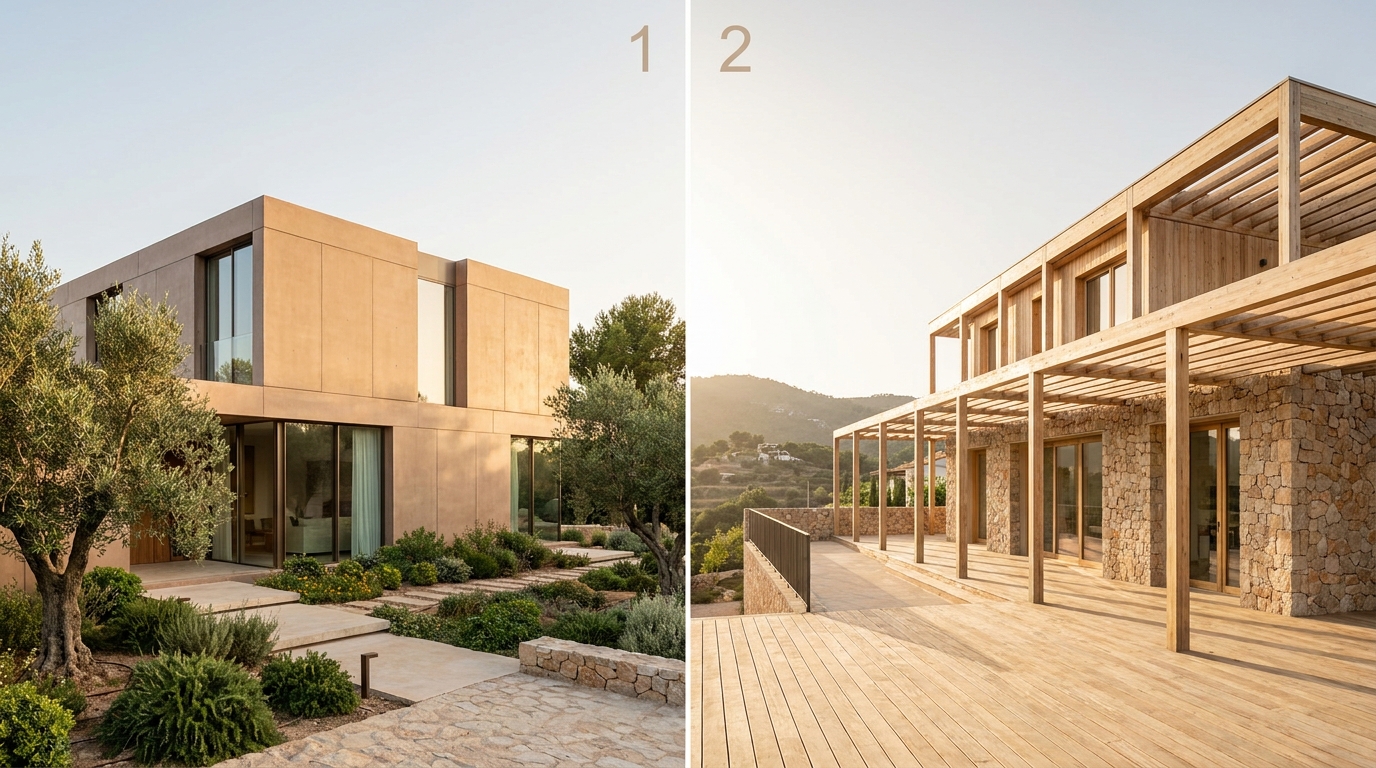
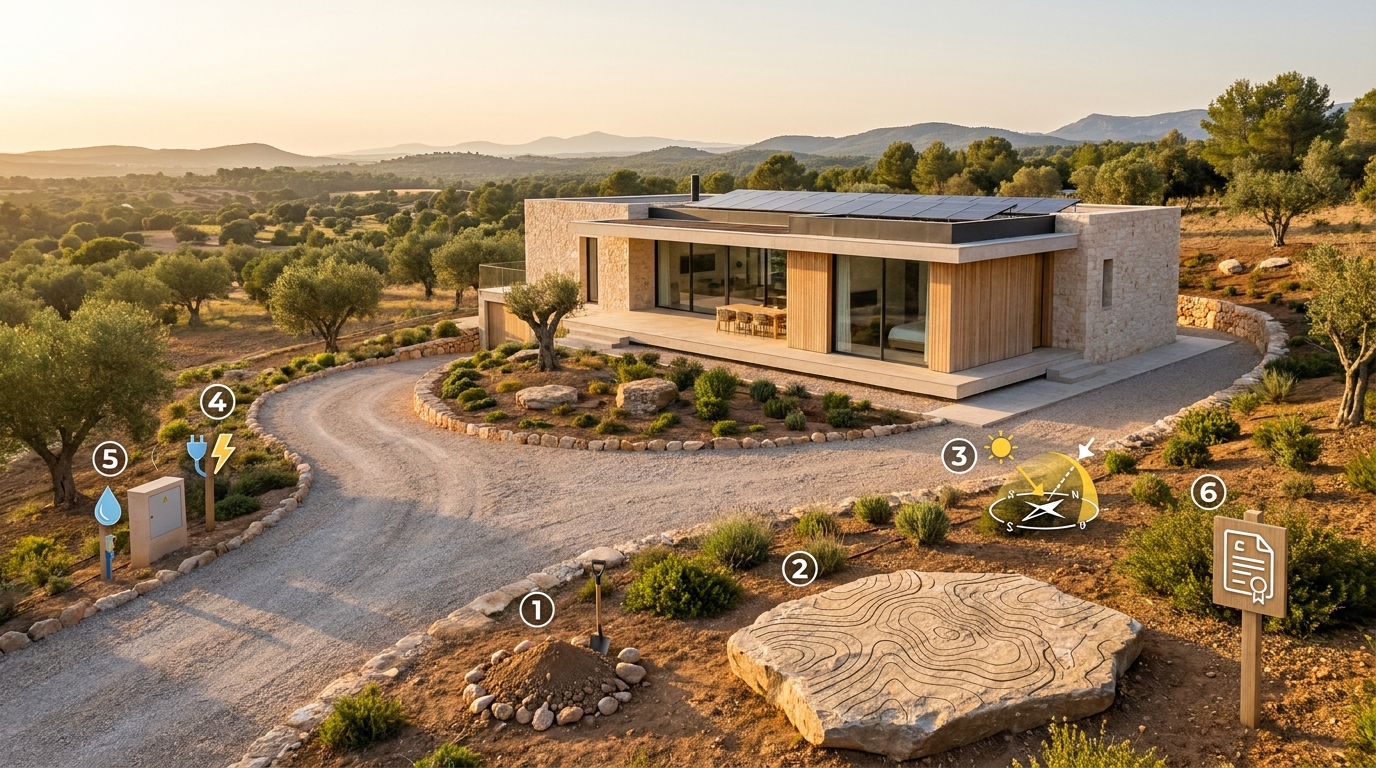
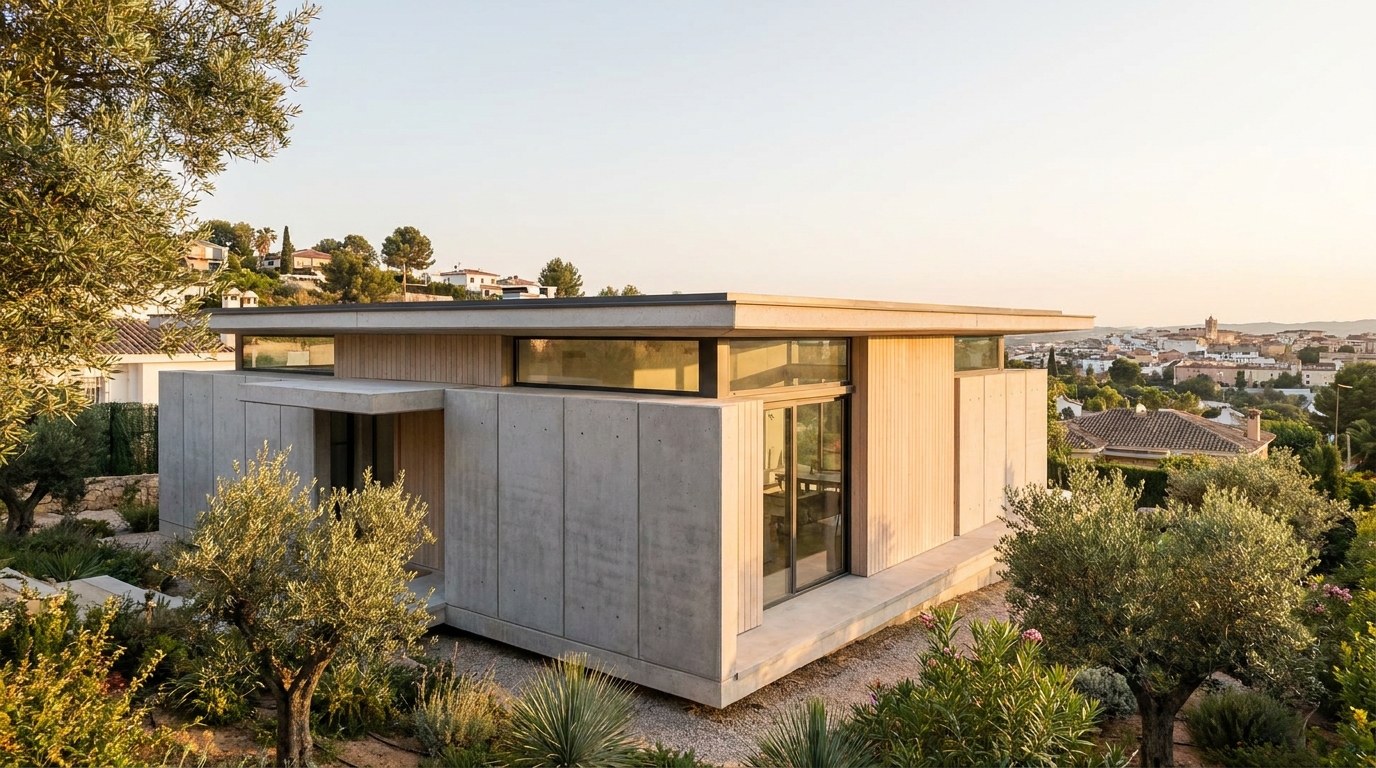
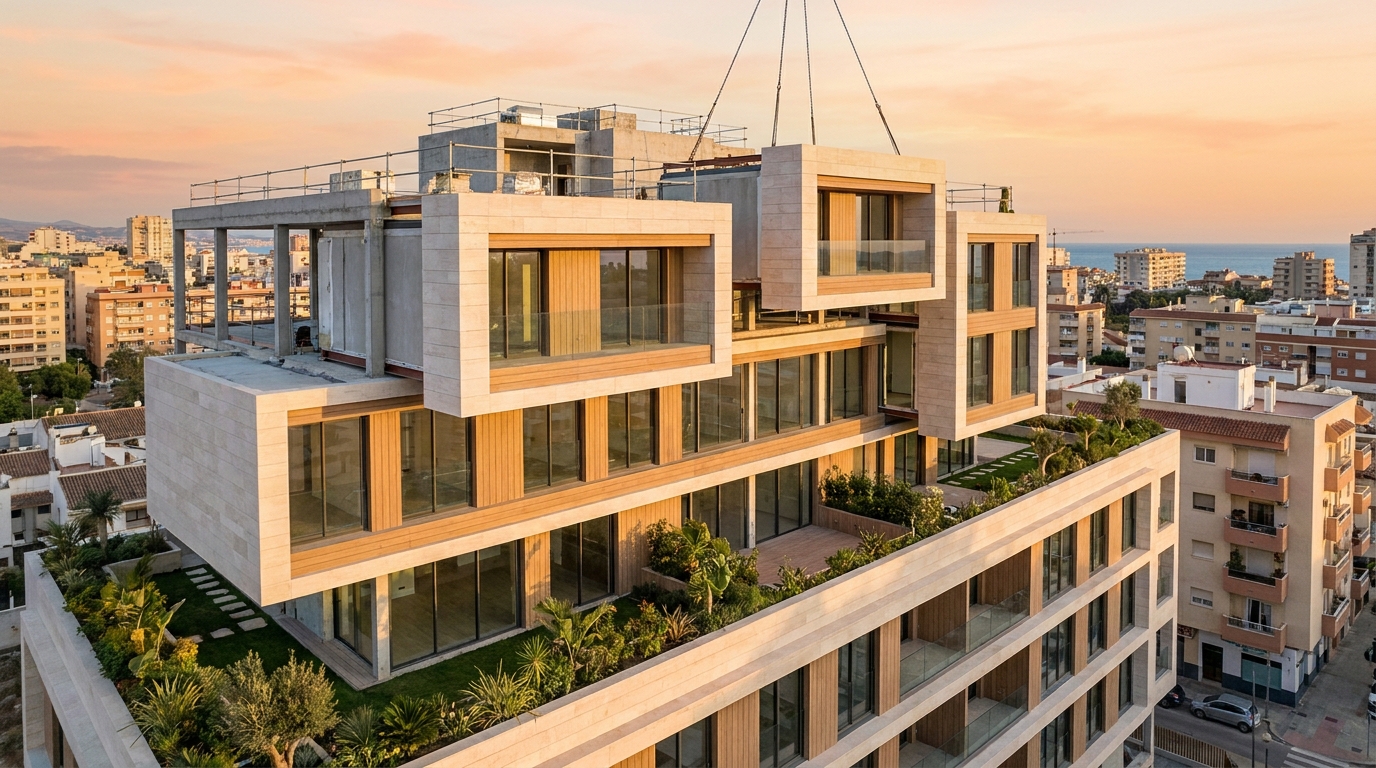
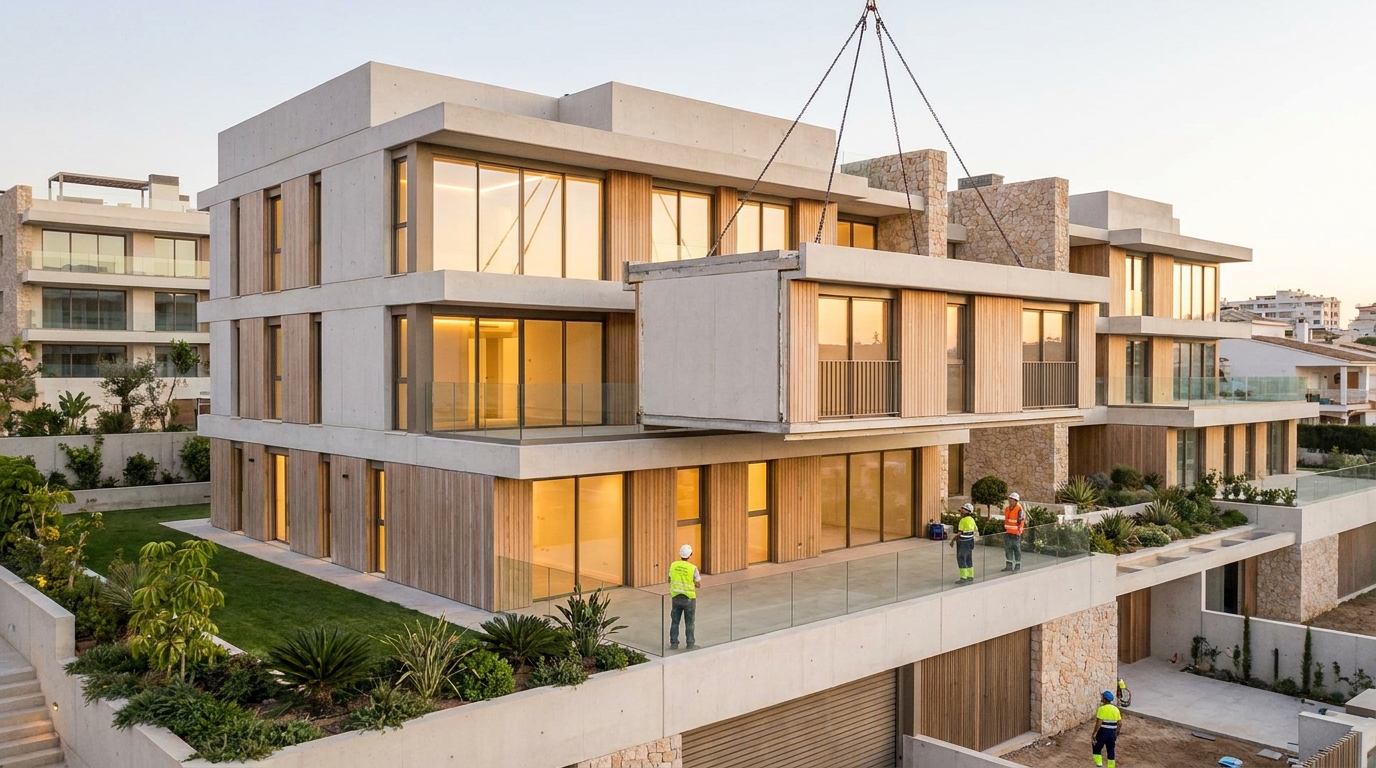
A detailed, data‑driven case study of a turnkey modular mid‑rise residential project in Spain that combines industrialized concrete and light timber framing, achieved Passivhaus‑level efficiency, met deadlines and secured autopromoter financing.
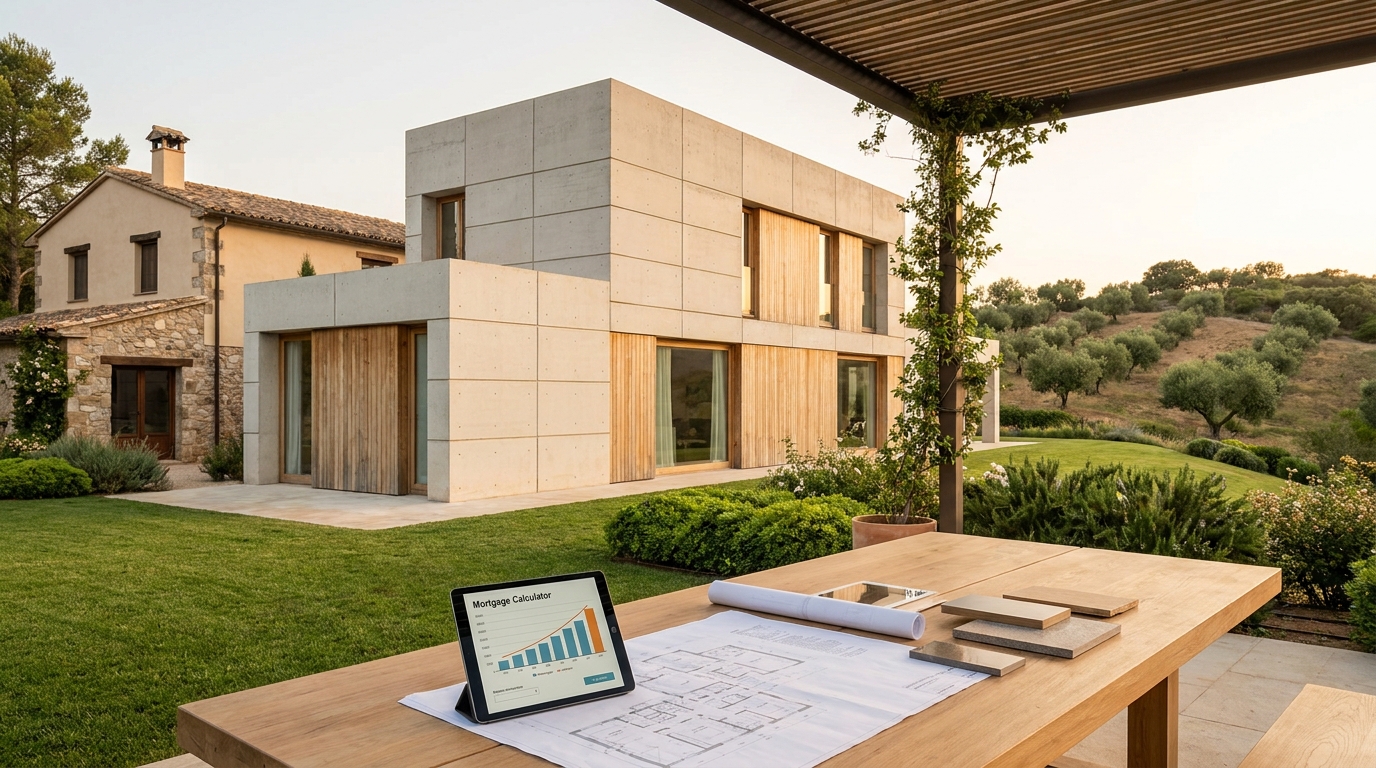
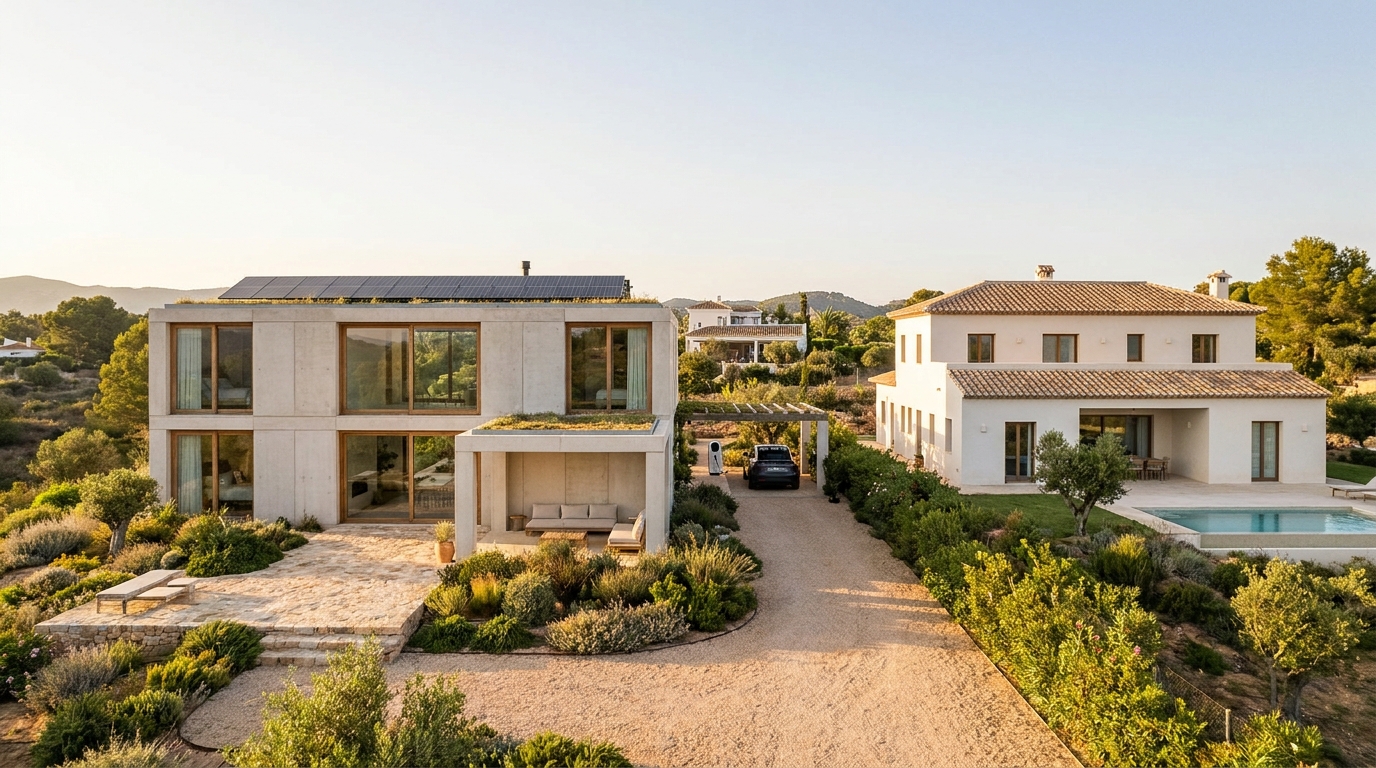
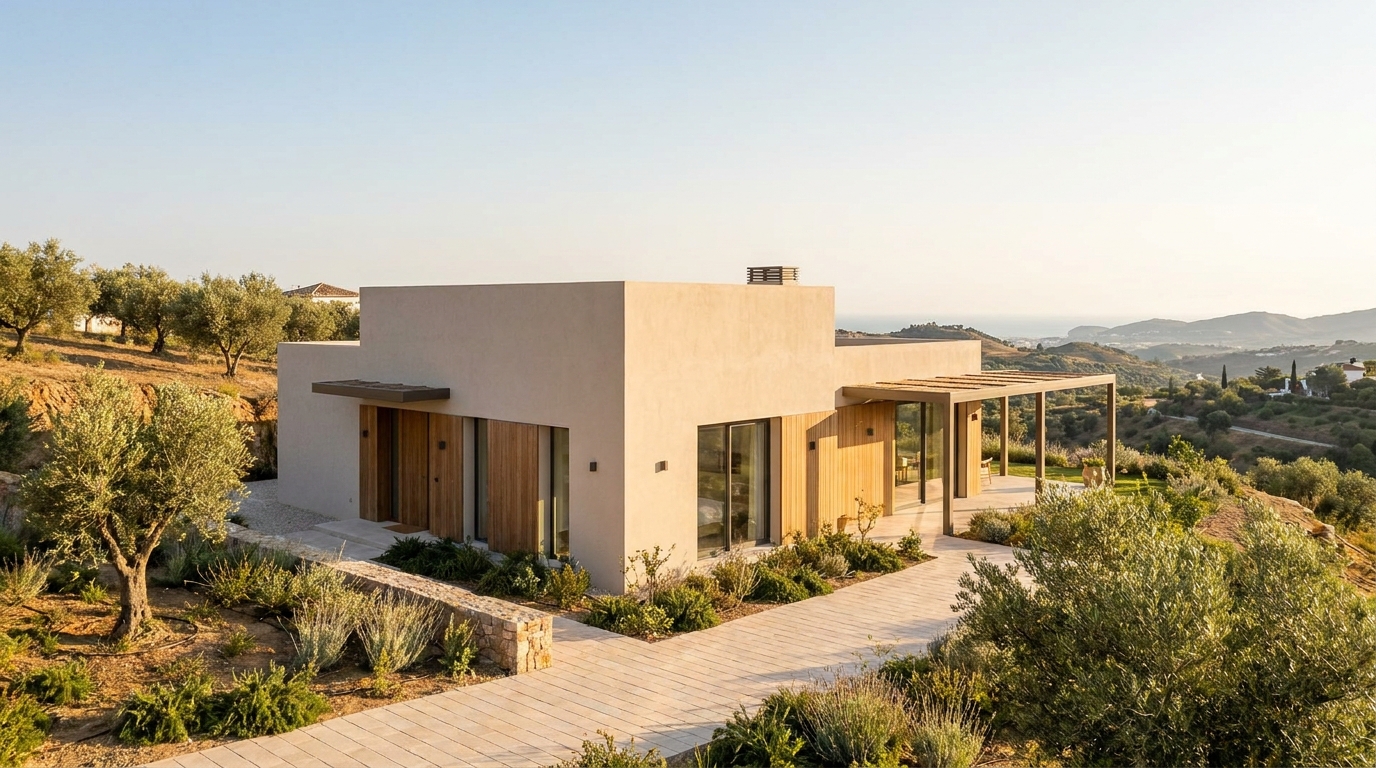
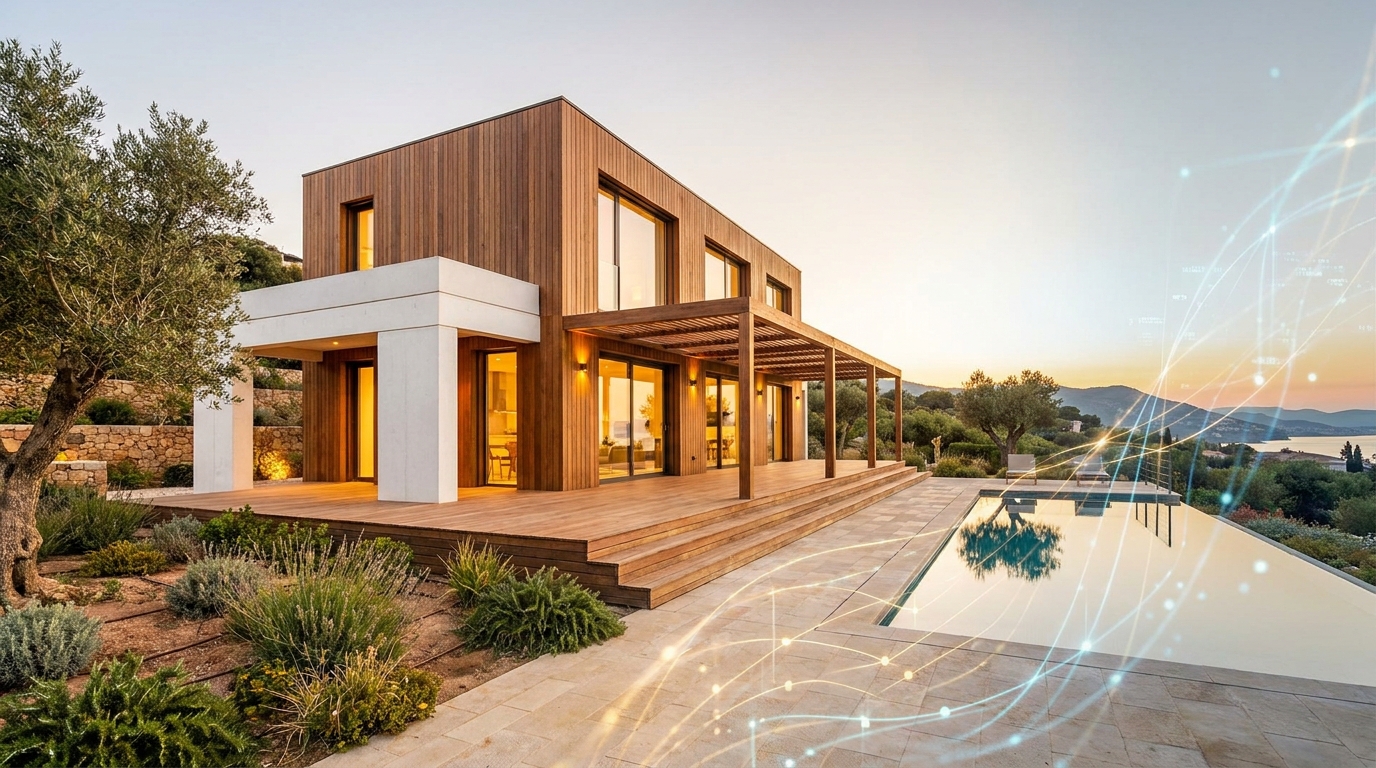
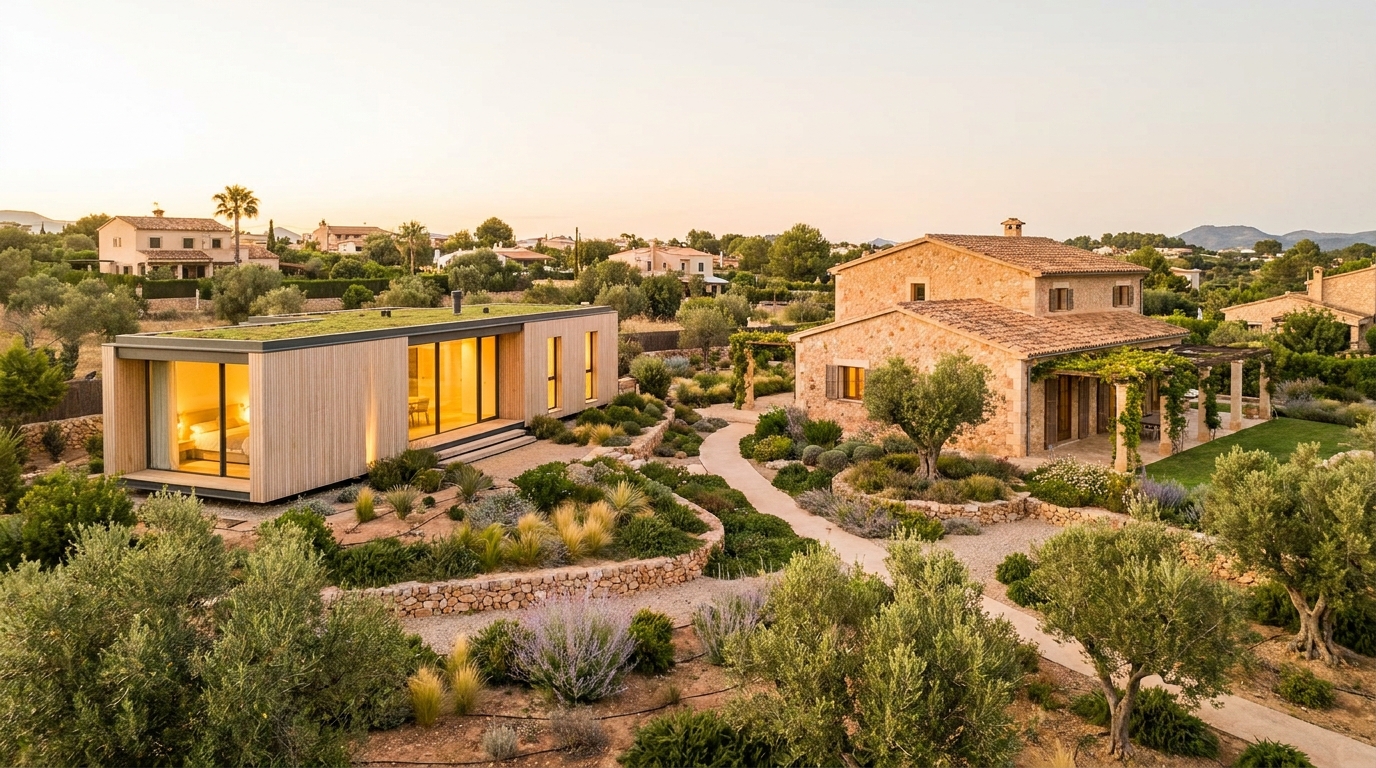
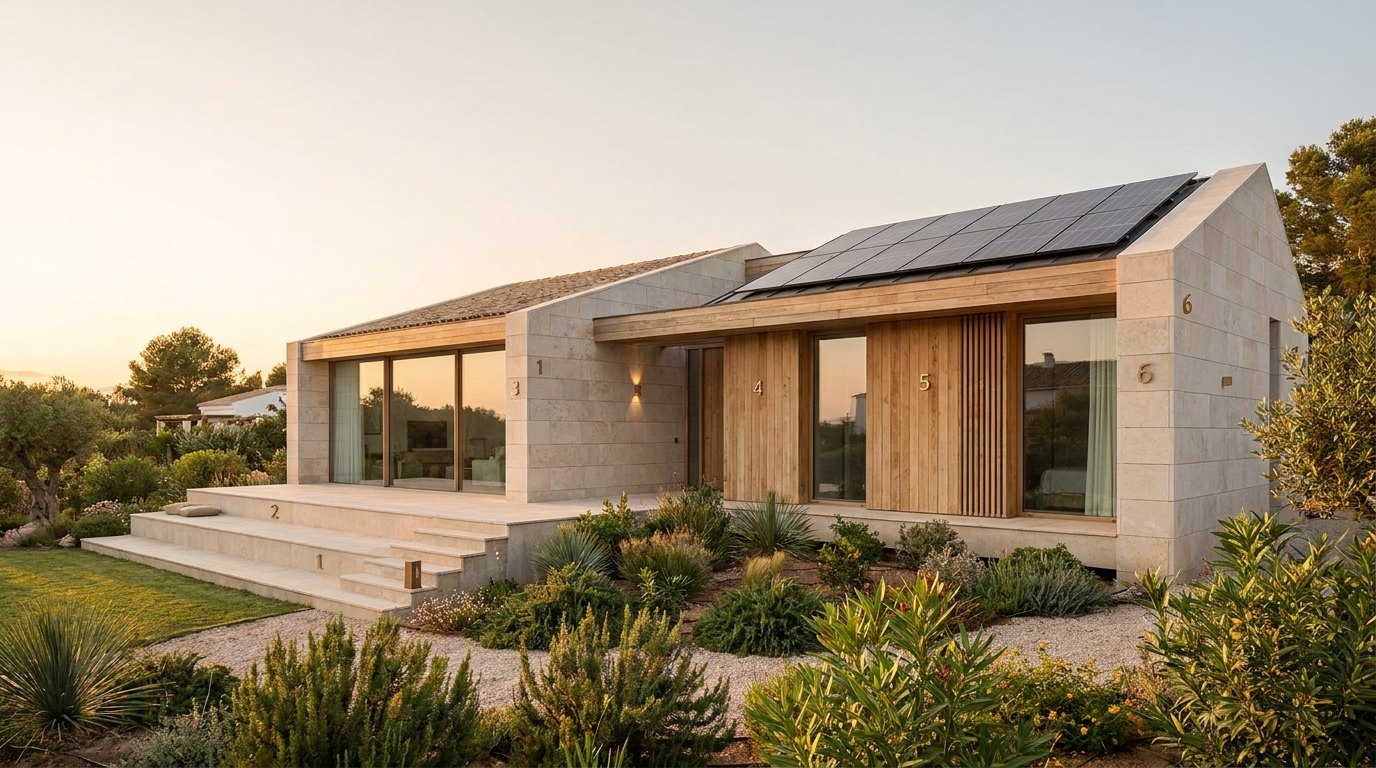

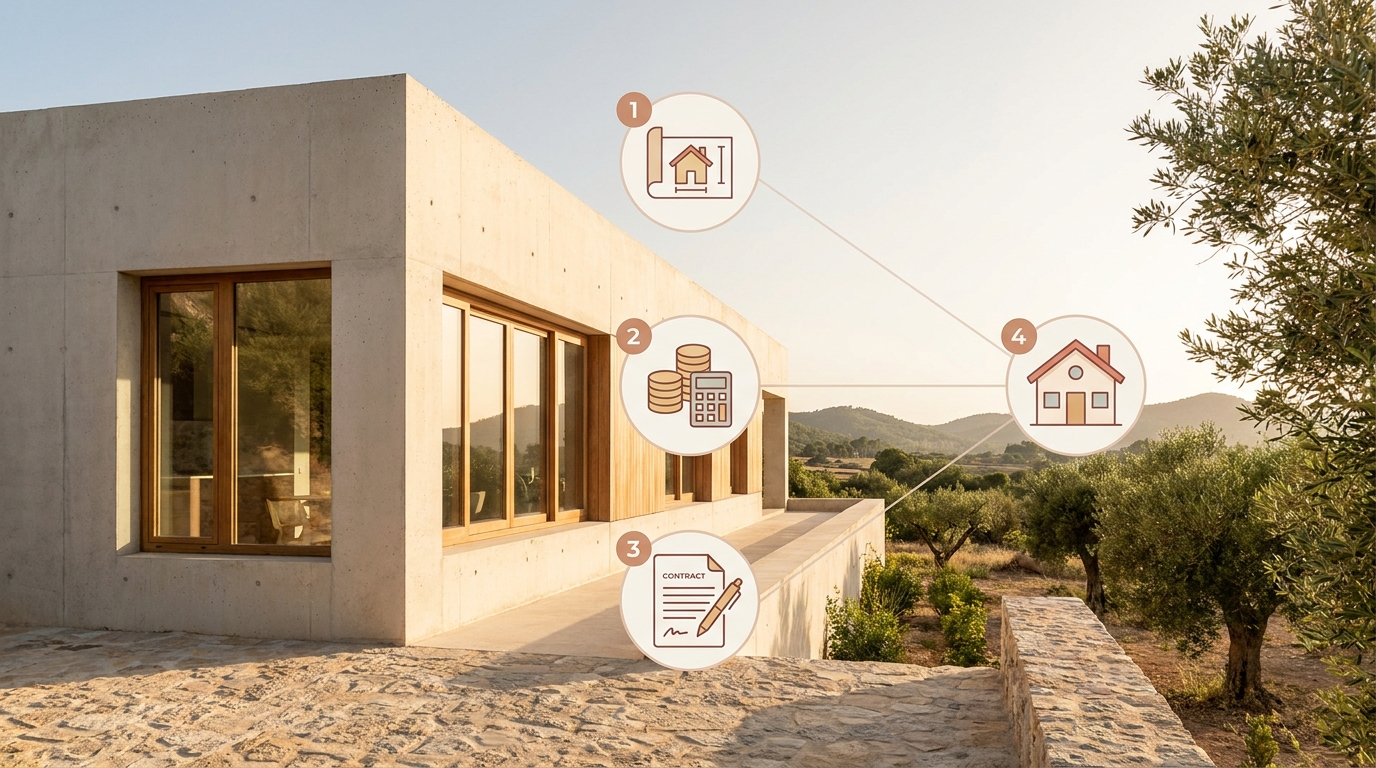
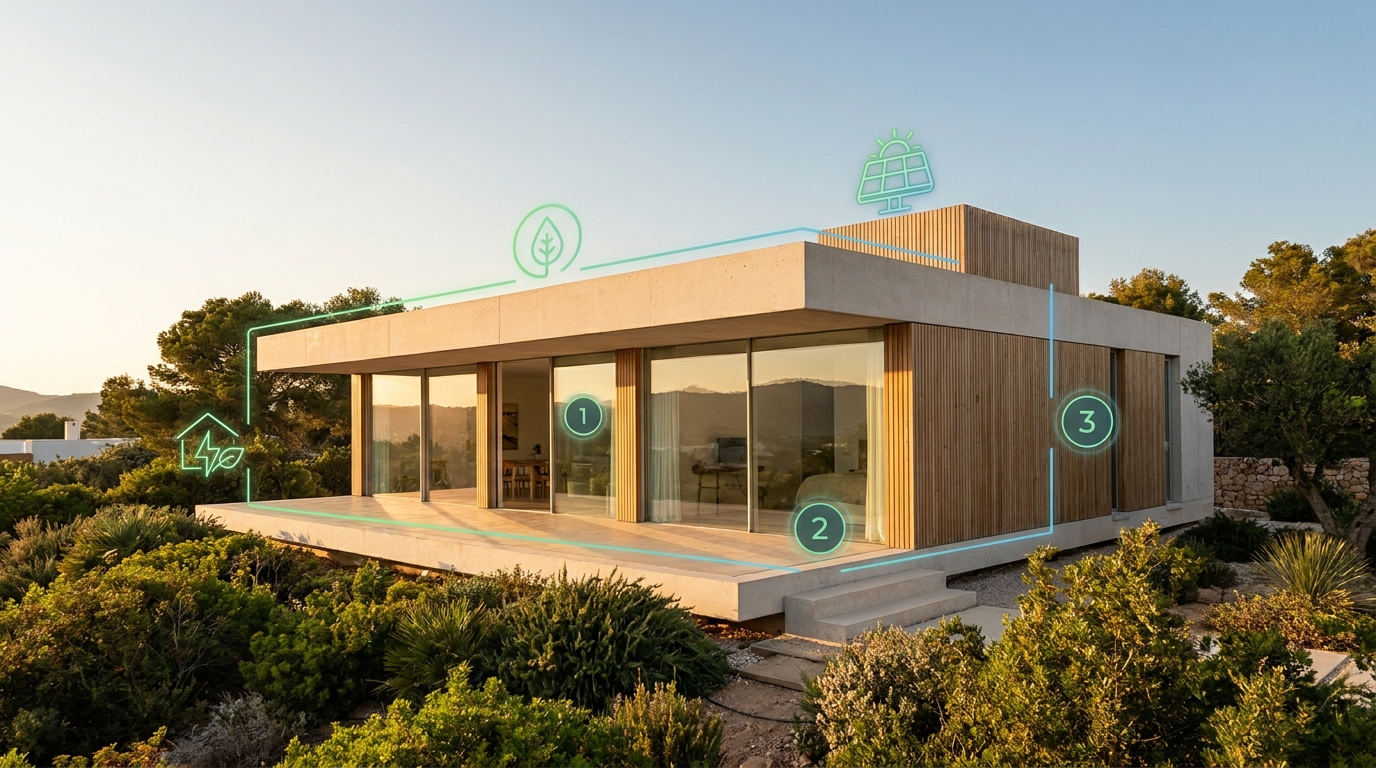
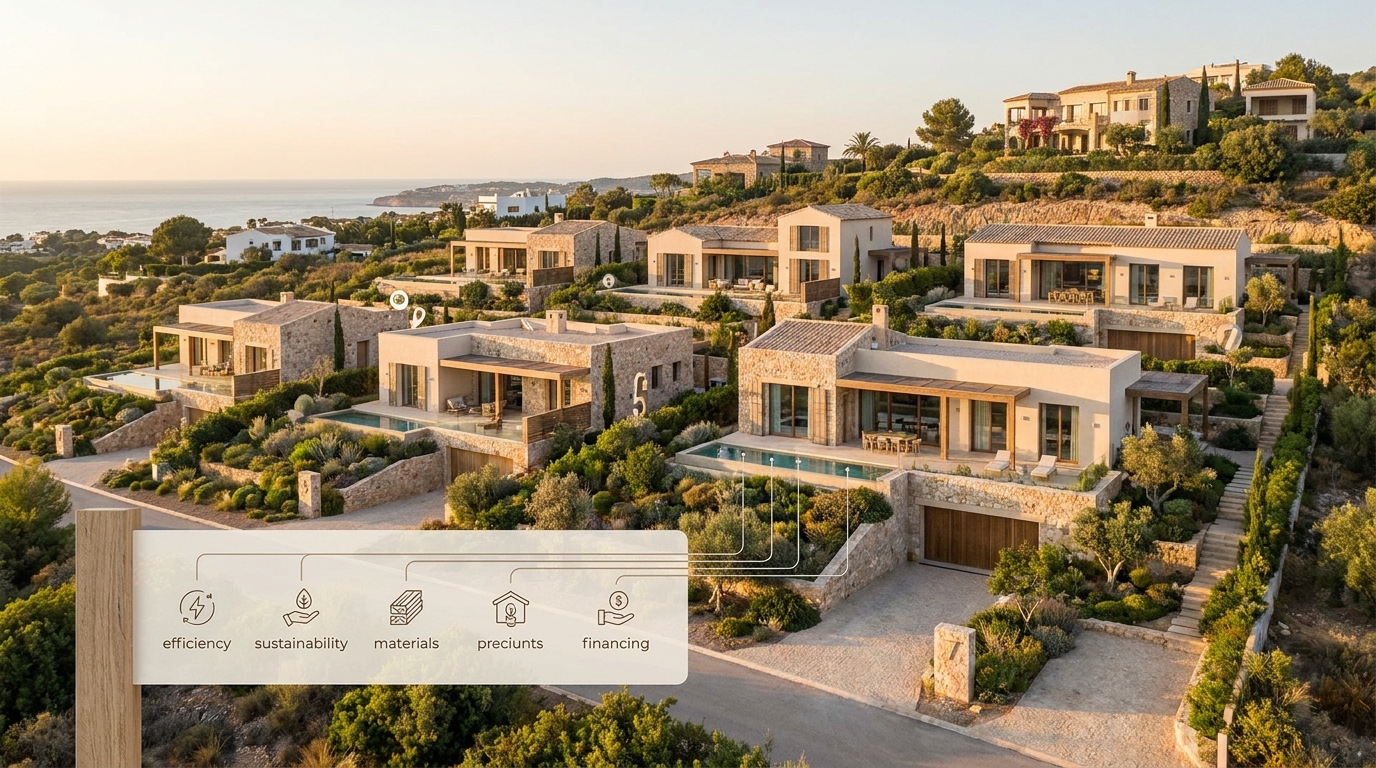
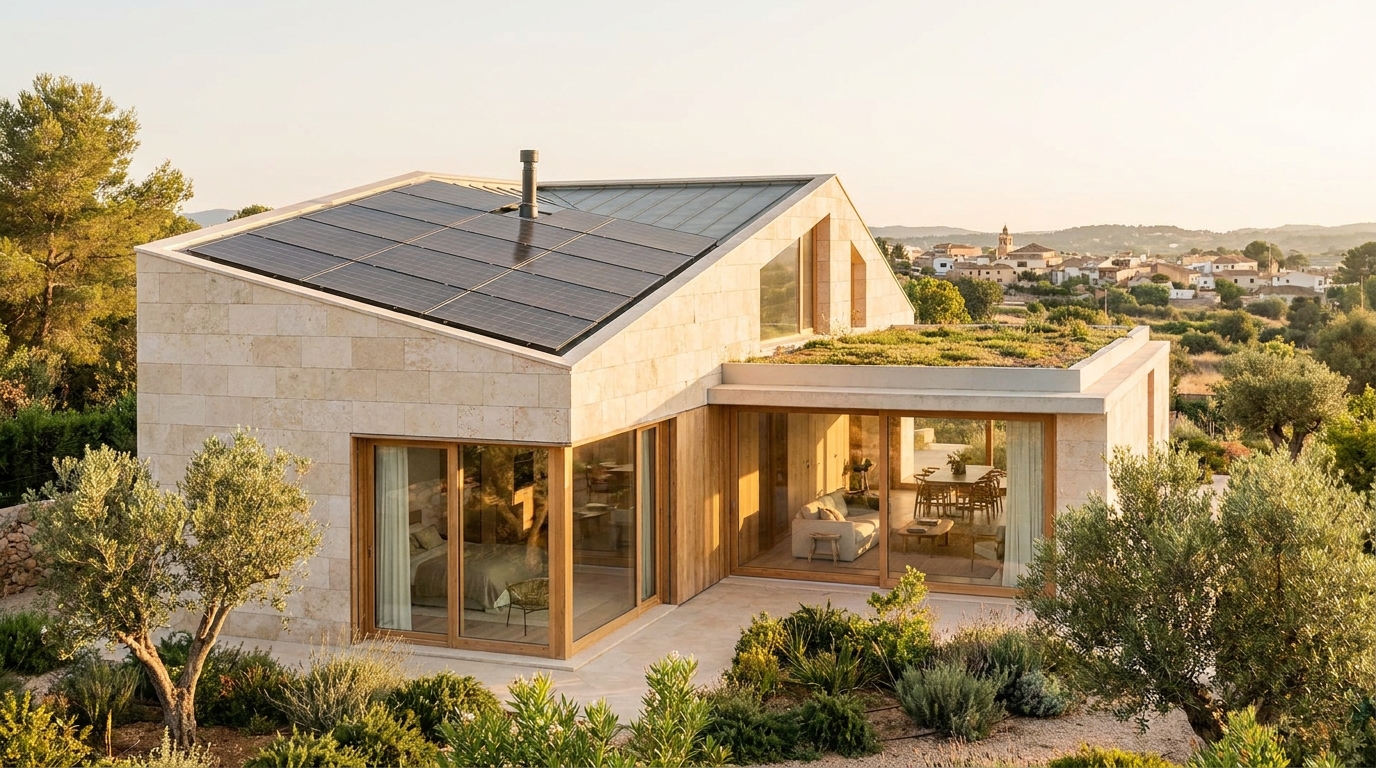
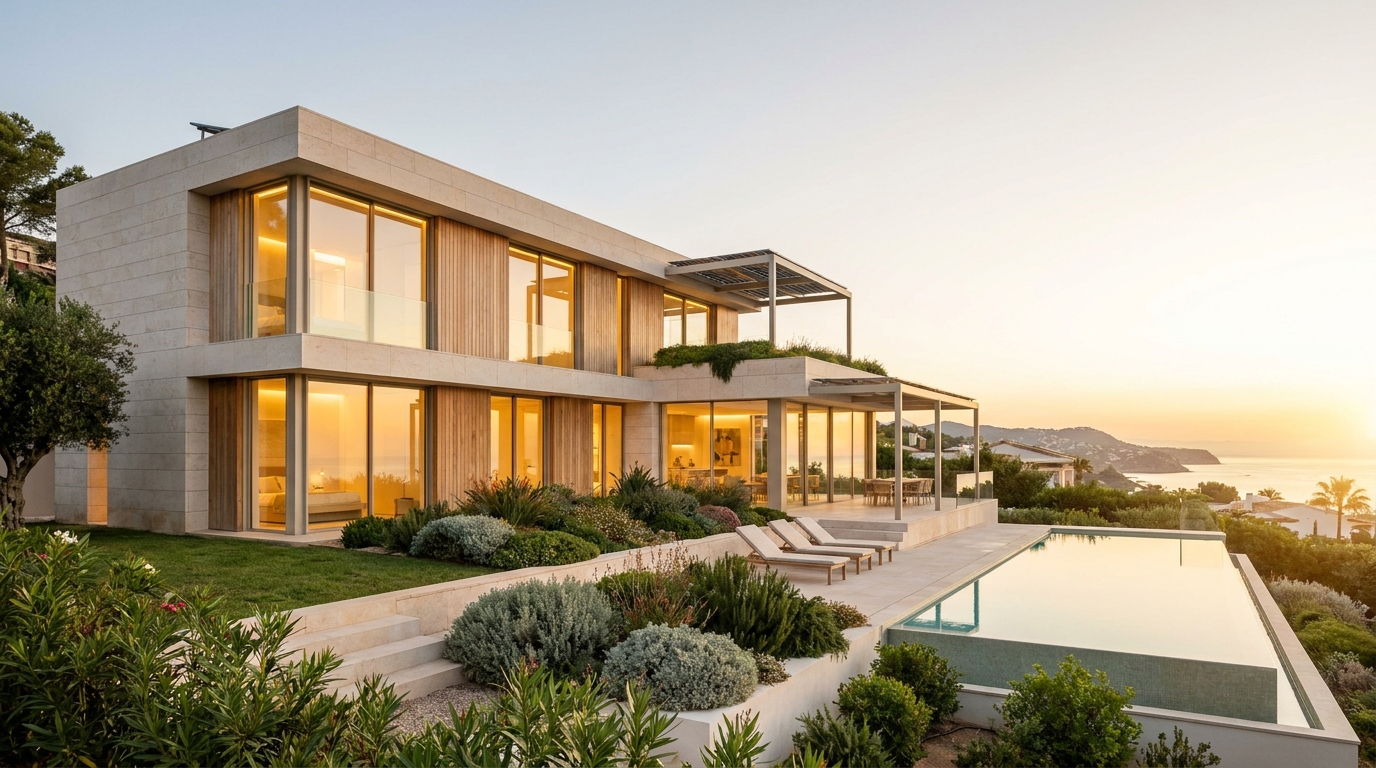
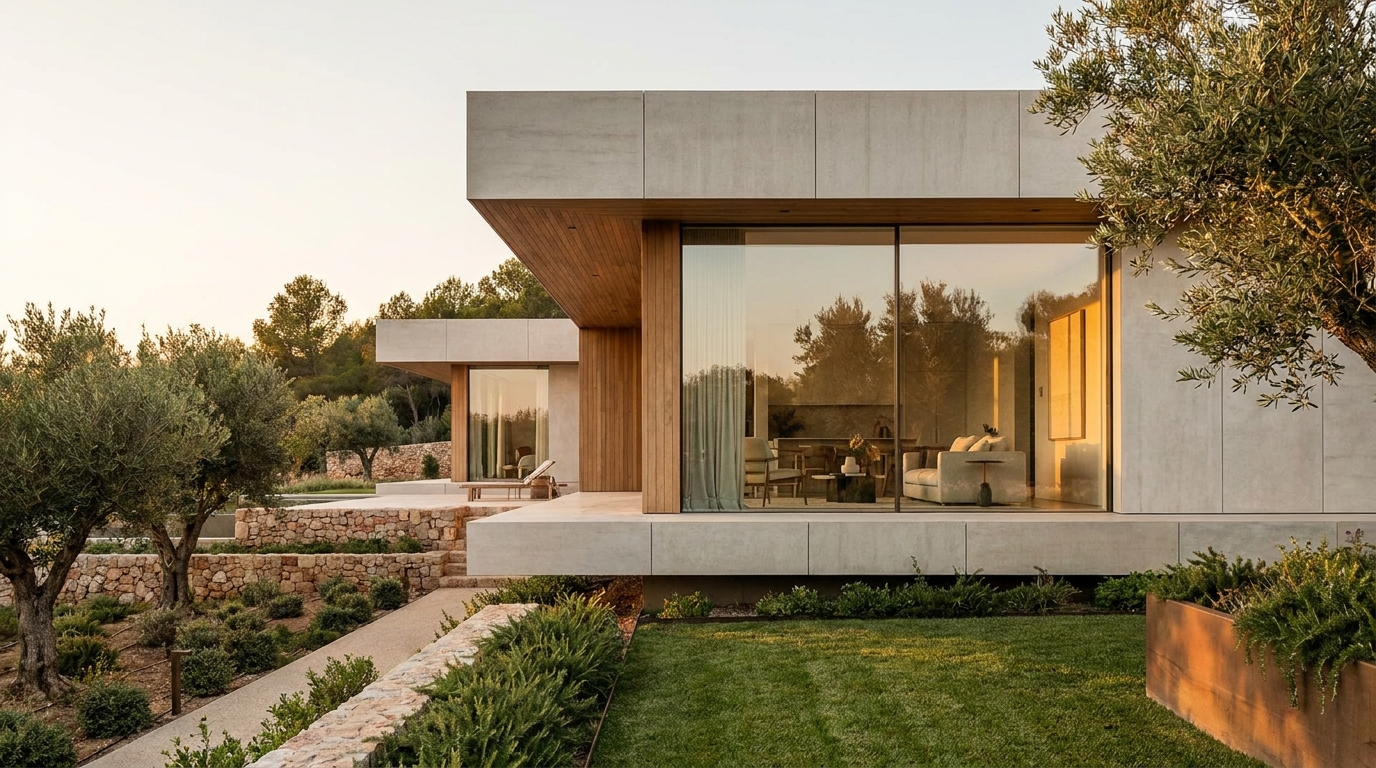
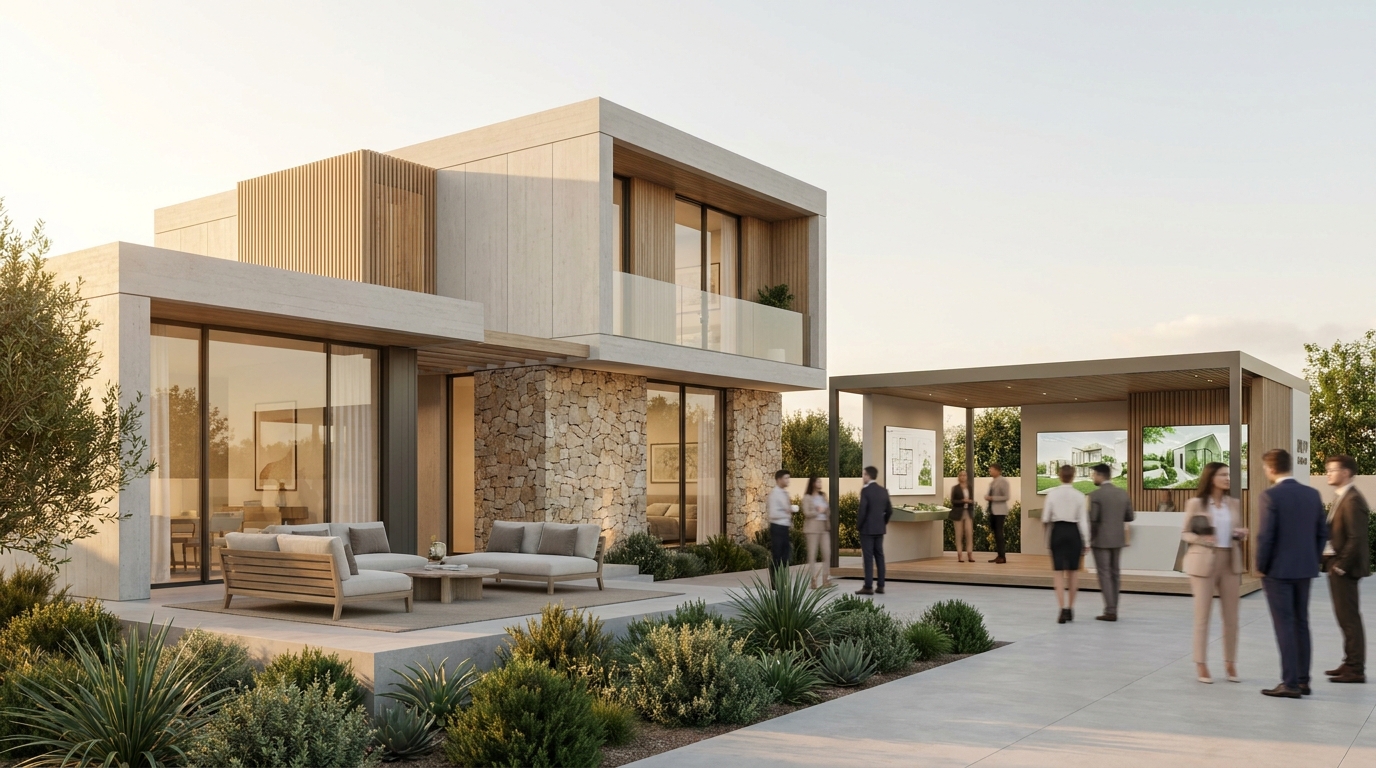
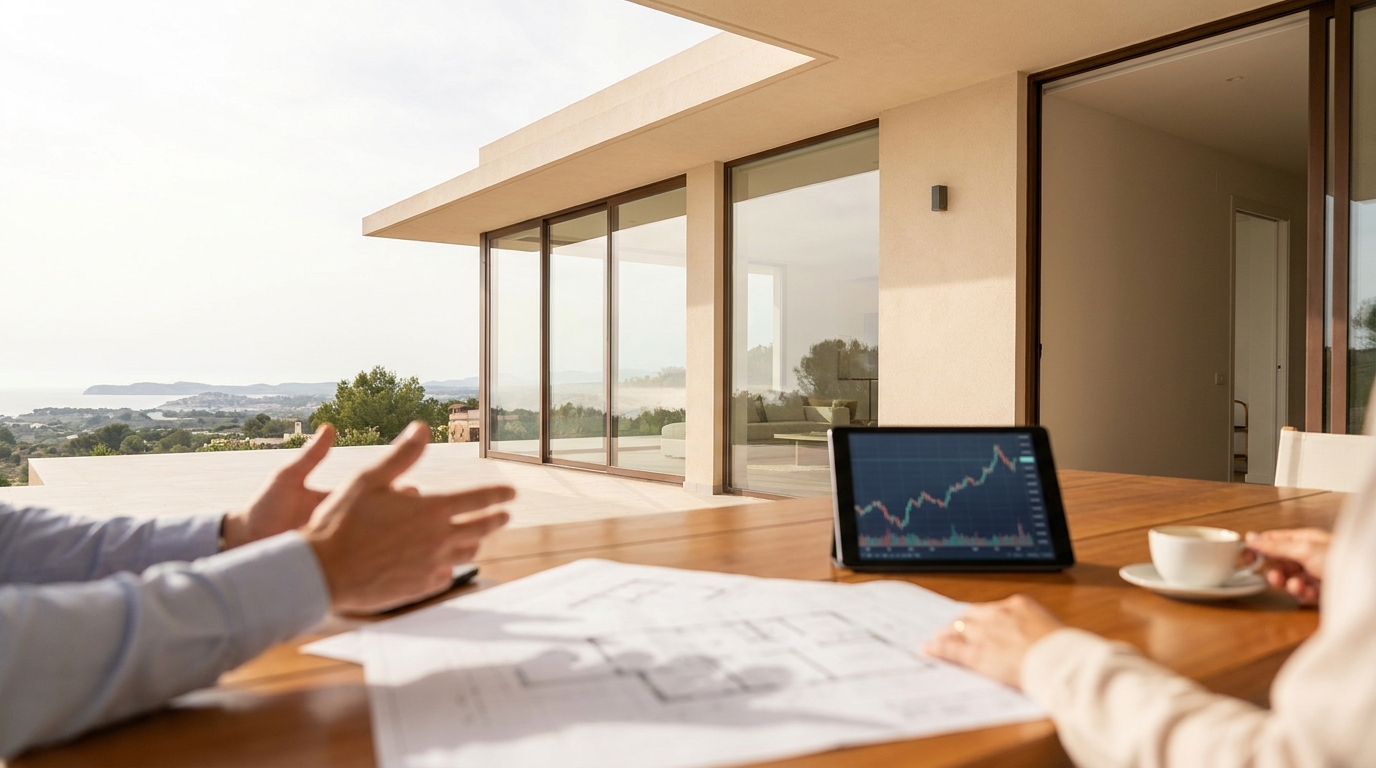
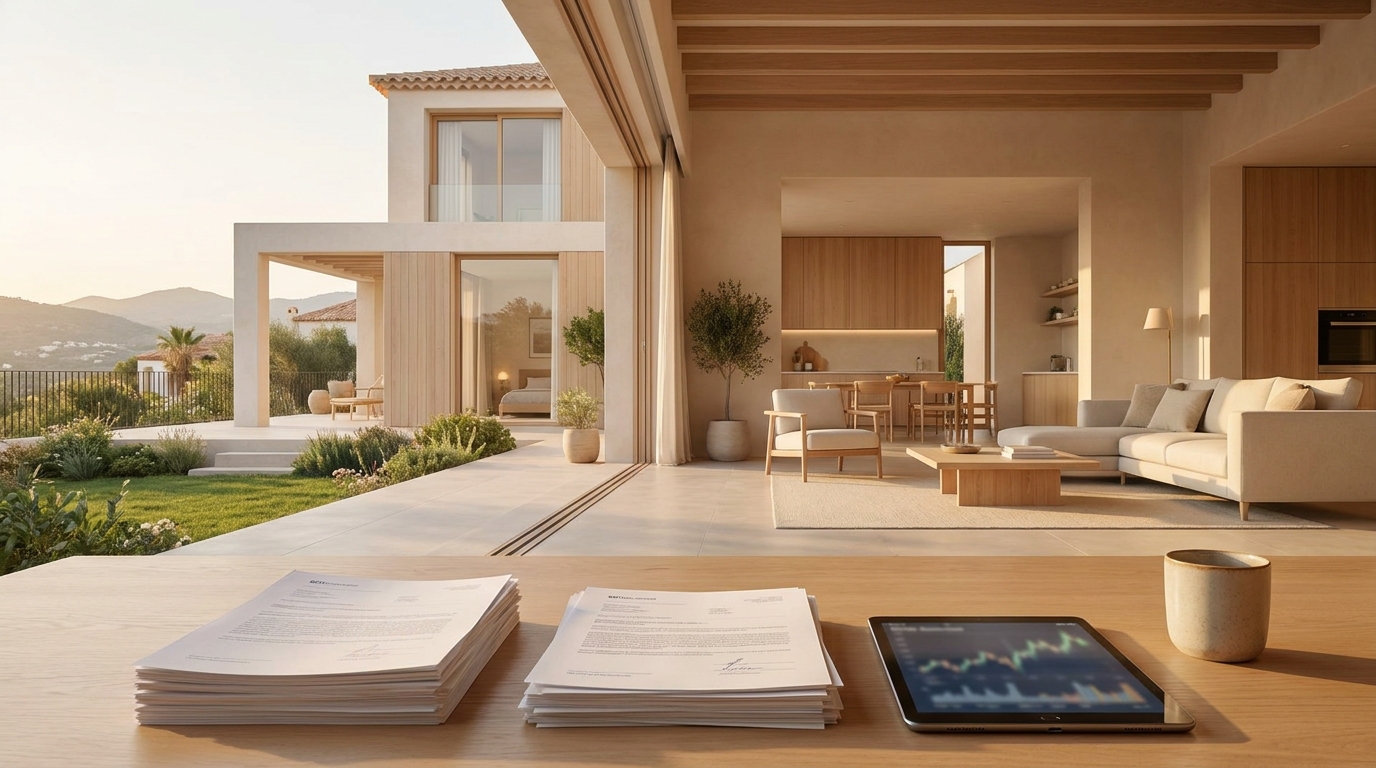
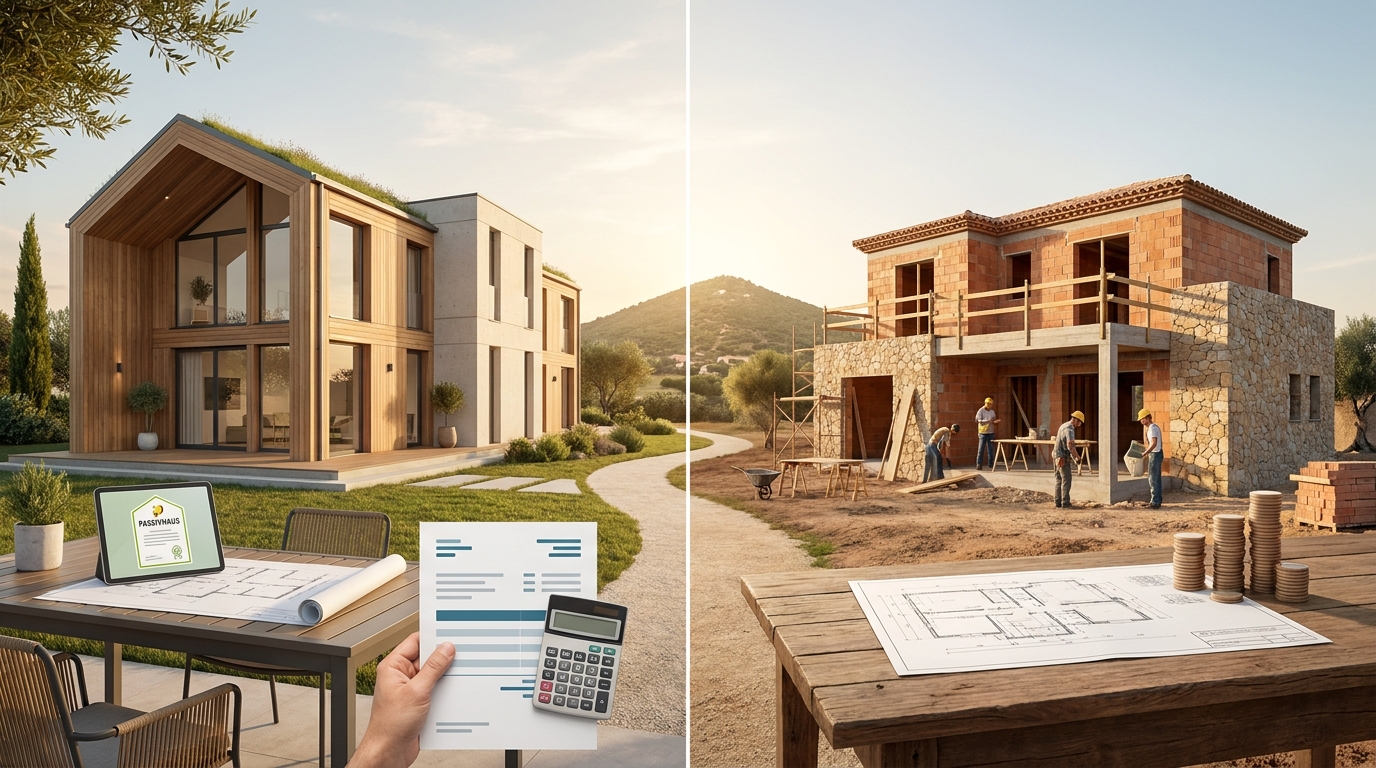
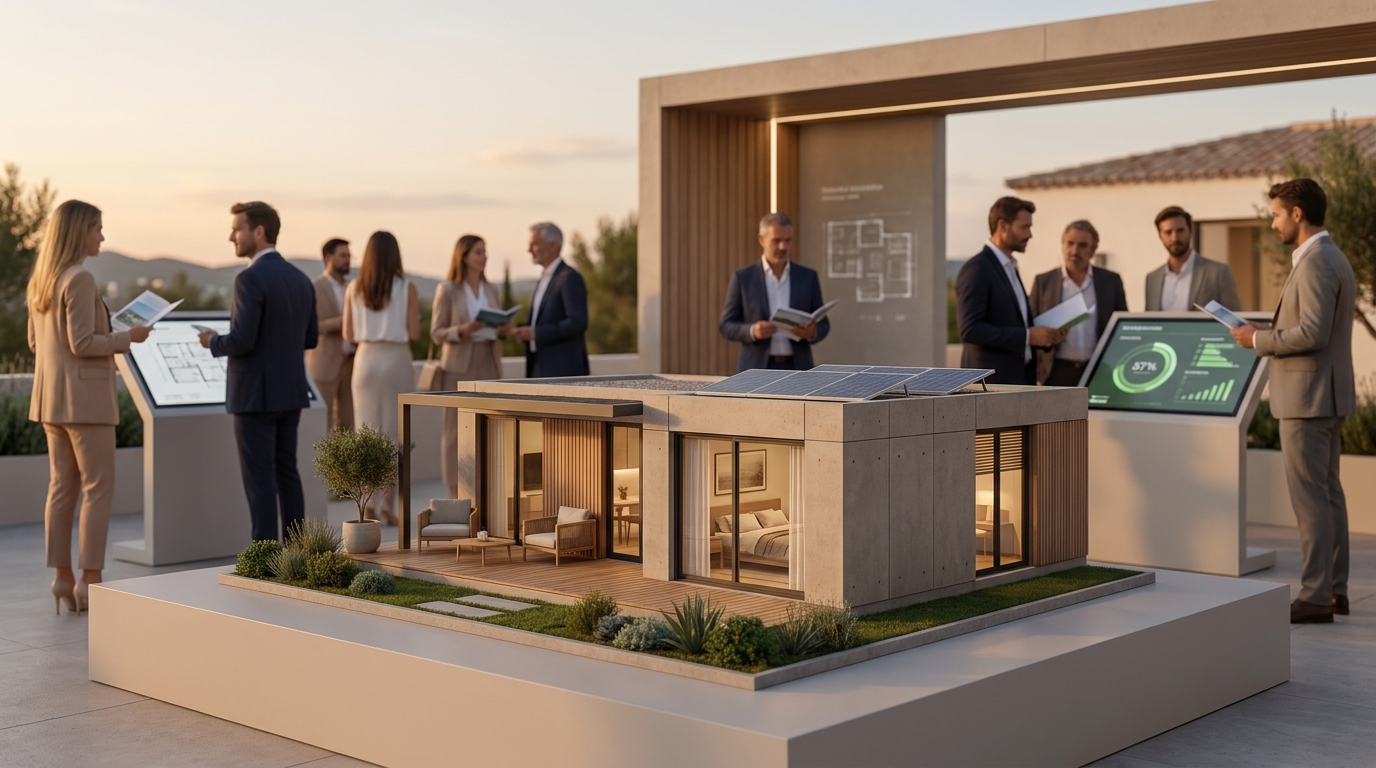
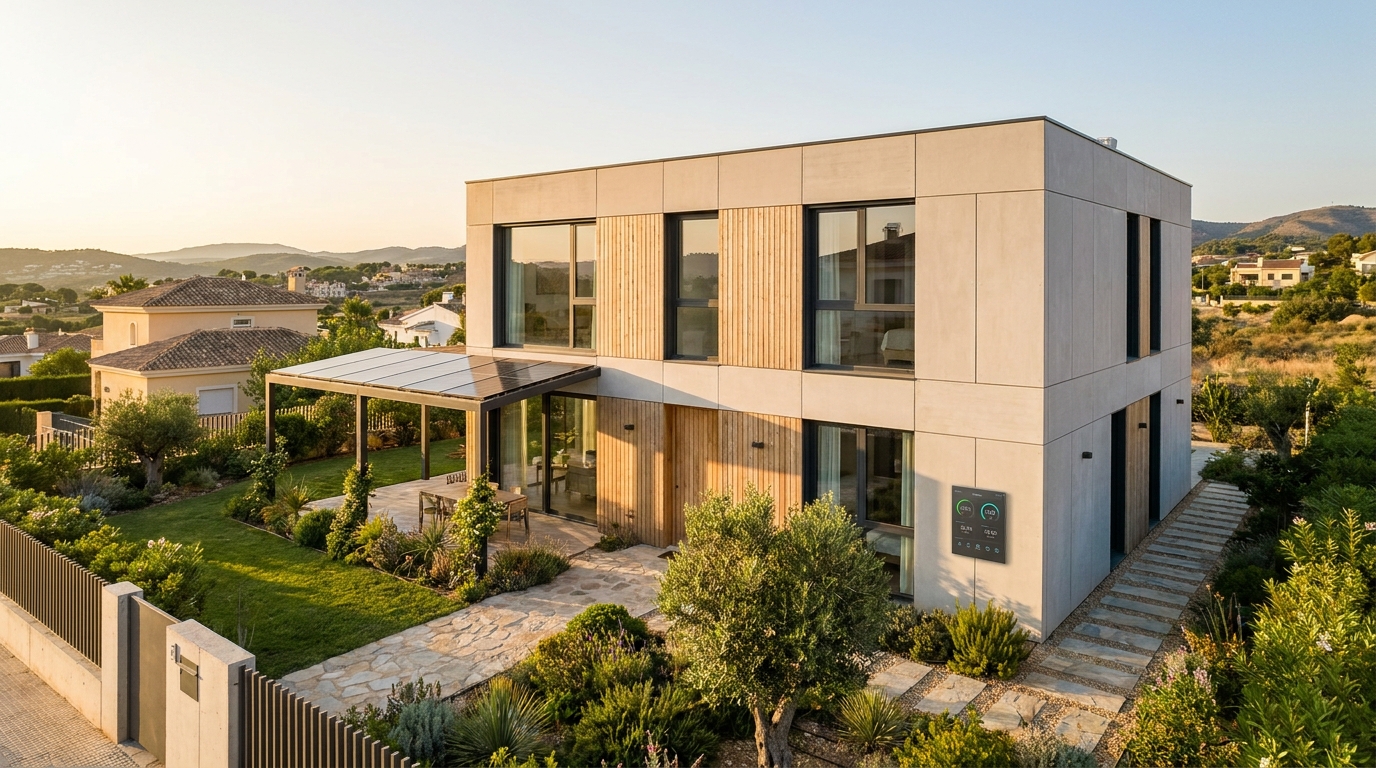
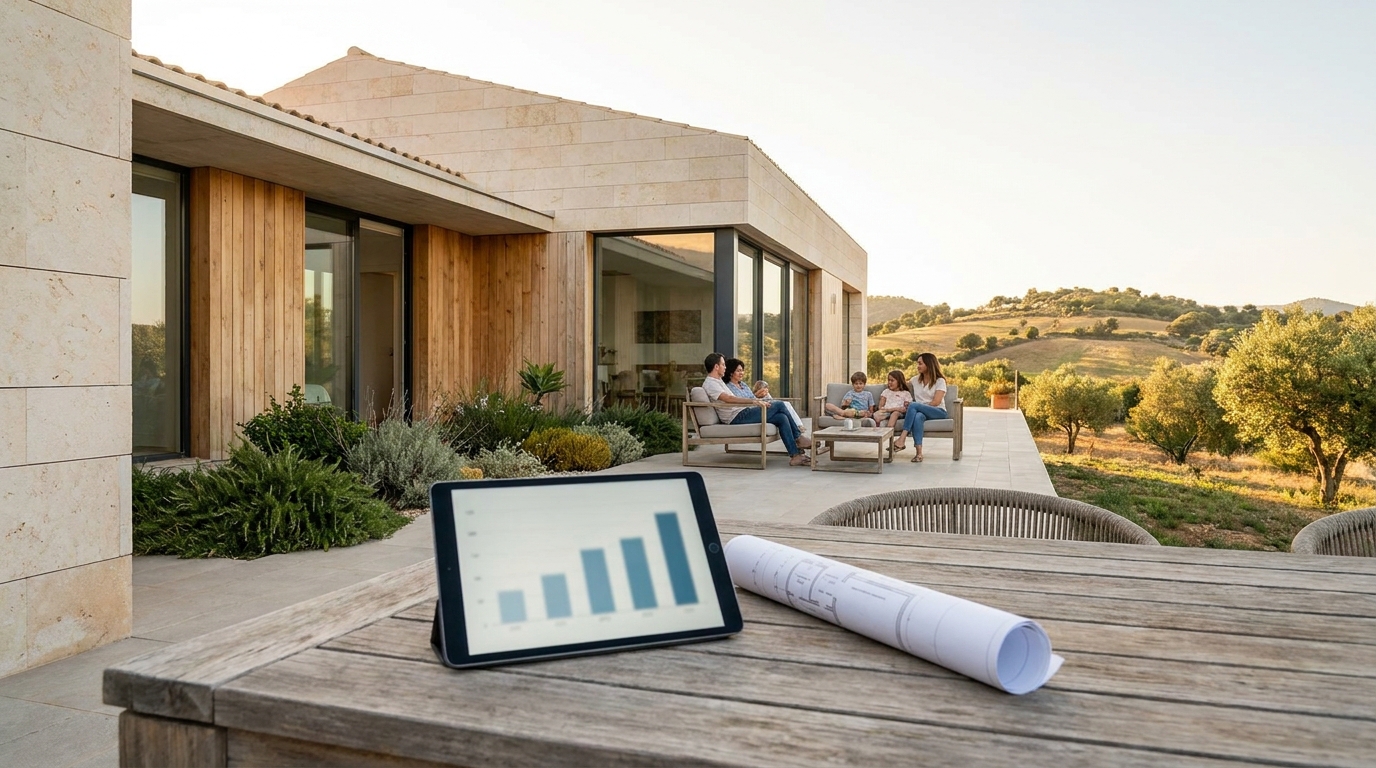
A family in Spain moved into a Passivhaus industrialized home in under a year — fixed price, measured performance, and living comfort that transformed daily life. This case study breaks down choices, timelines, costs and practical lessons for self-builders.
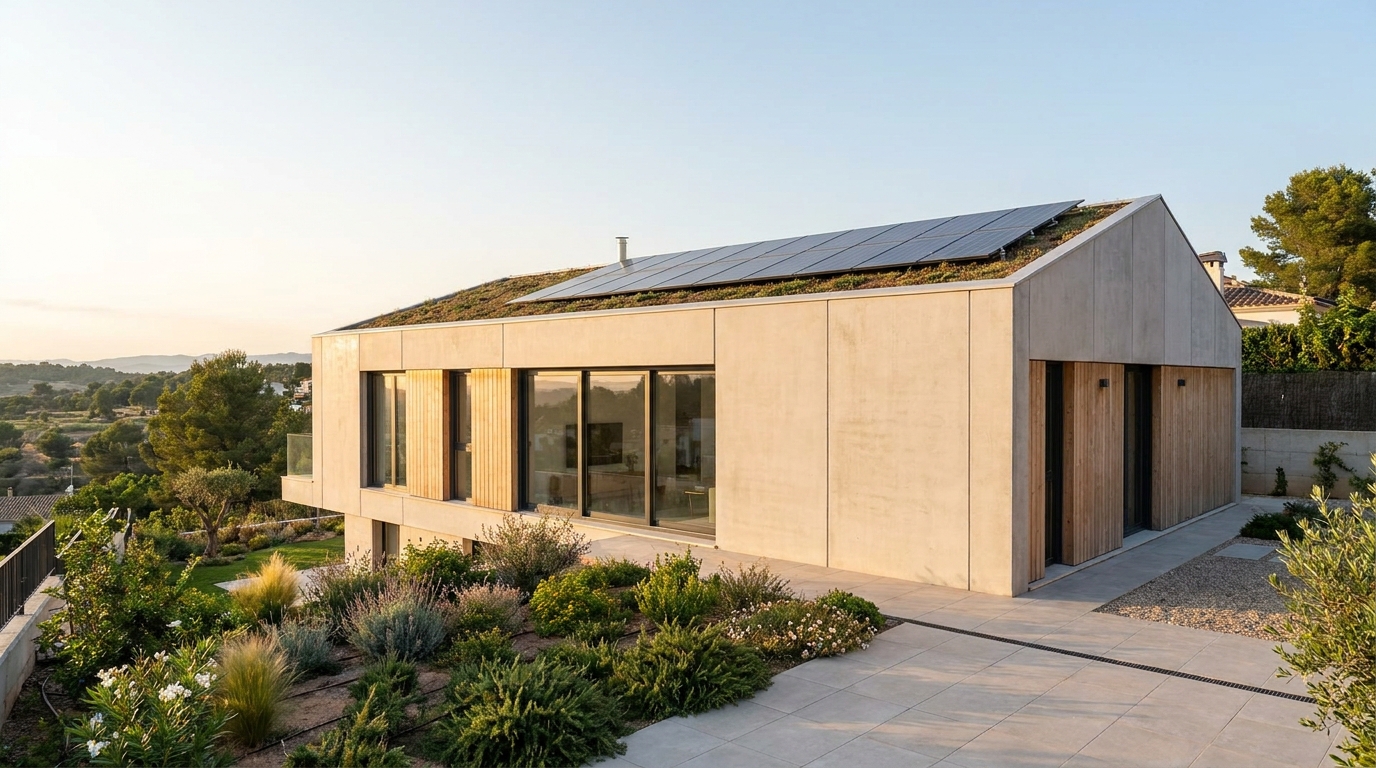
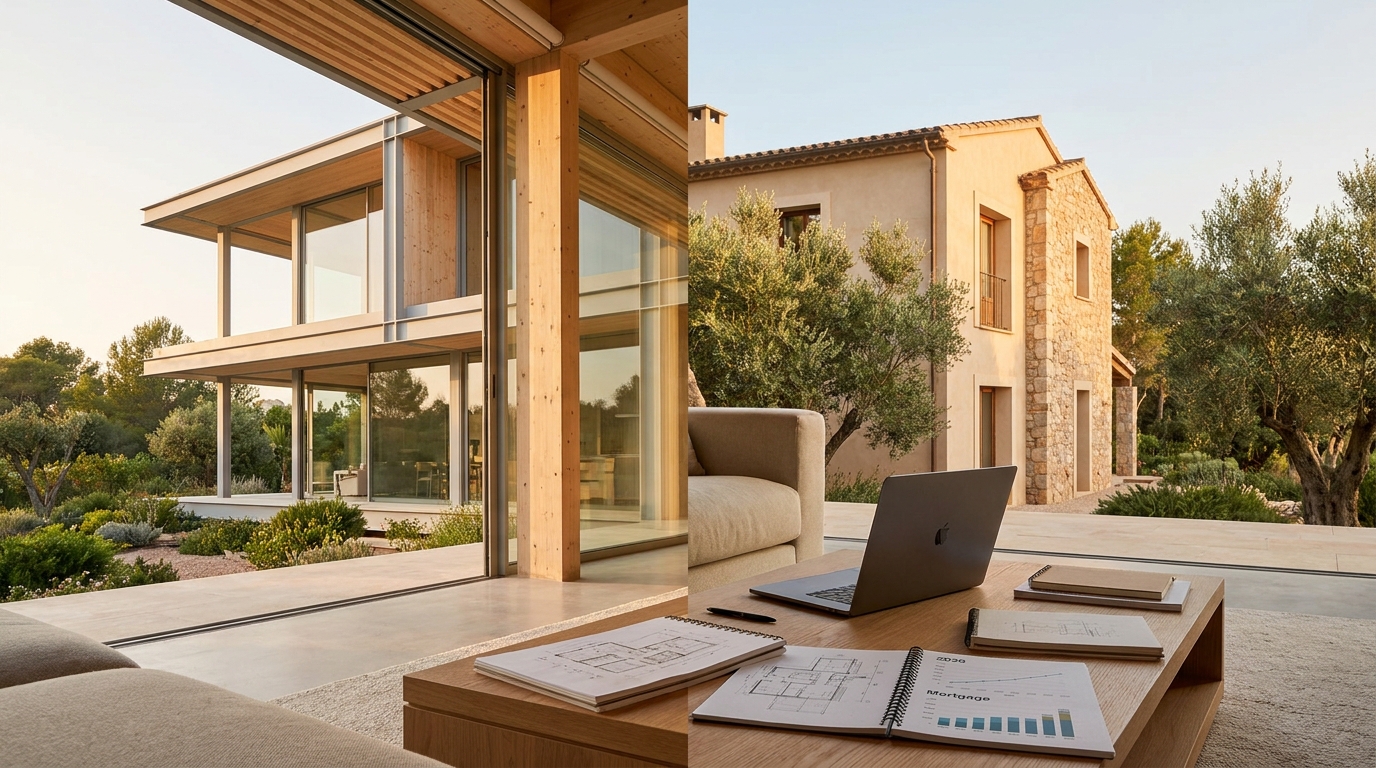
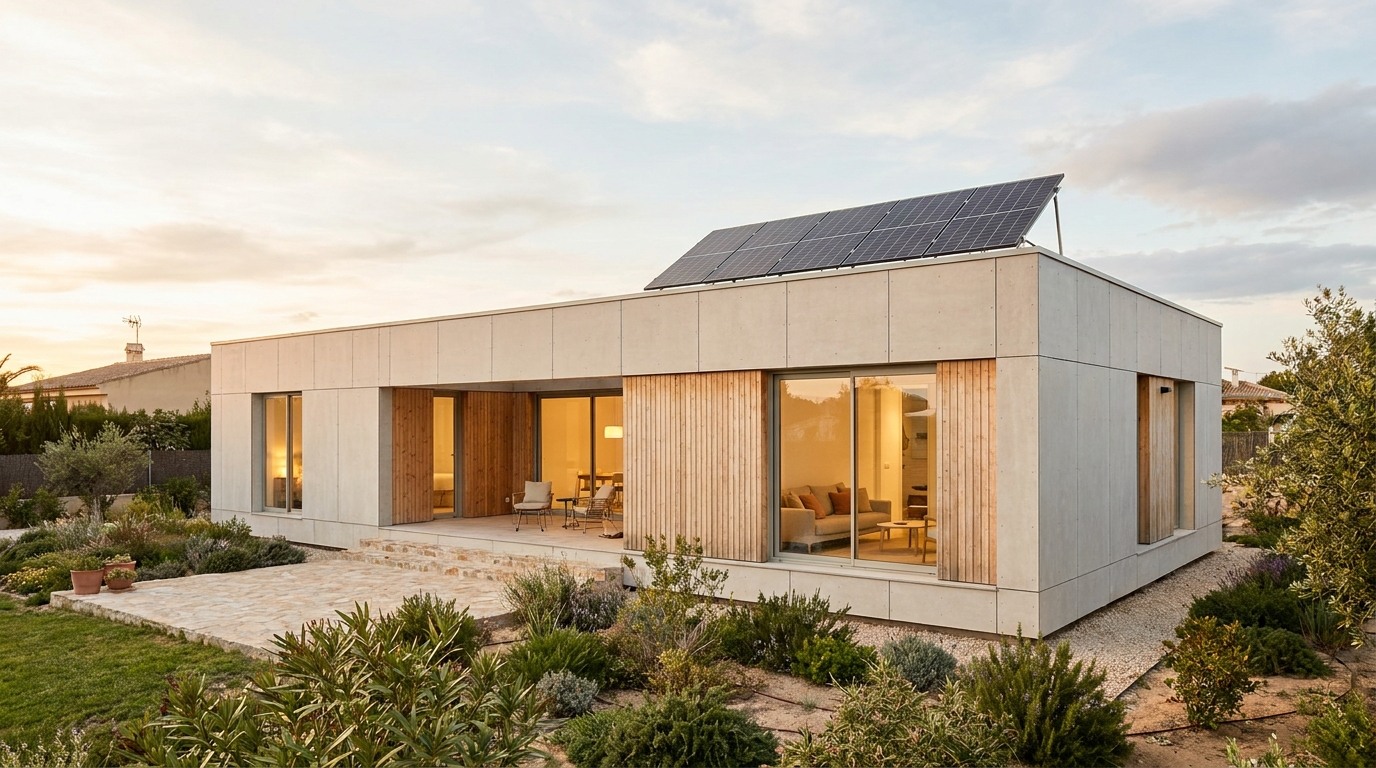
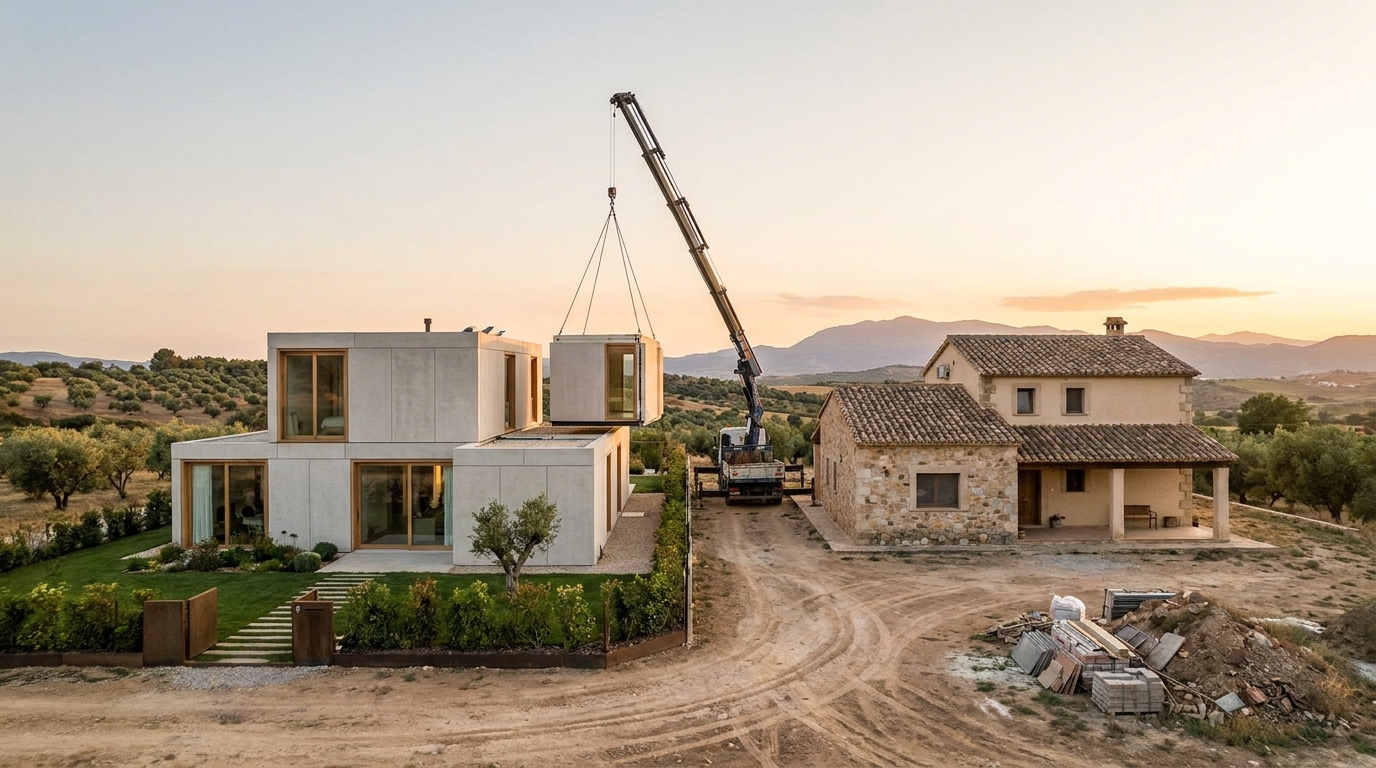
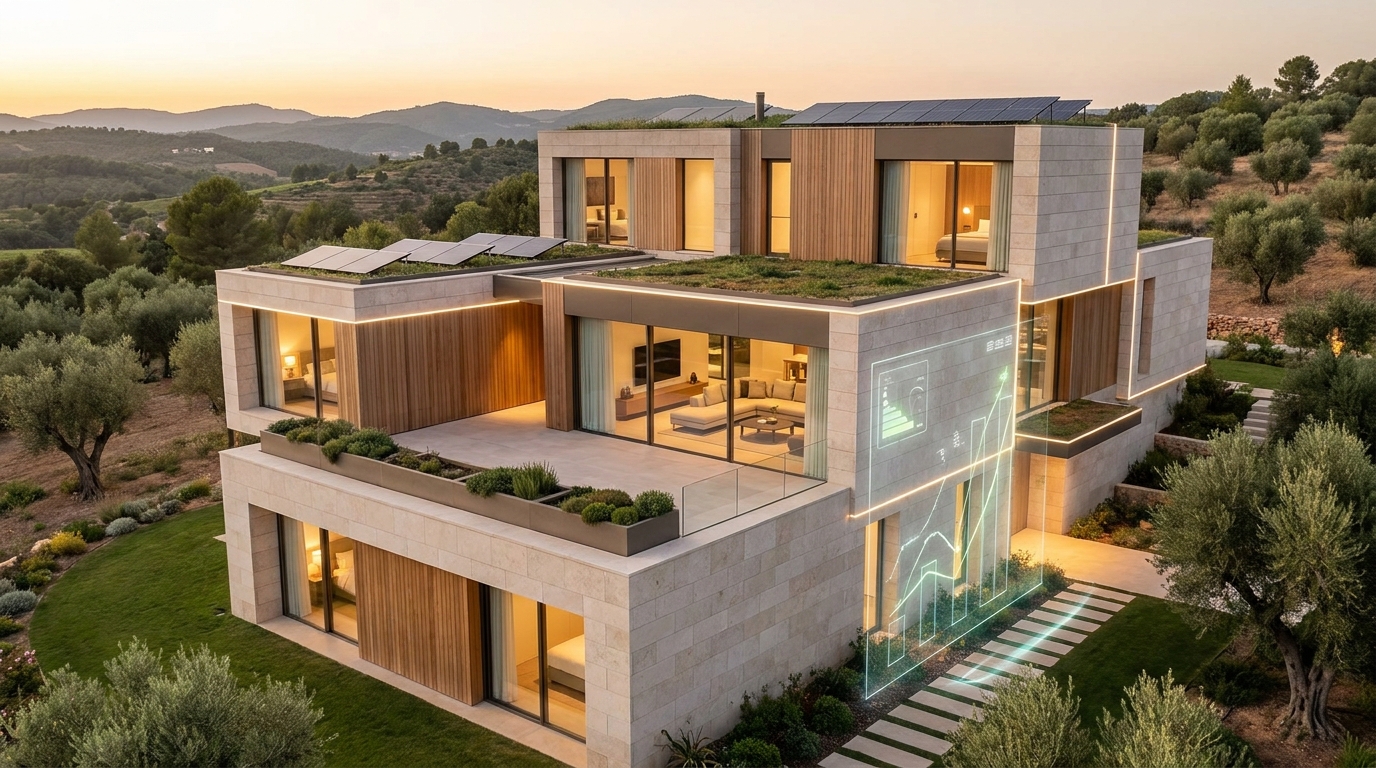
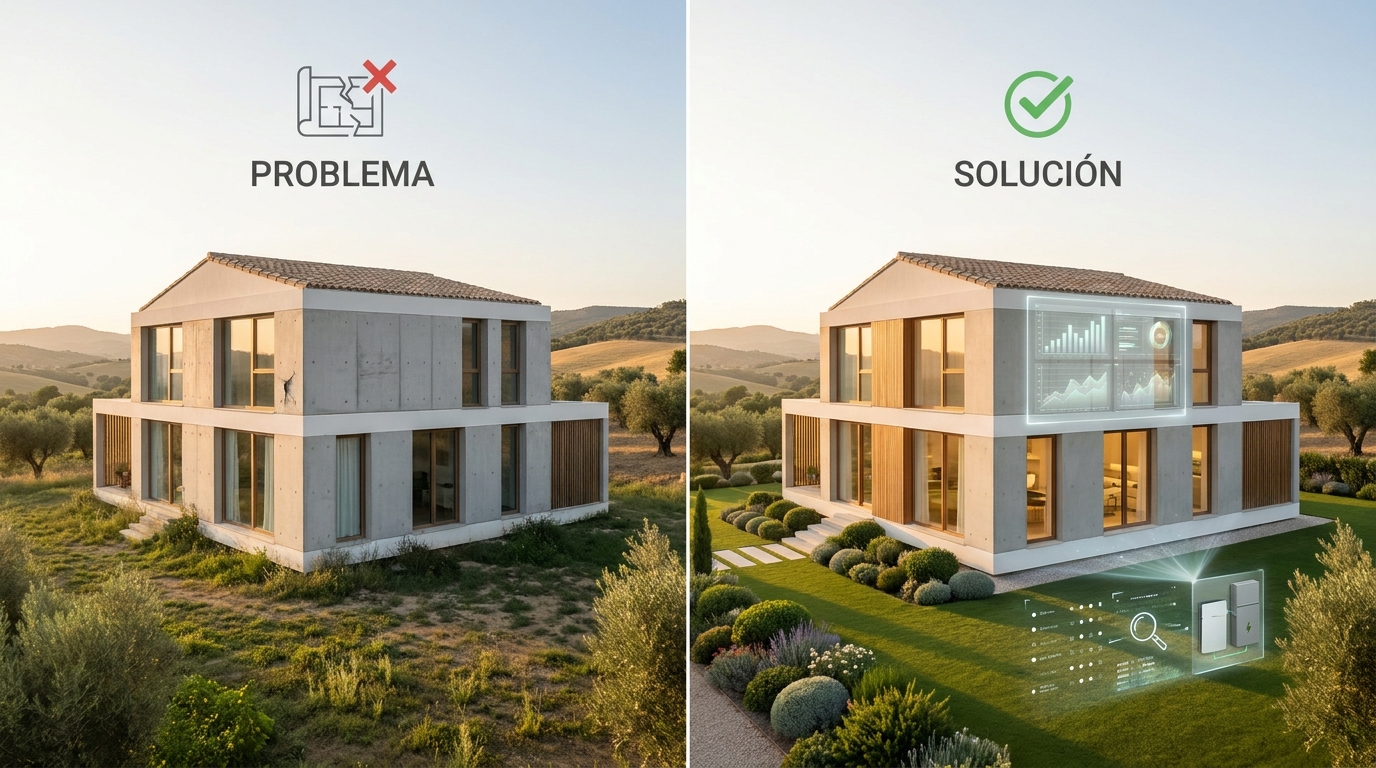
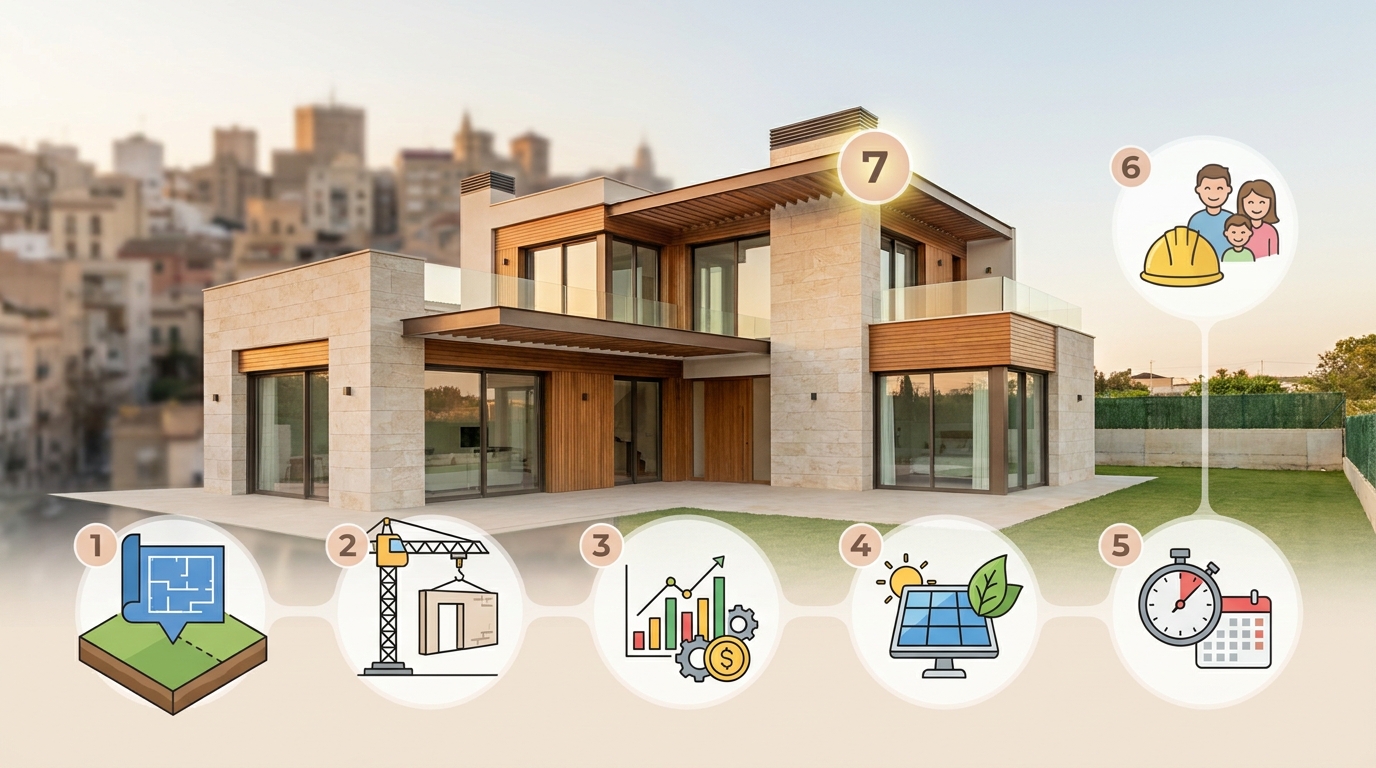
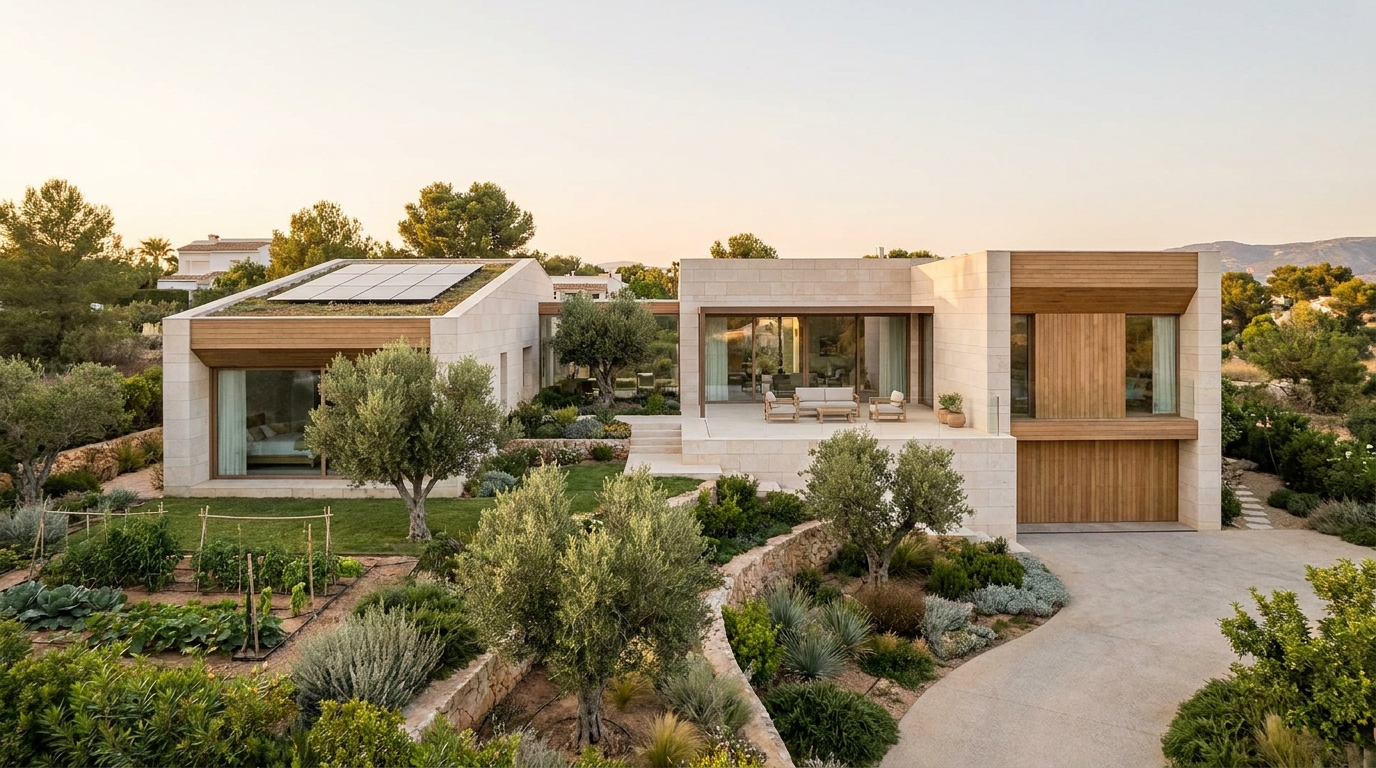
Modular housing offers predictable costs, faster delivery and modern materials that cut energy use and carbon. This guide gives six practical reasons—backed by metrics, a case study and a turnkey checklist—for choosing industrialized homes in Spain today.
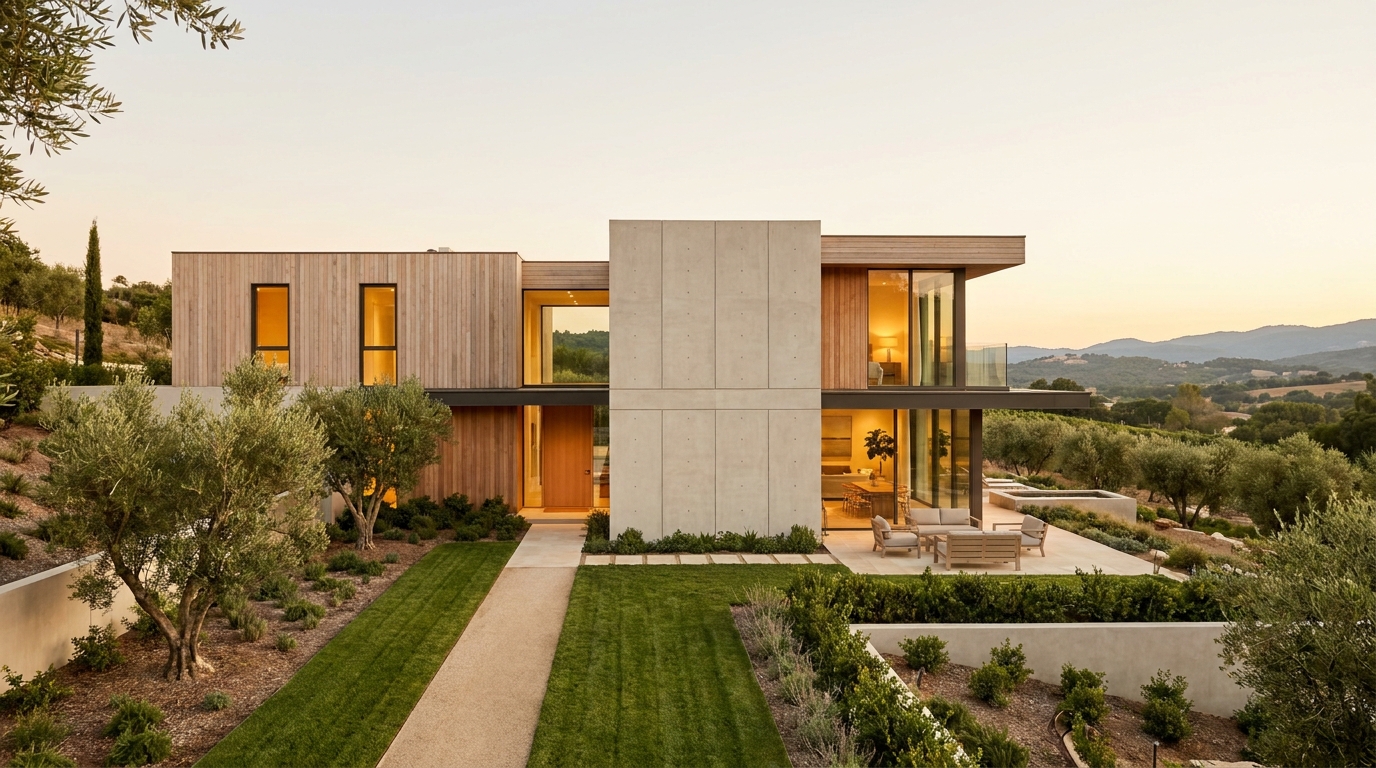
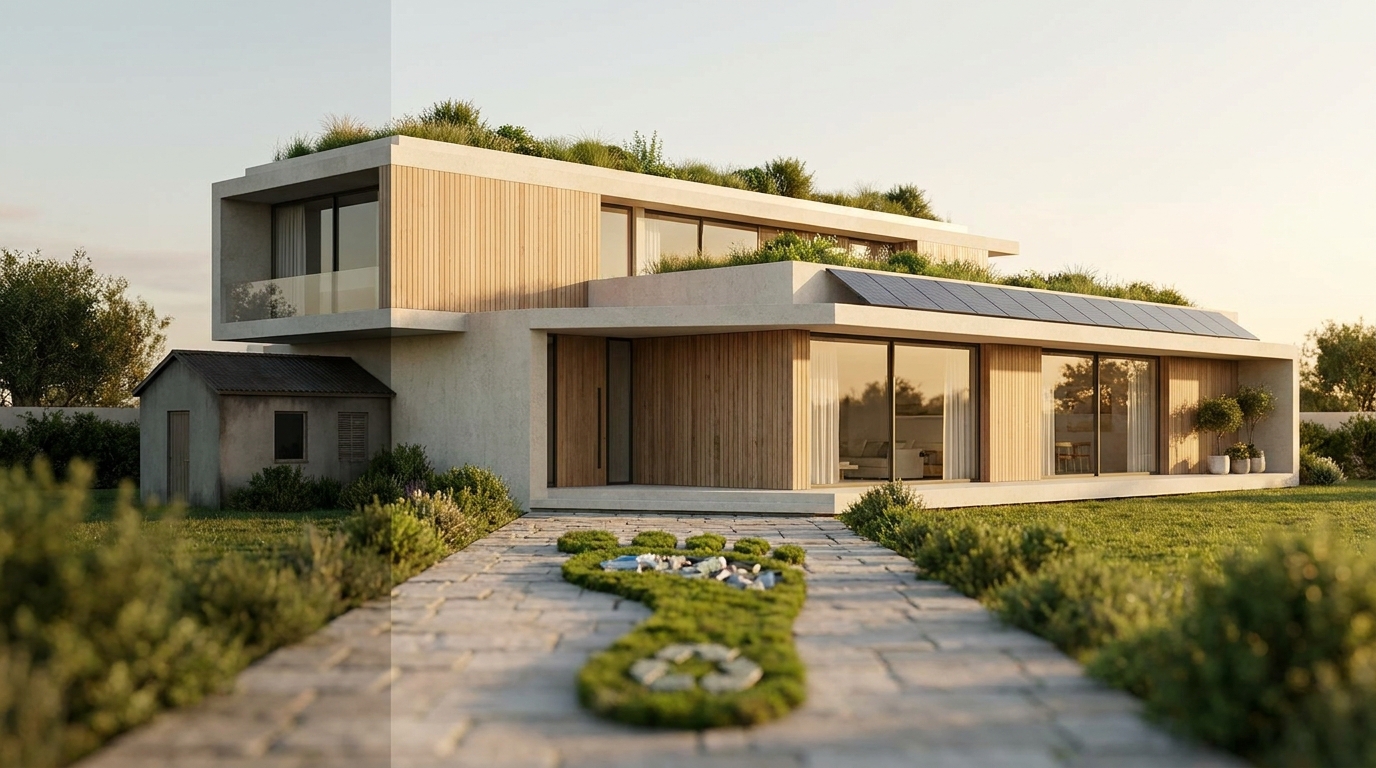
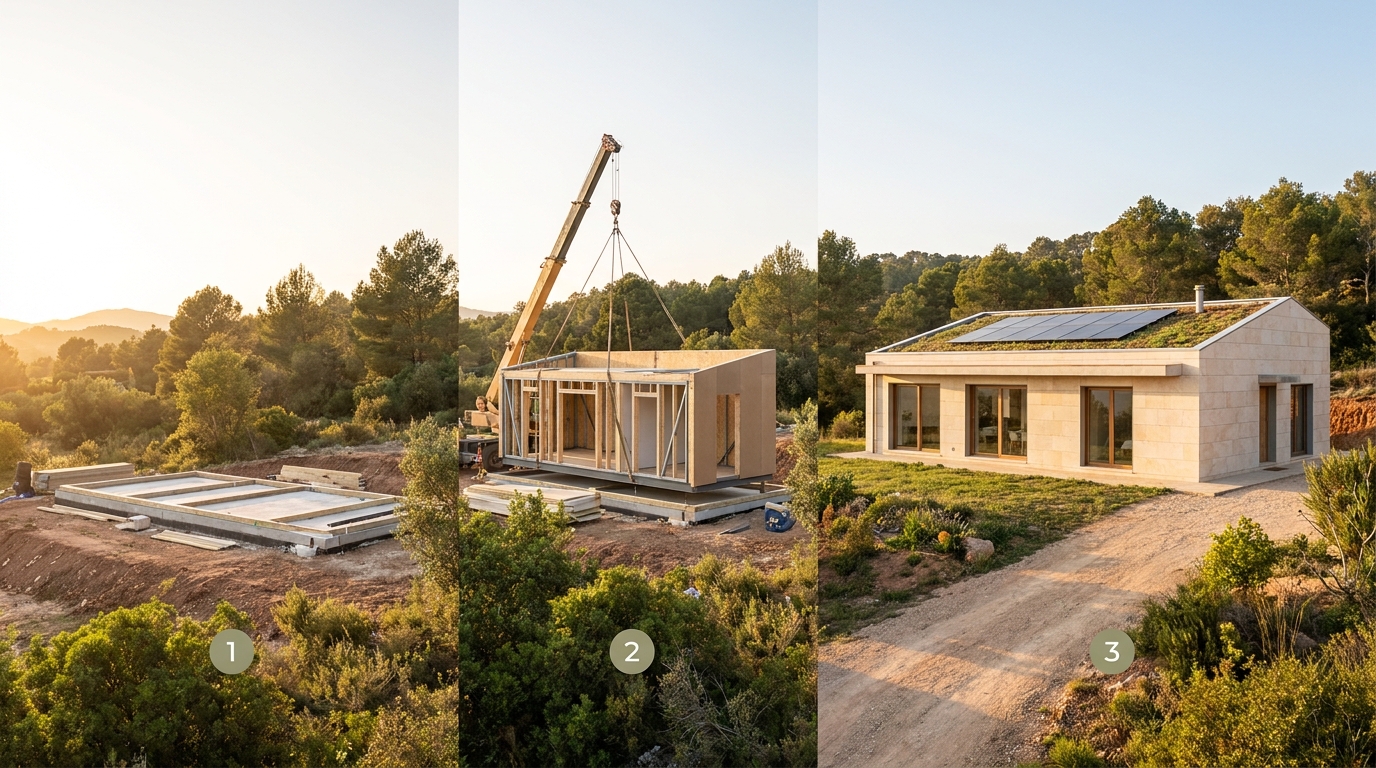
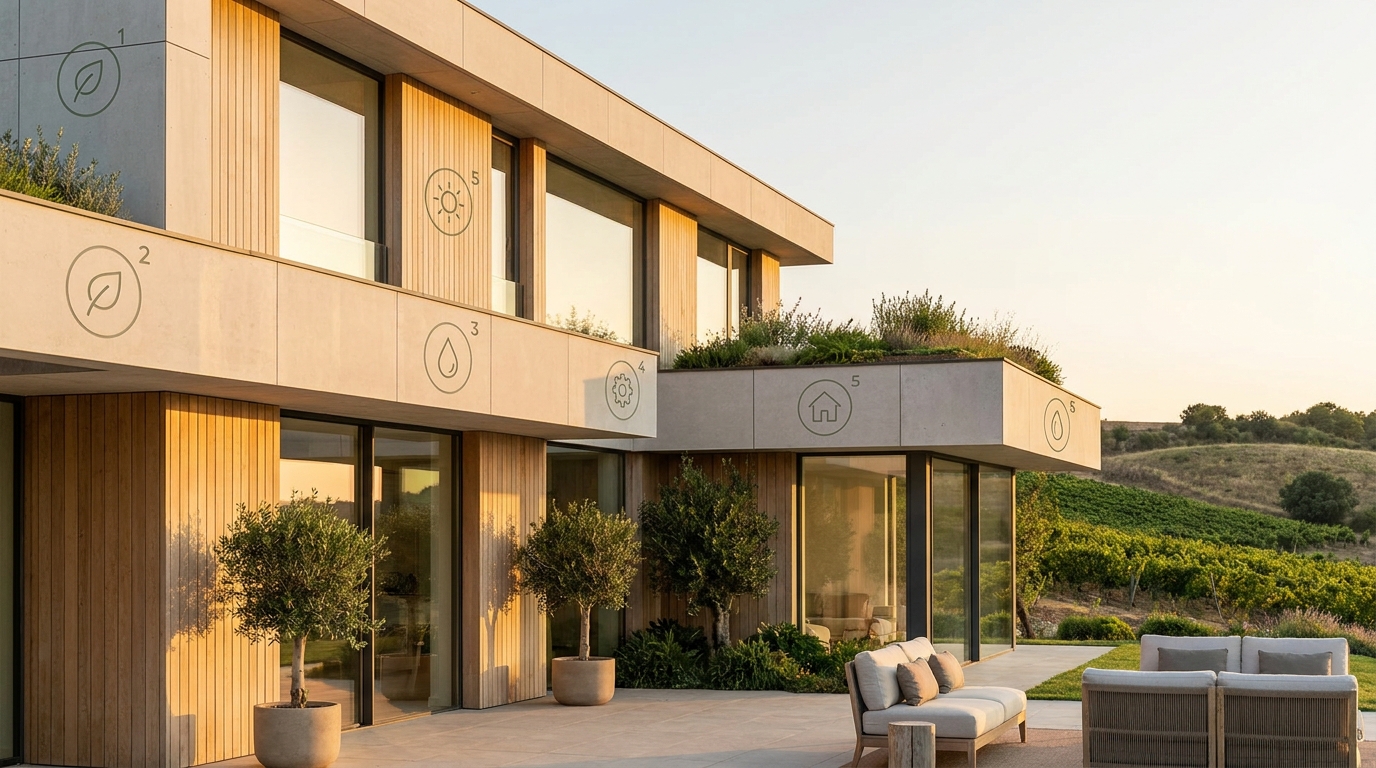
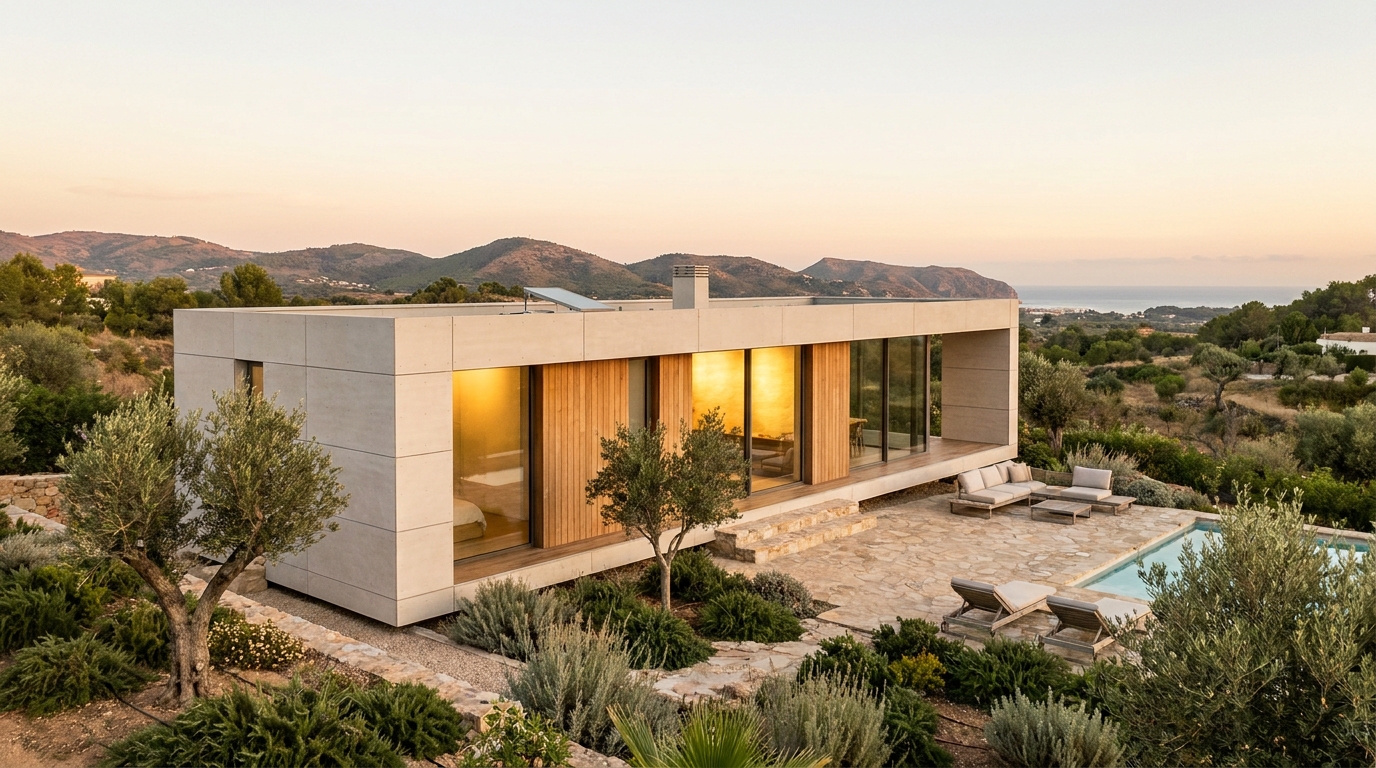


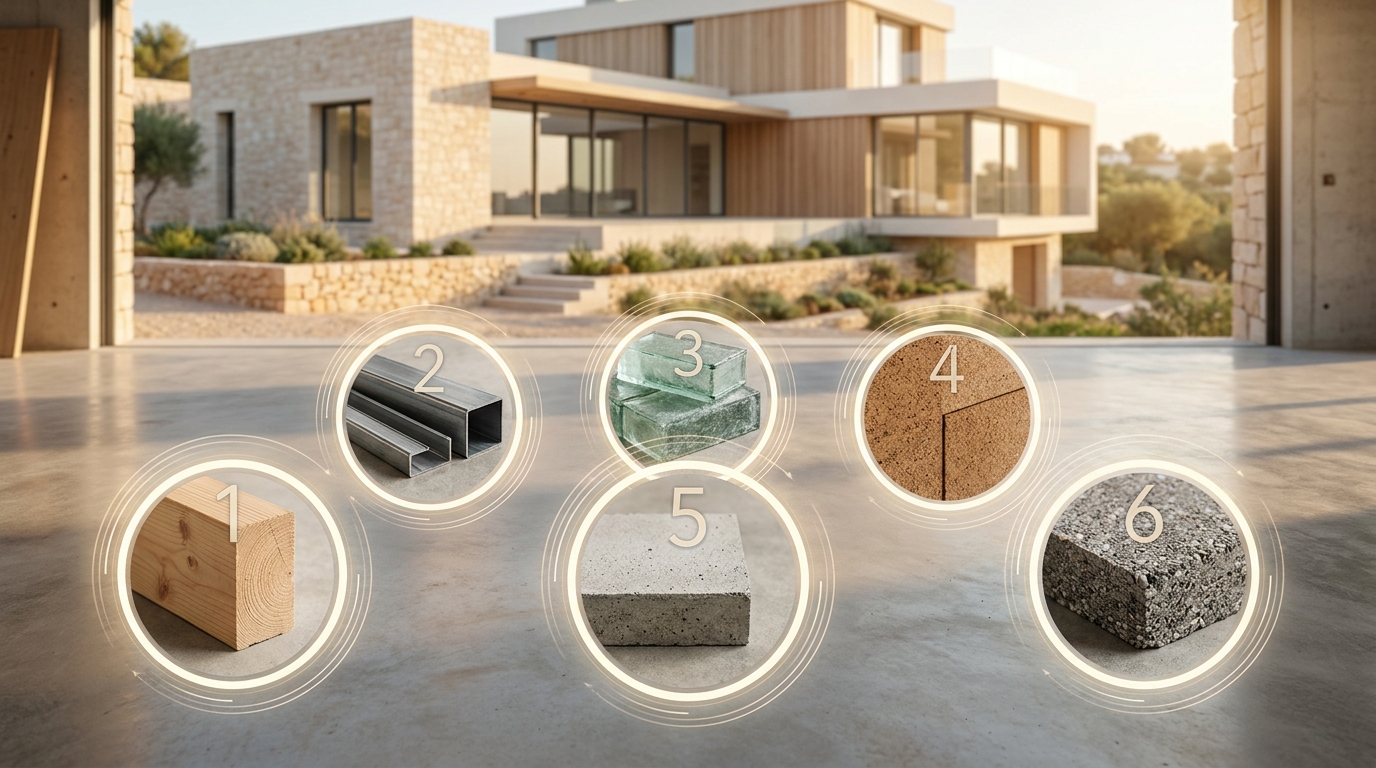
A focused guide for Spanish self-builders comparing five low-carbon materials used in industrialized housing—concrete, timber frame, steel frame, SIPs and bio-based composites—with real metrics, finance and turnkey considerations.